

Searching for Indo-Arabic food in East Ham
Saira Banu reviews NavaRuchi and the new-wave of Arab-inspired Malayalee food in east London. Photographs by Dashti Jahfar.

Good morning and welcome back to Vittles Restaurants. Today’s review by Saira Banu is about the new Indo-Arabic restaurants of East Ham.
But first, we’re delighted to announce that this week we won Best Food Magazine at the Guild of Food Writers Awards for the two print magazines that we released in 2025! In addition, Nick Bramham won Best Cookery Writer at both the Guilds and the Fortnum and Mason Awards, while Yemisi Aribisala won Best Food Writer at Fortnum’s, in part for her brilliant essay on Nigerian cookbooks we published as part of our cookbook season.
In the six years since we started, writers for Vittles have won ten major food writing awards while competing with some of the biggest and well-funded publications in the UK. There is no big secret to our model: we try to give writers the time and resources to produce the work they love, and make sure all contributors are paid fairly and on time. To do this, we rely entirely on direct support from our readers through subscriptions to the newsletter, or sales of our print projects.
If you have enjoyed the writing on Vittles at any point during the last six years, then please consider supporting us below, which allows us to continue publishing work that is meaningful to us, and hopefully to you too.
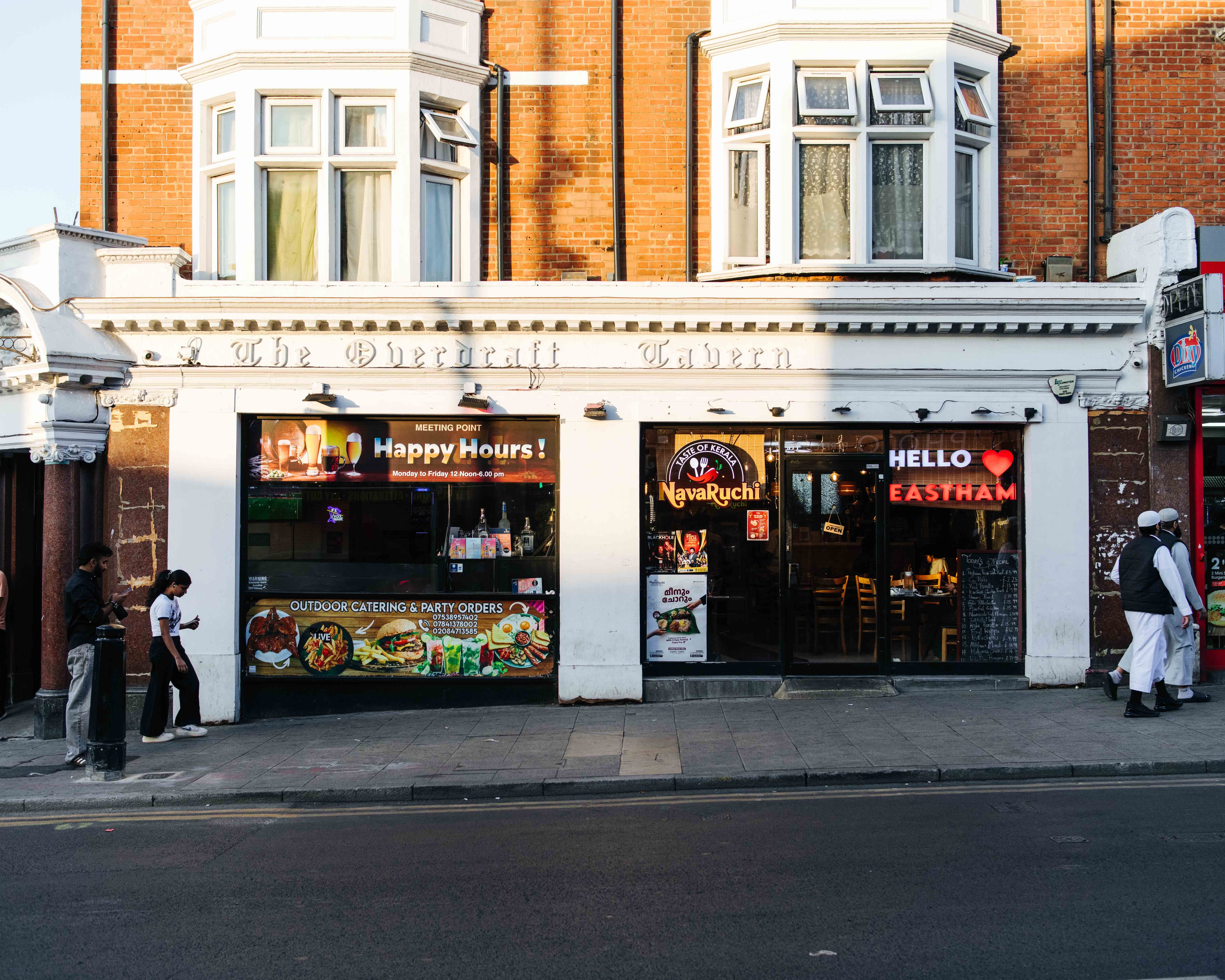
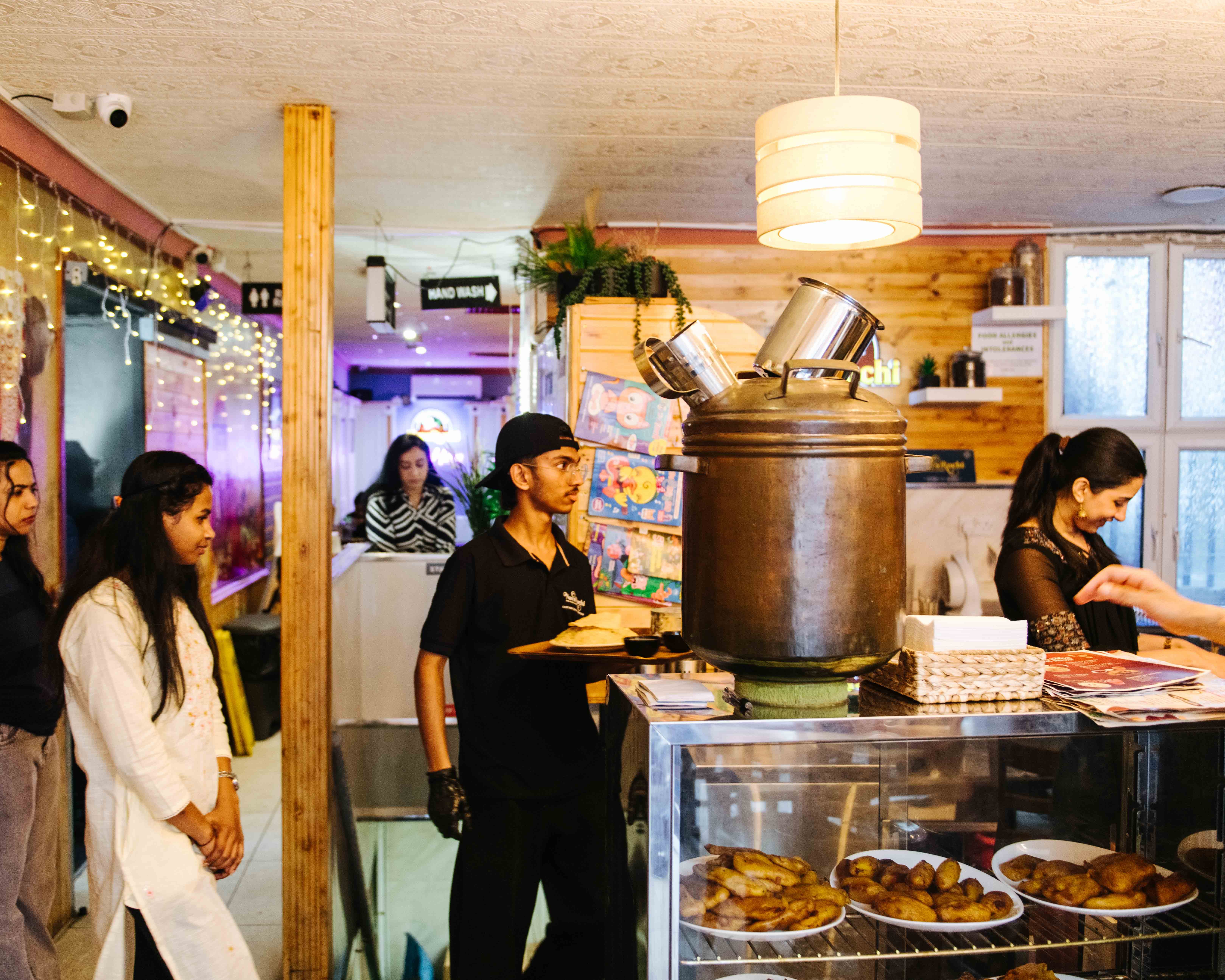
I’ve spent only a little time scoping out East Ham’s high street on Citymapper, but a lot of time watching Malayalee food bloggers signpost the most ‘juicy’, ‘authentic’ and ‘worth it’ restaurants on YouTube and Instagram. The street is shared equally by London’s South Indian diaspora and a sprawling network of Romanian barbers and bakeries. Three of the most recent openings to pique the interest of those bloggers and me are Sulaimani, NavaRuchi and Malabar Hut. All of these have stated that they serve ‘Indo-Arabic’ food – either on the signboards in their restaurants or online. The openings have piqued my interest, as the Arabic tag has become the ultimate stamp of Malayalee luxury.
For the last five decades, migration to Persia (Iran), then the Gulf (UAE, Saudi Arabia, Kuwait, Qatar, Bahrain, Oman) has reshaped Kerala’s economy and the palates of its communities. To move to these places is to enter a crucible of labour, cultural and religious capital, pride and, of course, tax-free wealth. You see this influence shape cities and towns in Kerala, with juice shops and bakeries selling Sharjah and Saudi shakes – banana milkshakes made of imported nuts and dates that glamorise (and sometimes weaponise) the immigrants’ bounty. When someone returns to Kerala, these premium imports, packaged tightly in bubble wrap, are distributed among friends and relatives as evidence of the proximity to Arabness and the wealth these lands hold.
In Anwar Rasheed’s 2012 film Ustad Hotel, the beloved patriarch, nicknamed Kareem Ikka, holds up a sulaimani – cardamom and lemon-infused black tea born from centuries of Arab-Malabar trade – as an essential symbol of rest and respite. He says, ‘Oro sulaimaniyilum orithiri mohabbath venam... athu kudichu kazhiyumbo lokam motham angane pathiye ninnu pokanam.’ (‘In every sulaimani, there should be a little bit of love… so that when you drink it, the world slows down for a moment.’) As a Malayalee who was born and raised in Sharjah, I see the Arabisation of our food as an attempt by the migrant workers to romanticise their struggle, as Kareem Ikka does. And why shouldn’t they? When 18-hour work days that fuel multiple generations across continents are the norm, there is no time to curate your own cultural capital. You borrow from Arab culture for its supposed superiority, but in the case of Kerala cuisine, you borrow so well that you forget mandi wasn’t always Malayalee, or that a Sharjah shake was actually created in Calicut and not Al Khan.
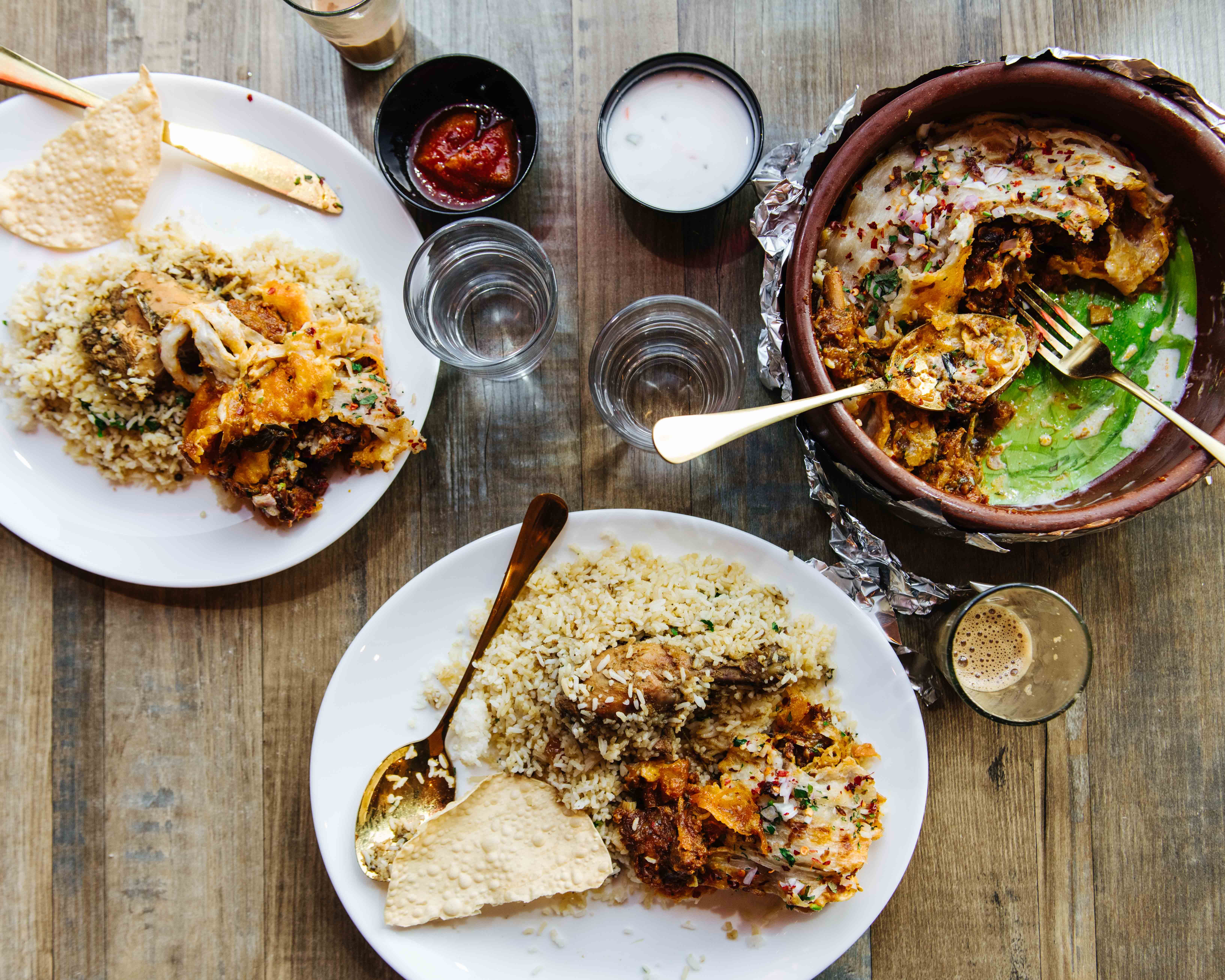
Last month, I went to East Ham wanting a whistlestop tour of Sulaimani, Navaruchi and Malabar Hut to look for the Malayali-style Indio-Arabic meals I grew up eating.