

‘All poor people have is food to get by’
How the US bombings of Iran and the subsequent war have precipitated a cooking gas and energy crisis in India. Words and photographs by Vijayta Lalwani.

Good morning, and welcome to Vittles! Today Vijayta Lalwani writes about how the closure of the Strait of Hormuz has caused a massive shortage of cooking gas, impacting the livelihoods and health of working Indians.
If you haven’t picked one up already, we still have copies left of our second print issue, on the theme of Bad Food. You can read other pieces from the Bad Food Extended Universe here, but we highly recommend buying a copy.

Another quick thing: our friends at The North-Eastern have launched an important and beautiful magazine that is publishing art, reportage and analysis – a continuation of the decades-old tradition of Eelam Tamil transnational activism. ‘Ours is a magazine committed to the principle of Tamil self-determination, not as a closed or parochial idea, but as a universal right,’ write the magazine’s editors. Read more on their website, and subscribe to The North-Eastern here.
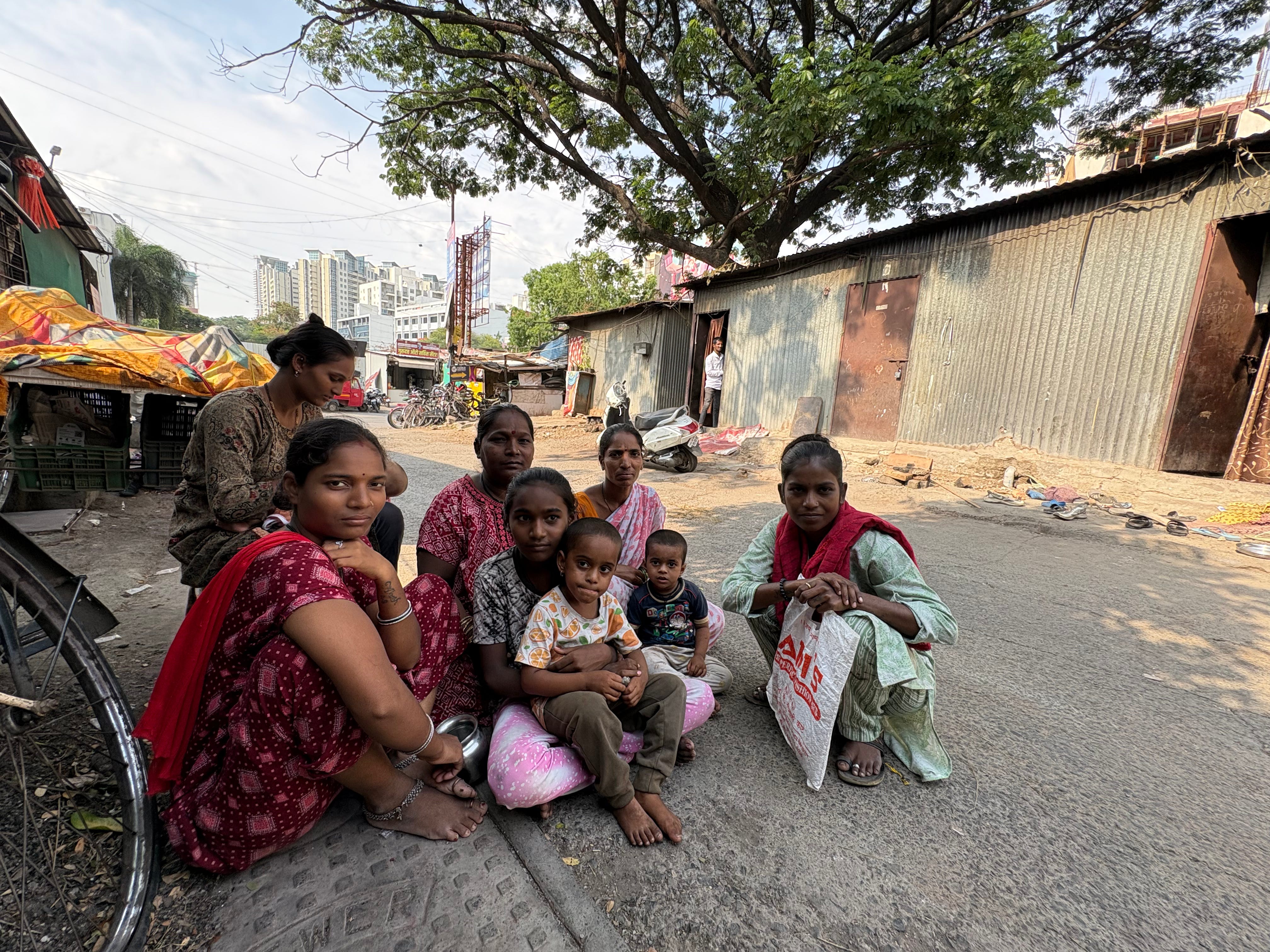
‘I get tears in my eyes while cooking,’ Anita Salunkhe tells me. It’s a May afternoon in Malwadi, a neighbourhood dotted with makeshift homes and auto-repair shops in Pune, Western India. Salunkhe and her family live in a one-room tin-walled structure in a small, informal settlement that is mostly populated by migrant construction workers.
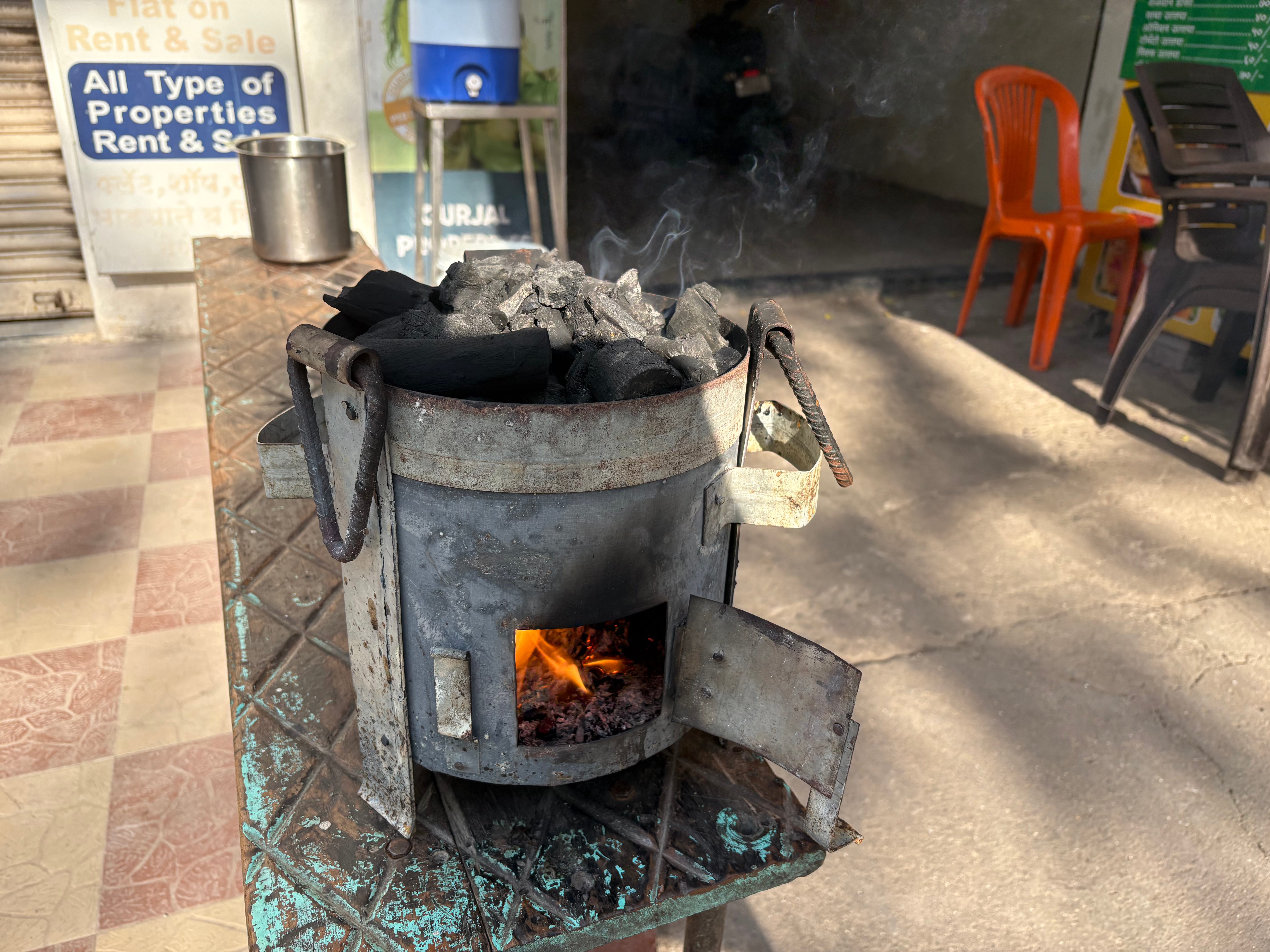
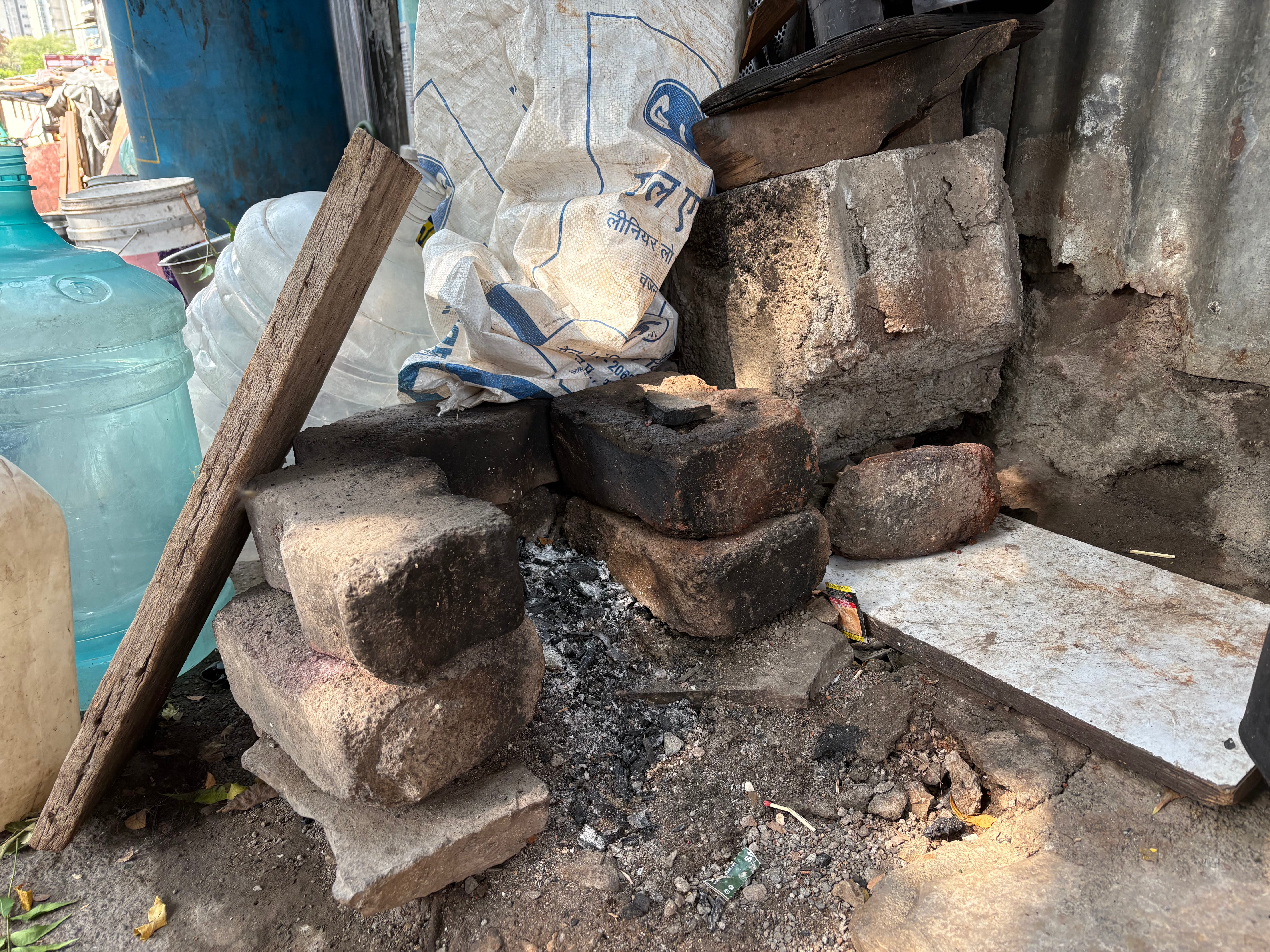
When we meet, she is sitting under a tree, having just cooked for her family. The sun blazes above us. To cook, Salunkhe uses a chulha – a traditional firewood stove – which is situated outside her home. Such stoves are viewed nostalgically by the elite classes, for whom they recall a more traditional form of cooking, but the reality of relying on a chulha (as many Indian working-class migrants like Salunkhe do) is far from romantic. Salunkhe cannot cook indoors because the smoke builds up incessantly, choking her. Daytime temperatures soar above a blistering 40°C, so she tries to cook early in the morning or evening. She tells me that all her neighbours are in the same predicament. I counted at least nine other homes in the settlement with a chulha outside their entrance.
Until two months ago, Salunkhe cooked inside her house on a gas stove, using a liquified petroleum gas (LPG) cylinder. Salunkhe, like most of the urban working classes, does not have adequate paperwork to secure a gas connection (migrant workers usually have gas connections registered in their native village), so she would purchase the cylinders through the black market at inflated costs. But all this changed when the Strait of Hormuz closed after the US and Israeli strikes on Iran began in February; since then, energy supplies in India have been hugely disrupted. Around 60% of India’s LPG is imported – and almost 90% of that travels through the Strait. Even though India and Iran have long been strategic allies, the Indian government has neither condemned the US and Israeli bombings on Iran nor adopted a clear stance during the war.
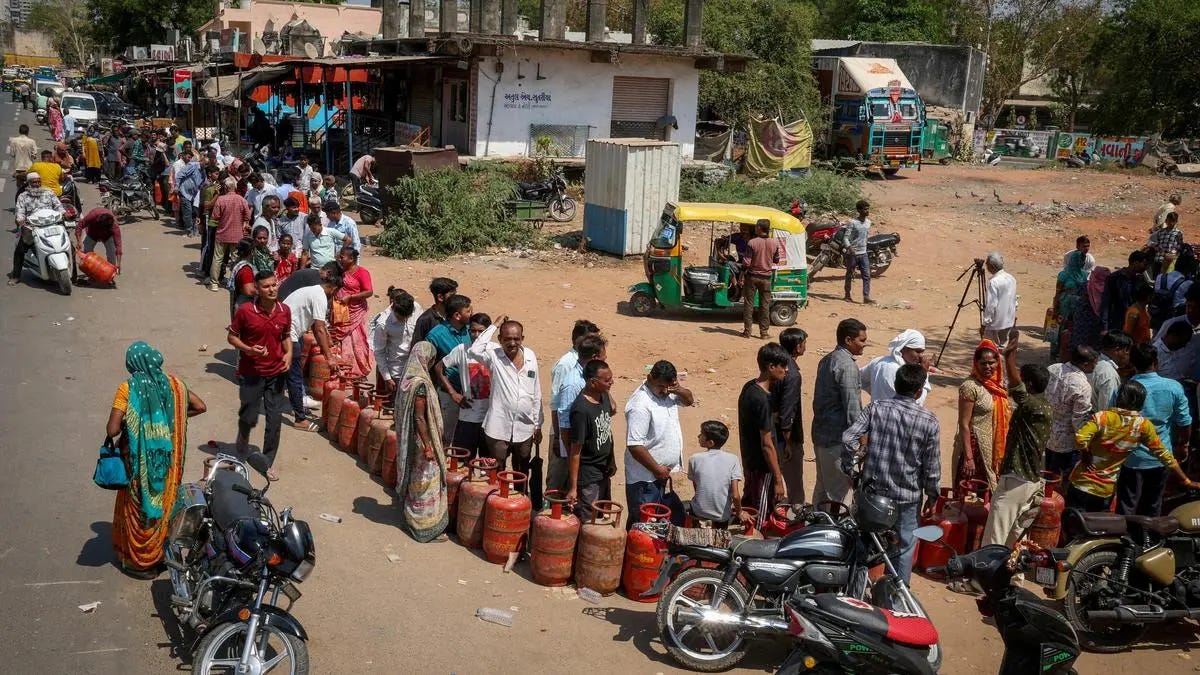
In India, there are over 300 million registered users of LPG gas cylinders, which form the primary infrastructure for home and commercial cooking. Since March, the official price of domestic 14kg LPG cylinders – cylinders sold by sanctioned state-owned and private agencies to households and businesses with registered connections – has increased from Rs 850 to roughly Rs 950. But for families like Salunkhe’s, who purchase cylinders through informal markets, these escalations can be much higher. Salunkhe used to purchase one cylinder a month for Rs 1,200 – already substantially higher than the official price. Now the cost has skyrocketed to nearly Rs 4,000, which is completely unaffordable for her family (Salunkhe’s husband, a daily wage worker in a construction site, earns Rs 300 per day – if he is able to find work. The day we met, he returned empty-handed.) Their daughter usually eats at the nearby public school, which guarantees a midday meal for children, but it is closed for vacations. ‘We are eating much less now and my daughter keeps crying for food. If she is hungry, I give her some biscuits and tell her to be quiet,’ Salunkhe says.
In the immediate aftermath of the Strait of Hormuz’s closure, there was a surge in demand for cylinders, as well as supply-chain bottlenecks and a delay in deliveries. Visuals showed hundreds of Indians lining up through the day, with many waiting for hours outside gas agencies across the country. Railway stations and bus depots were crowded, as scores of migrant workers returned to their native homes after running out of gas and savings.
Even today, months after the crisis began, these effects persist. Affluent households remain unaffected and the middle classes find a solution, so the impact is felt most acutely by those working in informal sectors – nearly 90% of the population in India – who may not have registered gas connections. Last month, I discussed the LPG crisis with single working mothers, street vendors and small-eatery owners across India, all of whom are barely scraping by.
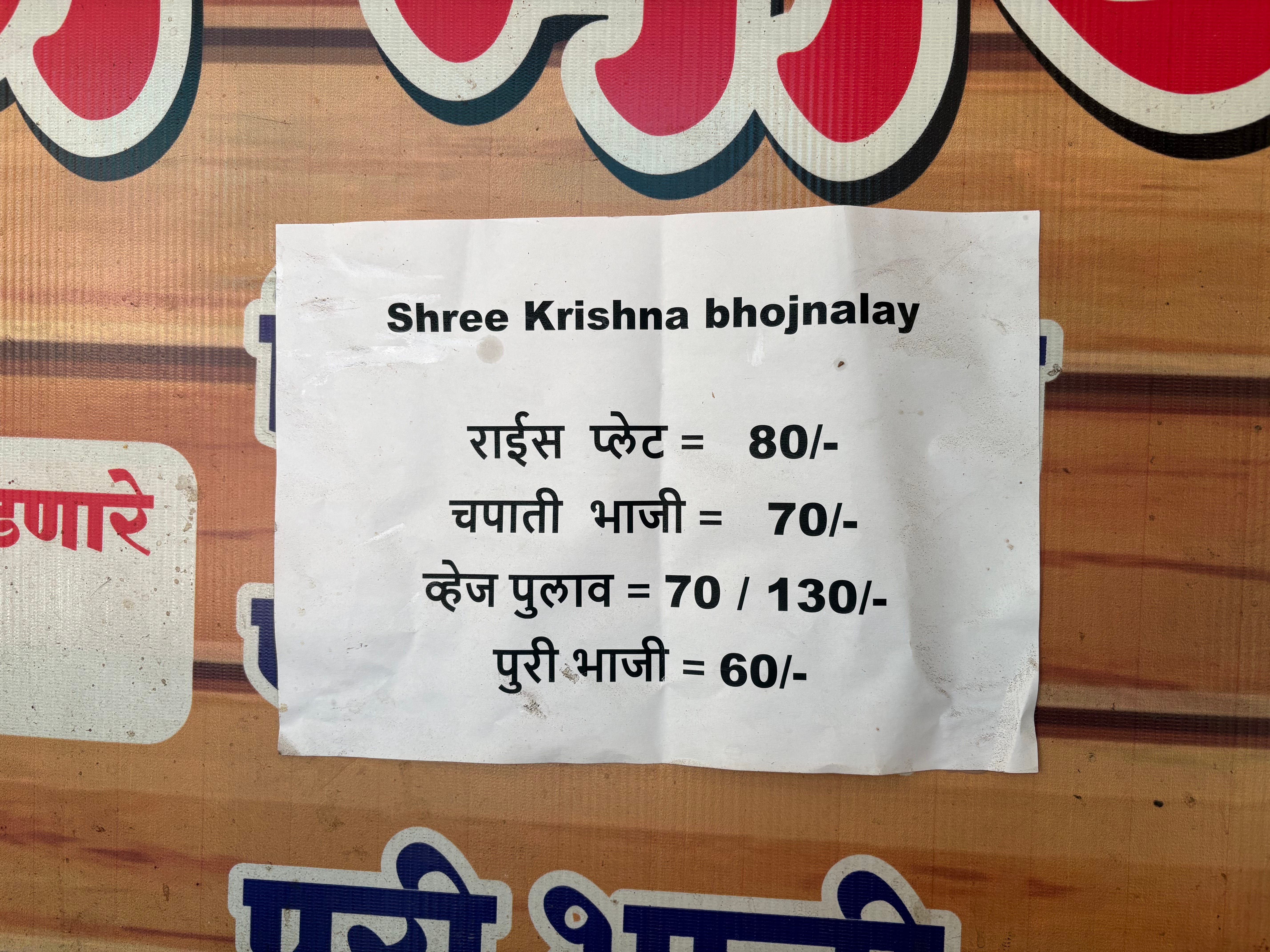
In Hadapsar, a neighbourhood filled with food-establishments, I stumbled across Shree Krishna Bhojnalay, a small, affordable eatery. While most of the other places had at least a few customers, Shree Krishna Bhojnalay was completely empty. A middle-aged man who had been taking a nap on a chair identified himself as the owner (he refused to give me his name). ‘We are not open. I am packing up and shutting this place down,’ he told me.
He had been running the eatery in the rented space for over a year, cooking everything himself. He was able to sustain it before the war began, but once the shortages hit, the gas-supply agency told him they did not have any cylinders to sell. In March, the Indian government redirected fuel supply away from businesses and industries to households which rely extensively on LPG (despite having previously reassured businesses that there would be no disruption for seventy days). As a result, the supply for commercial customers became erratic across India. In Bangalore, for example, the Hotels Association in Bangalore released a pleading notice, stating that ‘sudden stoppage of supply is a big blow to the hotel industry’.
The owner of Shree Krishna Bhojnalay was forced to turn to the informal market for his LPG, but the prices (at least Rs 3,500 for a 14kg cylinder, and in some places up to Rs 5,000) were totally unaffordable. He cut his menu offering down to only two items – a rice plate for Rs 80 (consisting of rice and sabzi or dal) and chapati bhaji for Rs 70 – so that he wouldn’t have to increase prices. He also told me that he tried cooking on a chulha, ‘but there was too much smoke and it drove my customers away’.
Shalini Sinha, the Asia strategic lead at Women in Informal Employment: Globalizing and Organizing (WIEGO), told me that ‘The LPG crisis is not an isolated crisis but the result of multiple overlapping crises: rising living costs – including food prices – and income losses caused by extreme heat.’ Street-food vendors, the backbone of India’s urban food economy, already operate with high precarity. ‘They cope by reducing nutritious food for themselves, and their dietary intake goes down, even as working hours and physical labour increase,’ Sinha added.
Sunil Suryavanshi is a vendor selling tarri poha, samosa and kachori at a bus station in Nagpur, 740 kilometres away from Pune. ‘We had to shut shop for two weeks because we were not able to get a cylinder for a whole month,’ he told me. Now he is back open, but he has had to increase the cost of his food from Rs 30 to Rs 40 per plate. He is using a chulha to cook, which turns his utensils black. Sangeeta Singh, who heads up the street food programme for the National Association of Street Vendors of India (NASVI), told me that laws on pollution mean street vendors often have to pay a bribe to municipal authorities when using coal or firewood. ‘There is a lot of harassment and eviction they are facing,’ Singh noted. And although ‘NASVI have tried [throughout the crisis] to provide induction stoves to vendors … but electricity agencies ask for a lot of paperwork, which many vendors do not have.’
Despite the government’s move to prioritise domestic gas supply, in many urban areas the interval between cylinder deliveries has increased from twenty-one to twenty-five days. And, for many households, the cylinders have taken weeks to arrive, even though they were paid for in advance. Pinki Devi, a forty-year-old mother of three in Delhi who earns Rs 8,000 monthly as a cleaner, told me over the phone that she paid for a cylinder on 23 May – it cost Rs 913 – but it didn’t arrive until 10 June. While she waited, she managed with a chulha, cooking at 4am before heading out for work; sometimes she used her neighbour’s cylinder to cook in the evening. The simple meal she cooks every day cannot be stored for later. ‘Everything spoils in this heat and I do not have a cooler or a fridge,’ she said.
In the initial days of the conflict, fears over LPG shortages sparked extreme hoarding of induction stoves and electric cookers, which were then sold on online platforms and through vendors at inflated prices. And while many hotels and food vendors – who have regularised electricity connections and an additional budget – bought inductions as a contingency measure, they remained out of reach for most.
Rajaram Veer, a vada pav seller in Mumbai, purchased an electric stove in April for a whopping Rs 20,000 after his agency stopped supplying commercial cylinders. However, the electric stove has increased his electricity bills by 20% because it heats slowly. Vada pav is a heat-intensive dish; it requires deep-frying, and Veer must heat the oil for at least twenty minutes before he can begin frying the potato vadas. ‘The taste is not the same. The vada is naram, not kadak [soft, but not crisp],’ he said. Despite rising costs, Veer has not yet increased his prices, currently selling his vada pavs for Rs 23 apiece.
Chai vendors cannot increase their prices, as their clientele is dependent on cheap, fast beverages and snacks. Siyaram Kumar Rai, who runs a small stall in Mumbai and sells each cup of his chai for Rs 5, has been using coal for the past two months. He now cooks the tea in his home and then packs it in a thermos flask to take to his stall. ‘Many customers have stopped coming to me because I cannot prepare the tea on the spot according to their preference,’ he tells me. Pramod Wakode, the founder of Tea Coffee Association, a non-profit working with over 10,000 tea vendors across India, said his association was helping sellers access electricity so they could start using induction stoves. In addition to the fuel shortages, the price rise of milk, loose tea and sugar has led to further strain on tea vendors, he told me.
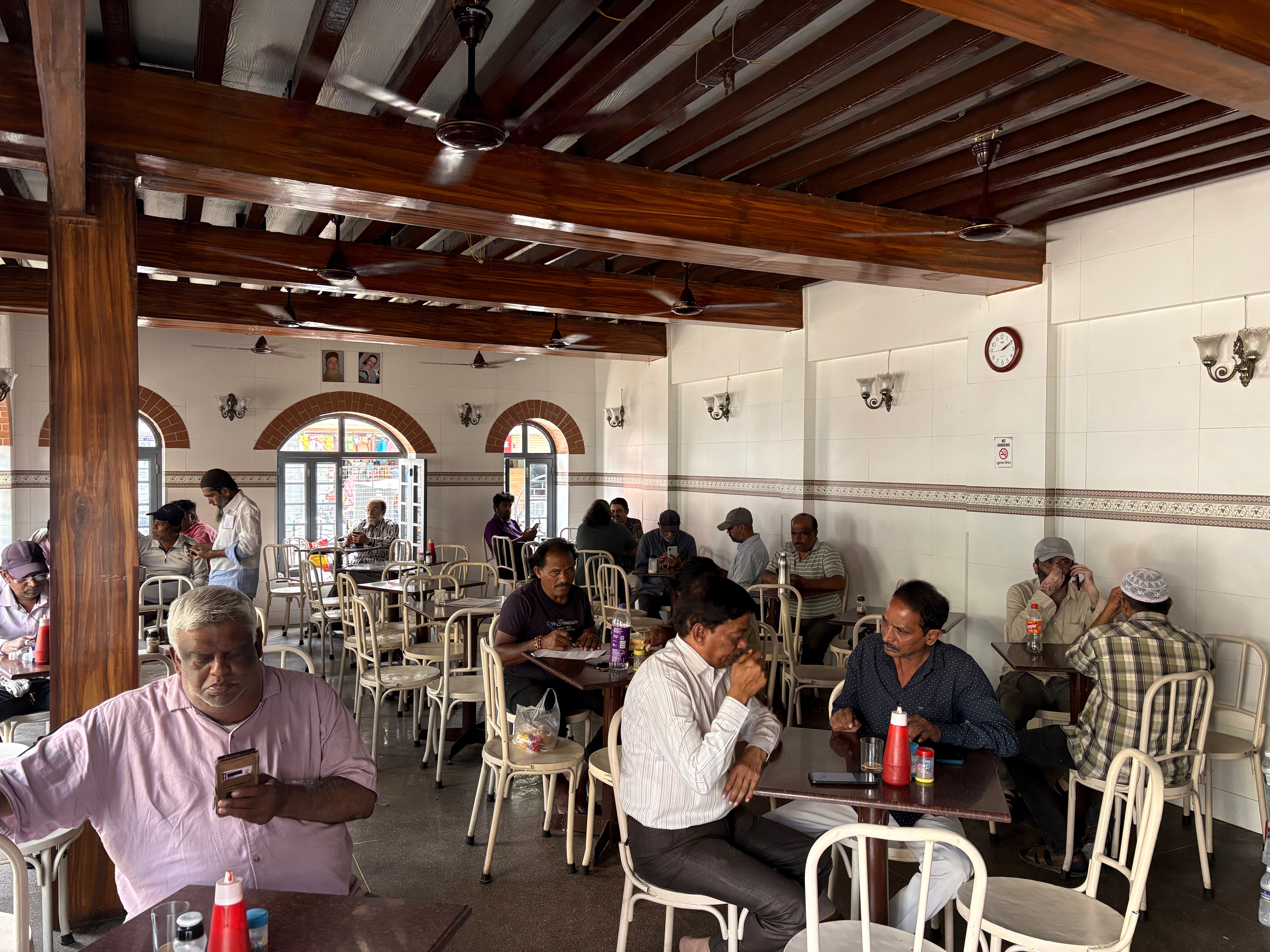
All this might seem like a miniscule increase to someone in the Global North, given that one Indian rupee is less than one per cent of the British pound. But the price surge of a staple is a massive issue in India, as it affects the consumption ability of millions of middle- and lower-income households that run on tight monthly budgets. The gas crisis has evidently driven pushed more households, vendors and restaurants to the edge.
While the country’s working classes reel from new obstacles in everyday life, the government has not taken action, instead putting the onus on already financially insecure citizens. In 2016, the central government introduced a welfare scheme, aiming to provide LPG cylinders at a subsidised rate to women from low-income households; since the war, the number of gas refills has been reduced from the initial twelve times a year to just four. In May, Prime Minister Narendra Modi appealed to Indians to adopt a host of austerity measures – such as working from home, limiting travel abroad and buying less gold – in order to limit fuel usage and balance foreign reserves. In a separate appeal, he asked Indians to cut cooking oil consumption by 10% (edible oil imports have risen over the years, and the war has driven up importation costs even further).
Much of Indian cooking relies on oil from coconut, soybean, groundnut and mustard for frying, tempering and preserving food. Many vendors I spoke to said it was not feasible to cut down or switch to cheaper alternatives, even as cooking-oil prices have increased to nearly Rs 200 per litre since the war began. ‘Customers can tell the difference in the taste, so we cannot change the oil,’ Suryavanshi, who uses at least five litres of soybean oil daily to prepare the snacks he serves at his stall, told me.
Veer also uses soybean oil. He said he would rather purchase the same ingredients at a higher cost than opt for cheaper alternatives. Street vendors build their business with deep thought and high risks, and, even though the government believes the measures they introduce are minor, Rajaram reminds me that even a moment’s error can cost him his livelihood.
For many, food is the only form of respite in the face of severe economic adversity. Roma Devi, who earns a monthly salary of Rs 10,000 as a factory worker in Delhi, continues purchasing the same brand of mustard oil and using similar quantities in her cooking for her children. ‘How can we deceive our stomach?’ she said. I asked her about the Prime Minister’s proposed austerity measures: ‘We do not have the money to buy gold,’ she told me indignantly. ‘All poor people have is food to get by.’
Editor’s note: As of two days ago, the Strait of Hormuz is due to open as per new talks, but reports say that this does not guarantee an end to these problems, or that inflation will go down.
Credits
Vijayta Lalwani is a writer and an award-winning journalist covering the impact of politics and polarisation on livelihoods.
The full Vittles masthead can be found here.
Fantastic read. Really interesting and heartbreaking at the same time.
Is there a scheme to provide a family with a cooker? Much like Oxfam has its "buy a village a X" scheme.
It seems wars impact those who have nothing to do with it on similar scales to those directly involved, often those in LEDCs. It's times like these with such shortages we realise how much we rely on the accessibility to import and export goods affordably.
Excellent reporting. These are the details that hardly ever get discussed, yet millions are truly affected. It is heartbreaking!