


Good morning and welcome back to a very special edition of acid reflux about one of London’s hospitality legends. But before we get to the main story of today’s newsletter, here is a small round-up of the fortnight in food news.
Like buses
In the last few weeks, London has suffered three significant restaurant closures, one after the other.
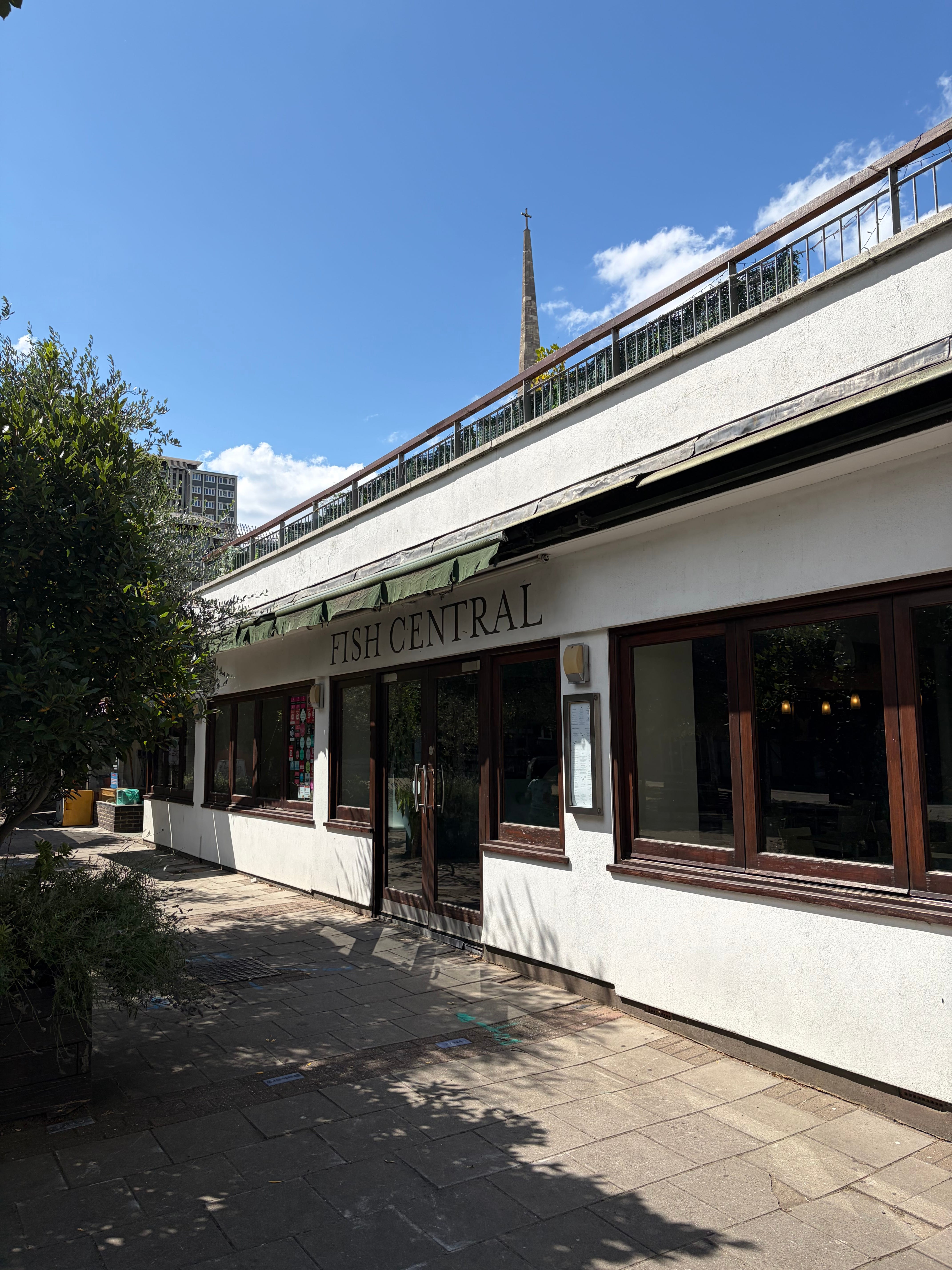
The latest is Fish Central, one of the best chippies in central London. The building that houses the restaurant is being redeveloped, but this isn’t a simple case of a landlord turfing out a beloved institution. The Hussein family, who run Fish Central, also own the building (documents show they have had the freehold since 2007) and that the choice to redevelop is theirs. According to neighbouring businesses, Fish Central will be closed for around 16-18 months while the block is modernised. Whether it will temporarily open elsewhere during the redevelopment is yet to be determined – if it doesn’t, then the number of actually decent centrally located chippies will drop perilously close to zero.
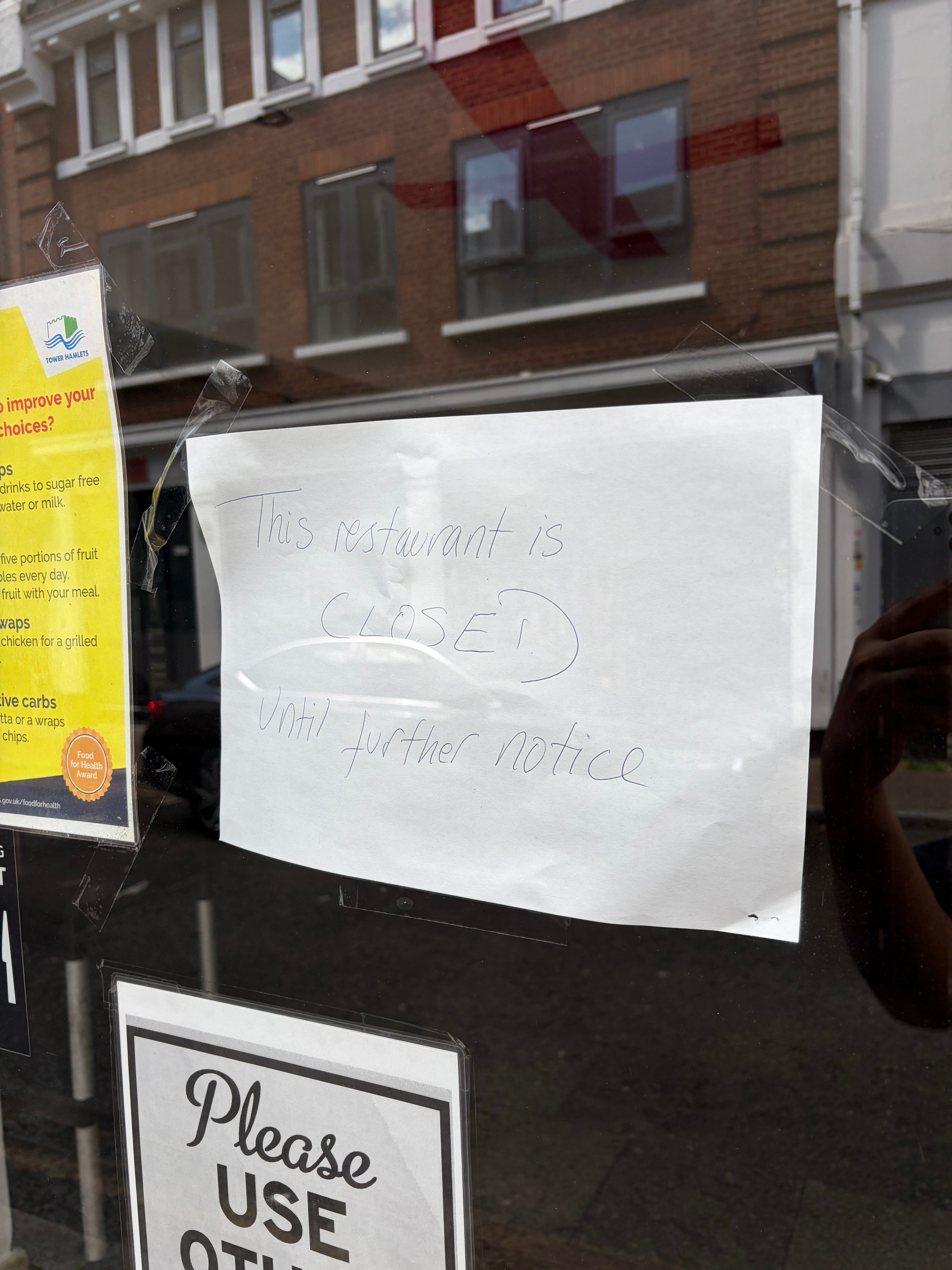
Meanwhile, Lahore Kebab House, the longstanding Pakistani grill restaurant which opened in 1972, shut last week without warning. The reason for the closure is currently unclear - I was told by a neighbour that the restaurant is renovating, however Companies House shows that Lahore has been in danger of being dissolved as a company since 2023, and this finally happened over Christmas last year. The food at Lahore had been overshadowed in recent times by the opening of Dilpasand opposite, but if it is permanently shut then this would mark the end of a half-century legacy that has genuinely changed the way the city eats (as well as the age-old argument of whether Tayyabs is better.)
Lastly, history repeats itself at the Leather Lane Lebanese Grill, first as farce and then as farce again. Early in July, the takeaway was ordered to shut for antisocial behaviour, due to the virality of its half chicken and spicy rice, and an inability to manage its customers. (Lebanese Grill has been covered multiple times in Vittles, but what you need to know is that there are many restaurants around London of the same name all selling the same chicken-based dishes, and that it has become a genuine city-wide phenomenon.) It reopened on July 15th only to burn down on July 16th. It has yet to reopen, although a new, unrelated Lebanese Grill has opened in Shepherd’s Bush. The Lord giveth, the Lord taketh…
If you have any information on any of these closures then do let us know!
Conservative tastes, part 2
In the last acid reflux, we briefly looked at the dining habits of some right wing politicians, including our former prime minister Liz Truss. Since then, we’ve had various sightings: Jacob Rees-Mogg at the new Simpsons on the Strand (the man had a nanny – where else would he be?), Liz Truss at The Devonshire (also checks out) and Liz Truss again at 45 Jermyn Street. Perhaps, as well as being our shortest lived premier, we didn’t appreciate at the time that Truss was also our first foodie prime minister. I admire that she is using her post-premiership time to catch up on the Vittles 99 – Liz if you are reading this, please come on the podcast!
Pitching opportunities
One of the best things that came out of the Food in Print fair earlier this year was meeting dozens of magazine makers we admire, as well as learning about new publications. There is a whole world of food writing – each with its own niche – that exists outside of legacy media, as well as opportunities for writers to find homes for their ideas. Here are two magazines with open pitches right now:
Guts
Jake Mike Boy of Guts has announced Issue 2 with a bang, introducing a new revenue system that will give writers a chance to take a percentage of Guts’ profits on their work. Pitches are open until August 15th, with a very (although not exclusively) offal-heavy remit.
Phaneromenis 70
The Cypriot non-profit Phaneromenis 70 is putting together a special edition on the subject of Cypriot food, in collaboration with writer Loukia Constantinou (who wrote last week’s review of Zylia). Pitches are open until September 16th.
If you are a food magazine taking on pitches, then please let us know!
Most questionable AI use of the month
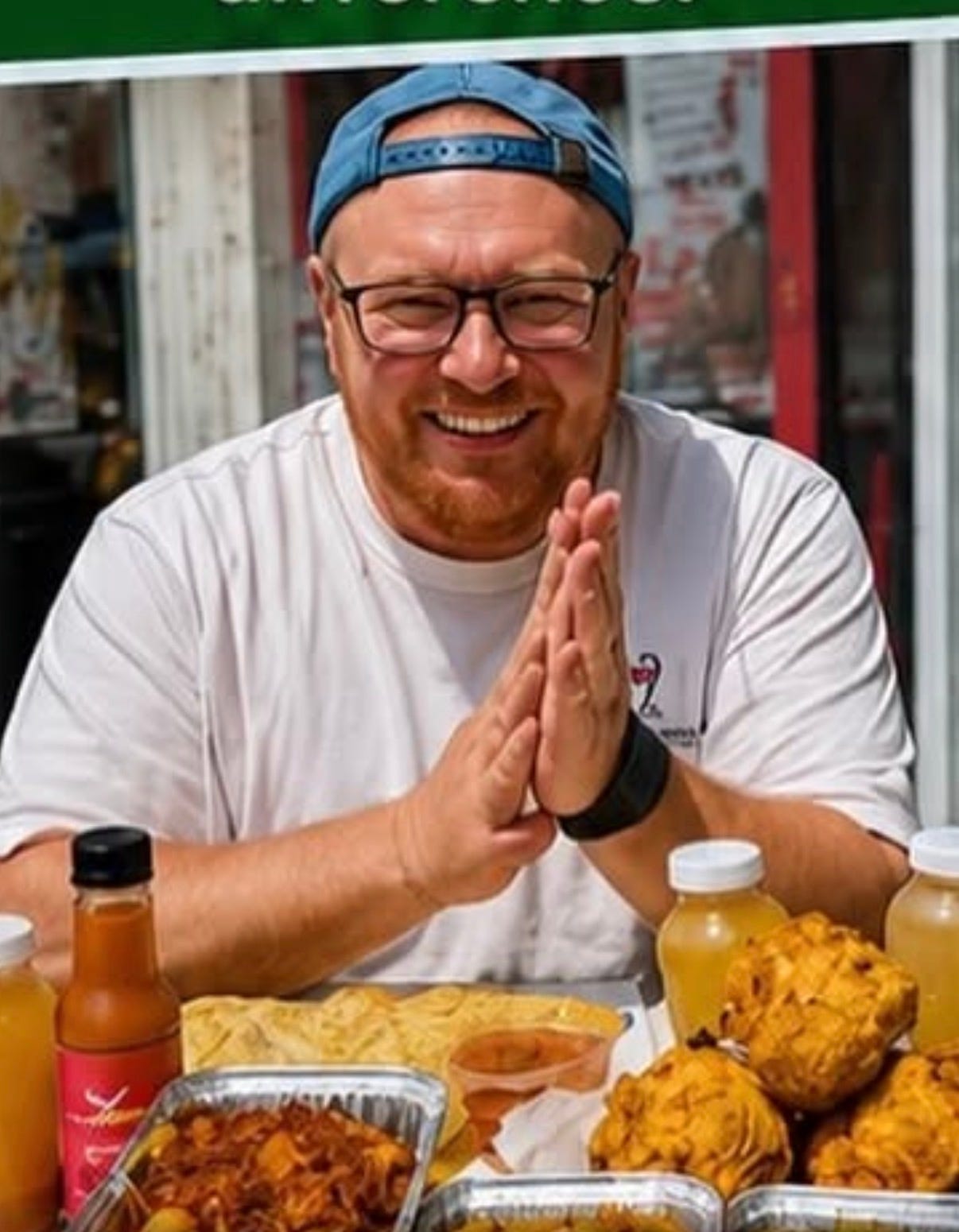
The petition to remove the telecommunication boxes from outside Guyanese takeaway Umana Yana is a noble cause, and I urge you to go try Debbie’s rotis for yourself if you’re in Herne Hill. But there was something off about its recent post, something I couldn’t quite put my finger on…

Vittles LetterBoxd
The mercurial Tunde Wey has returned to food media, with his six-part documentary Hard To Swallow, made with filmmaker Theo Schear, which you can now view and purchase here. I saw an early draft of episode three a few years ago, during which Tunde interviewed two of Detroit’s mayors about the city’s decline. Since then, everything has been reworked, incorporating reactions from early screenings and capturing the frustrating process of trying to get the series greenlit once the 2020/21 BLM-era enthusiasm about telling difficult stories had evaporated. It’s almost impossible to describe Hard To Swallow, which is less a food show than a meta-essay on the problems of making a food show – a kind of F for Fake for the Ugly Delicious era – but if you know Tunde’s work then you know that there is always something of the trickster god about him, and that he never plays things straight.
The Guardian has just released a six-part documentary of its own, Feed, fronted by former Evening Standard food critic Jimi Famurewa. Cleverly, the theme of the show is food trends – American sandwiches, third-culture bakeries, ramen – which allows the remit of the documentary to stay local (the bakeries episode is London, the American sandwiches one takes place in the north of England) while also describing phenomena that anyone interested in food will recognise. The series is part of the Guardian’s ongoing ‘Project Berger’, during which the paper has pivoted to other ‘ways of seeing’ (i.e. video) to compete with influencers, Substack and short-form video (it’s what Berger would have wanted). So far, Feed has been an excellent use of these resources with well-chosen restaurants – the ramen episode even features Vittles favourite G. Neko in Colchester.
Finding Madhukar
A few months ago, I received an intriguing message from writer Abinaya Nathan, which read ‘Please can you look at Taste of Lahore Harrow’s recent Google reviews.’
Taste of Lahore is a Pakistani restaurant with branches around west and north-west London – Hammersmith, Southall, Wembley, Queensway, and, indeed, Harrow – all of which have Google review scores well within the usual 4.2-4.7 standard deviation you would expect of a competently run mini chain. But browsing the wall of five-star reviews, it was easy to see what was being referred to. Almost every single review referenced one man, named Madhukar.
Madhukar provided outstanding service — very welcoming, attentive, and made sure we had everything we needed.”
I would like to give special recognition to Mr. Madhukar for his outstanding service. He was attentive, courteous, and ensured we felt truly welcomed throughout the evening.
We were met at the door by Madhukar who was the manager very friendly very high-level service kin to what I would expect in a five star hotel very impressive.!
What truly stood out during the visit was the level of care and courtesy shown by Mr. Madhukar Malhotra.
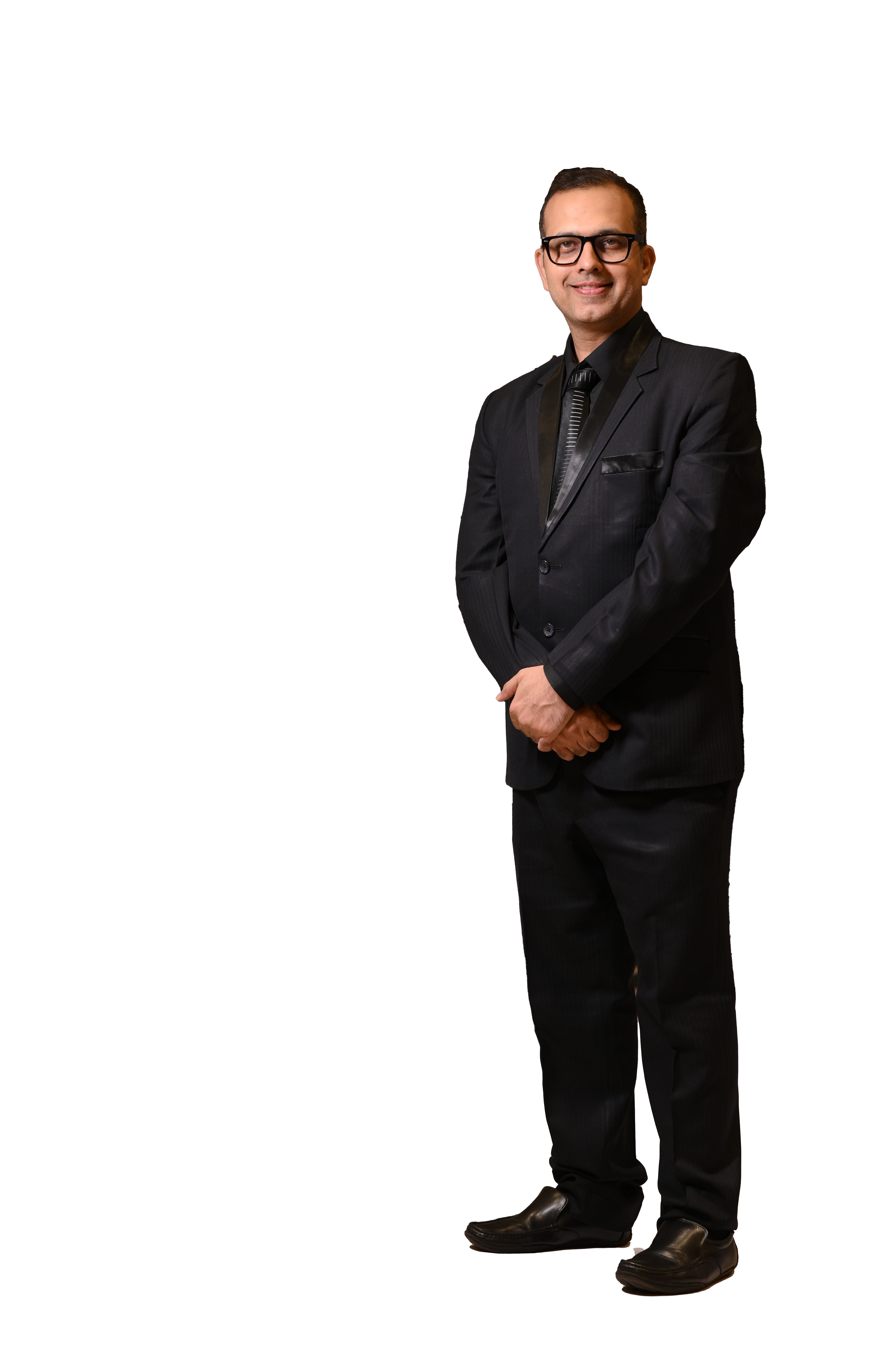
Before I knew it, I had lost an hour reading the 4,000 or so Google reviews of Taste of Lahore, trying to work out what was going on. The reviews all followed the same pattern: quick praise for the food before digressing to laud the virtues of someone named Madhukar, who was described, in escalatingly positive terms, as ‘the perfect quintessential gentleman’, ‘probably the best manager I’ve ever met in any Asian restaurant in London’ and ‘an absolute saint’. Each of these reviews would, unfailingly, be accompanied by a picture of an affable, smiling man wearing glasses and dressed smartly in either a suit or a grey blazer.


The reviews, which were less assessments of food and more glowing appraisals of the character of one man, emphasised Madhukar’s warmth, generosity and humour. ‘It’s rare to find someone who takes such personal care to ensure guests feel welcomed and valued,’ one customer wrote. ‘What a guy, i thought i was entering a comedy club,’ said another. One review simply stated ‘Madhukar’.
How magnetic could one maitre’d really be? I went through all the possible alternative explanations. My first thought was that the restaurant might be paying for reviews, telling a guy with 100 burner phones to make sure to mention ‘Madhukar’, but this couldn’t explain how there were so many different photos taken at so many different times. My next theory was that there must be some kind of new review gamification I hadn’t heard about, where customers were being told to slip ‘Madhukar’ into a write-up in exchange for a freebie. This kind of review skulduggery isn’t rare in London – I’ve been in restaurants where you’re asked to scan the QR code leading to its review page before you pay your bill, cajoling you either with the carrot (a discount) or the stick (an acute sense of embarrassment), upon which I usually start to feign a lack of knowledge of how my phone works.
If this was a new ruse, I needed to know for myself. I packed my bags and made immediate preparations to go to Harrow.
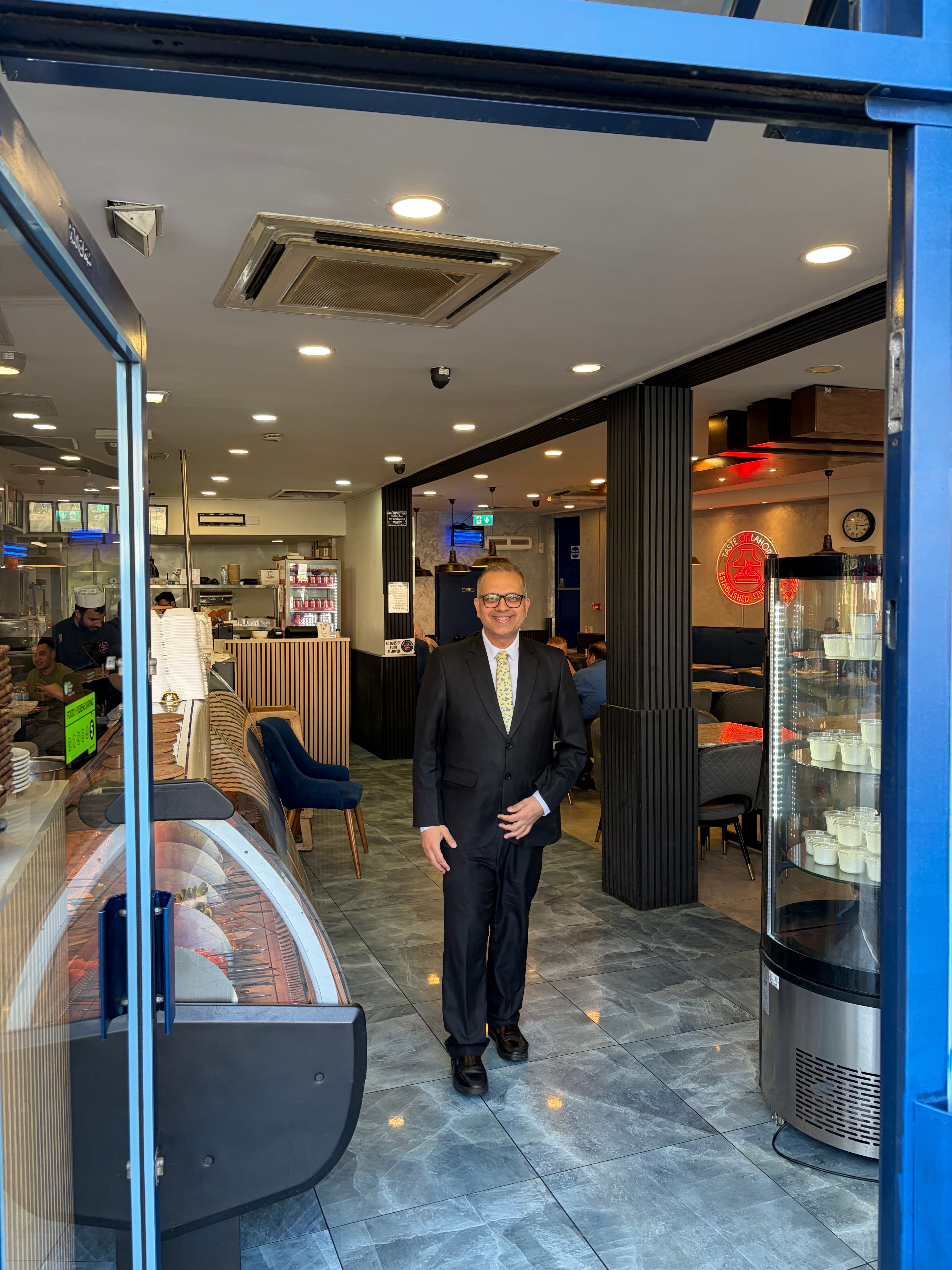
The first thing I saw when I arrived at Taste of Lahore was Madhukar (I don’t know why I expected otherwise, but by this point I had seen so much of his face on my screen that he had taken on a gloss of irreality). ‘There’s three of us,’ I said. ‘Sir, I can see that,’ he shot back without a pause, in a tone entirely free from snark. I had an uncanny feeling that he was waiting for me and knew exactly why I was there. We discussed the heat, and he moved us to a table that was slightly closer to the AC unit and slightly away from a large table of loud men. I knew then that Madhukar Malhotra was the Jeremy King of Harrow.
All evening, I went between my (excellent) seekh kebab sizzler plate and watching Madhukar work the floor. If you’ve seen those compilation videos of Declan Rice ‘scanning’ for opportunities on the pitch, it was something like that – head darting back and forth to check everyone was as comfortable as possible, welcoming each guest with a well-massaged one-liner. After the meal, I got up to pay and waited for the inevitable kicker: the request for a review, the backhander, the sweetener of a discount. It didn’t come. The simplest explanation was the correct one: people just love Madhukar.
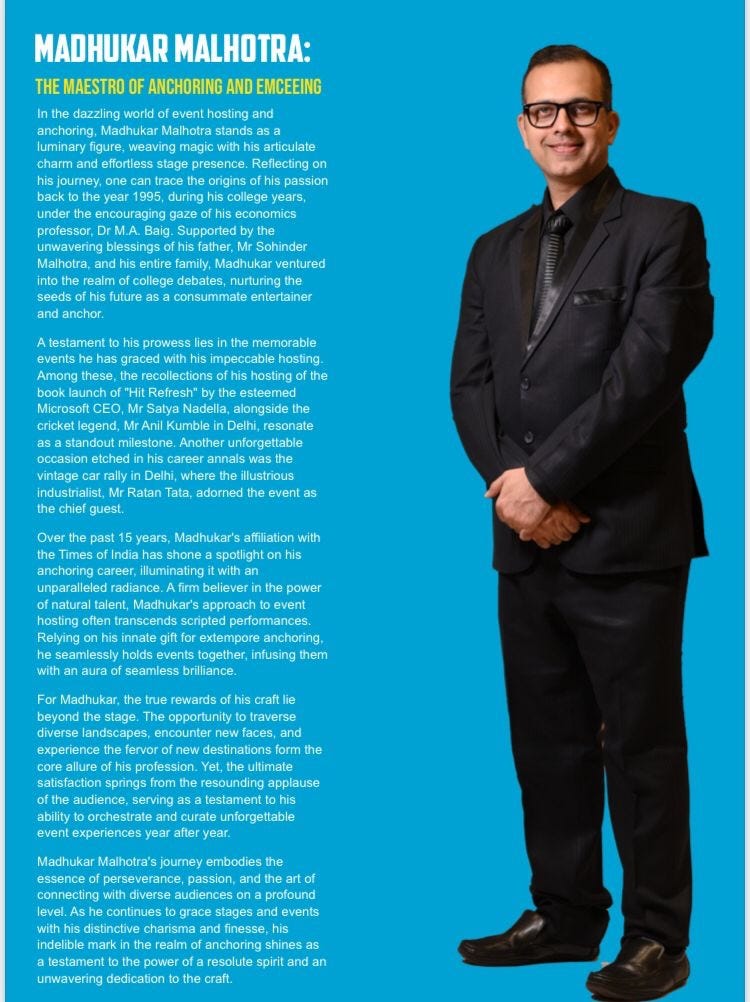
Soon after, I struck up a correspondence with Madhukar, who I can tell you, definitively, is the real deal. The reviews and photos, he explained, were an organic phenomenon, helped by Taste of Lahore ‘s Madhukar-heavy absurdist TikTok presence in which he introduces VIP tawas with couplets like ‘Diet can start tomorrow/You need to try Taste of Lahore Harrow’. One important thing to note is that Madhukar is not the owner, or the manager, or even a waiter, but an old-fashioned welcome host – a job which basically doesn’t exist anymore outside of grand central London restaurants, or Oslo Court. The welcome host role was something that Madhukar had created for himself, based on his career emceeing and anchoring events in Delhi, where he was born. When I asked him for more details, he sent the picture below:
A few weeks ago, I returned to Taste of Lahore Harrow to talk to Madhukar at length about the Google reviews, but also about his career in restaurants and anchoring, and how hospitality is changing. Before we sat down, I met Taste of Lahore’s owner, who told me that few other restaurants understand the importance of the Madhukar Role. In a struggling restaurant world going down the route of QR codes, AI visuals, booking systems and delivery apps, there is something I love about the reinvention of the welcome host for 2026 London. It gets to the heart of why we go to restaurants: not just to eat, but to be around other people, and to talk to each other, even if just to say hello and goodbye.
Jonathan: Madhukar, tell me how you got this job.
Madhukar: I had read about the role of welcome host in London and how the concept was growing, but not in Zone Five. One day, I was hosting an event somewhere – I compére melas, corporate events and festivals where singers come. Afterwards, I walked into a restaurant nearby that had just opened that day and they said, ‘Why don’t you do a welcome host job for us? Because you’re looking great in a corporate suit and you’re looking well.’ But after two-and-a-half months I felt myself getting wasted in the job. I won’t name the restaurant – it does not augur well for me as a personality, or for the restaurant’s image – but I did not feel like family there.
One day, on December 12, 2024, I landed in a restaurant called Taste of Lahore Harrow, and that’s what changed my life. I met the owner. He saw my anchoring profile. He took me on for three hours, saw how I worked and how I interacted with the guests. He told me, ‘You’re worth the weight in gold.’ And that’s how I got my job.
Jonathan: How did you get into hospitality? What attracted you to it?
Madhukar: In my first year of college in Delhi, I studied via correspondence, but my father insisted that I do the second year in person. On the first day, my professor told me, ‘Son, you have a great voice. You can speak well.’ I said, ‘Sir, I can’t speak to save my life.’ So he told me to prepare for a debate. I had never spoken in public before. His advice was to not memorise the lines, but to feel those lines when you speak. I was the last person to speak and I was almost shivering. That changed the moment I started speaking. By the time I finished, everyone started standing up and applauding so loudly that all the other debaters said, ‘We’re done and dusted – he has taken the first prize!’ I still remember the date: November 22nd, 1995.
From that day on, the stage has been my life.
Soon after that I compèred my first event with a Bollywood star, Urmila Matondkar. The next day, my pictures were in the newspapers, and my dad was so happy. He said, ‘This is what you do now.’ My mum was very apprehensive, but my dad convinced her, ‘Give him four years.’ And here I am still compèring at the age of almost 49.
Jonathan: You call it compèring and it feels exactly right, because when you welcome someone in Taste of Lahore, it is almost like you’re compèring a private event for the person who’s just come in. What is the secret of talking to people like that and making people comfortable?
Madhukar: London is a place where people are making money and rushing from nine to five. They come home by six, have a rest, and by seven they want to have dinner. By the time they’ve walked into the restaurant, they’ve already cooled down. You can’t put up a pretense in front of those guests. You have to be on your toes. From the time I greet them to the time I make them comfortable while sitting, everything is riding on my shoulders. I’m the face of the restaurant, as the owners have projected me on social media. Social media has changed the way that people think about restaurants, especially the image of the restaurant. People have a preconceived image of a restaurant by the time they walk in. It’s not like the olden times, where word-of-mouth publicity was in.
I make sure the guests are very comfortable. I ask them, ‘So how are you?’ Nothing personal, except food preferences. Then the social media image which the restaurant has created in the last year works in my favour. They all know my name is Madhukar. Customers make you feel wanted. They’ll come and give you a bear hug, some of them, and say, ‘Madhukar, how are you, bro? Have you eaten something?’ I’ll say, ‘Sir, I have to ask you the same thing.’ Sometimes, they say, ‘Come and sit down and have the food with us.’ That is the best compliment I’ve ever received in my life.
Can I say something in Hindi? I’ll translate in English. There’s a saying in Hindi and Urdu. ‘Mehnat itni khamoshi se karo. Mehnat itni khamoshi se karo ki kamiyabi shor macha de’ [Work hard in silence so that your success makes the noise]. I don’t know – whatever I say here, people just love me for it. The owners say, ‘Man there’s something.’ I feel the moment I come inside these doors. You meet me outside, I’m the same normal gentleman. I come in wearing a suit and start talking to people and some magic happens.
Jonathan: How did the phenomenon of people taking pictures of you on Google reviews start?
After the paywall: the full story of Madhukar, the benefits and pitfalls of virality, review culture, the verdict on Kismet, plus the best dish Jonathan has eaten in the last few months.