

The Rise and Fall of Mercato Metropolitano
How one London street food market came to embody the city’s contradictions, by Caterina Urbano.

Good morning, and welcome to Vittles! Today’s article by Caterina Urbano is about the ‘sustainable community food market’ Mercato Metropolitano and what its success and subsequent displacement says about the relationship between street food and property development.
If you haven’t picked one up already, we still have copies left of our second print issue, on the theme of ‘Bad Food’ – which focuses on the messy, unglamorous and chaotic aspects of food culture. You can read other pieces from the Bad Food Extended Universe here, but we highly recommend buying a copy.
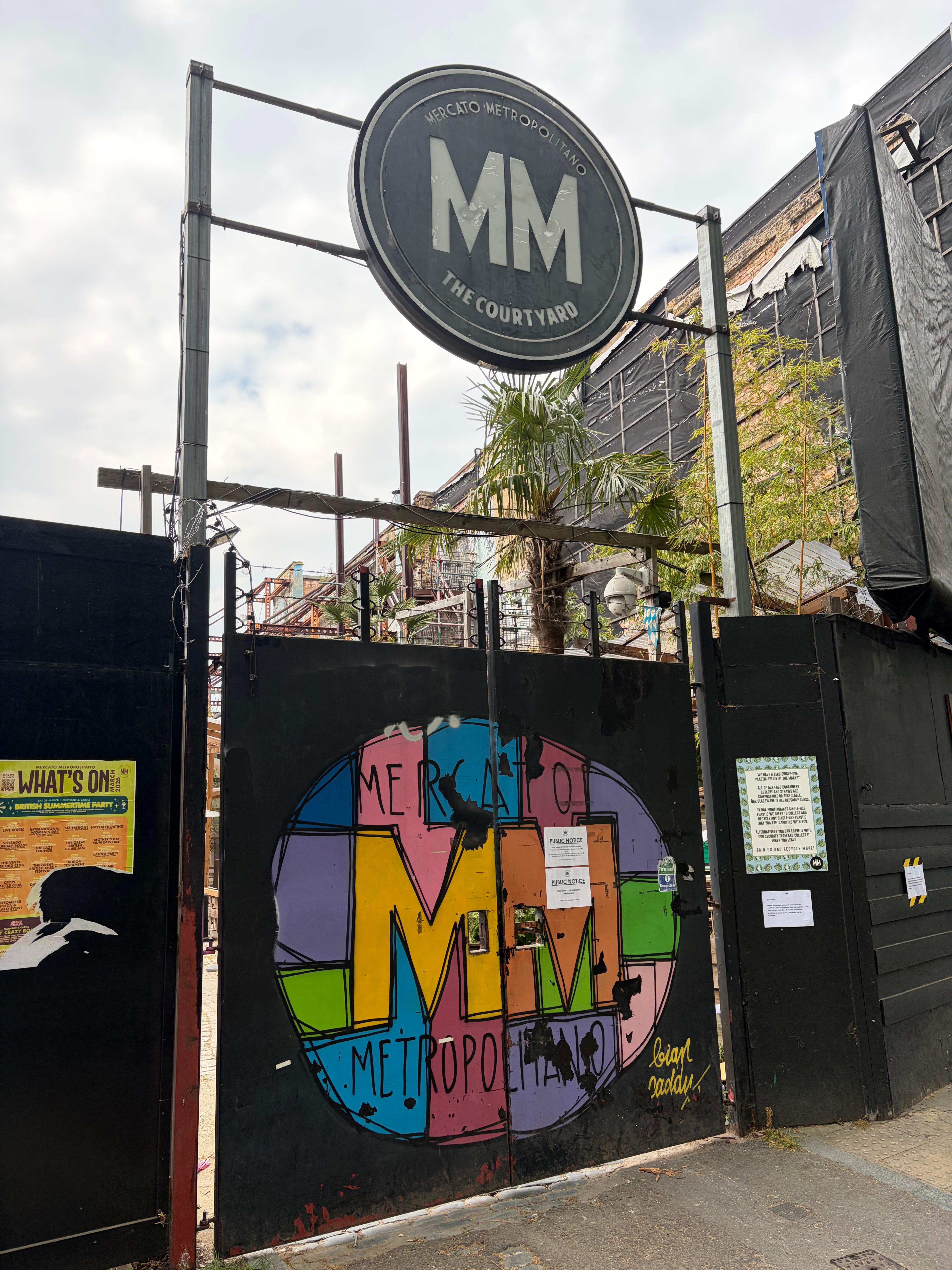
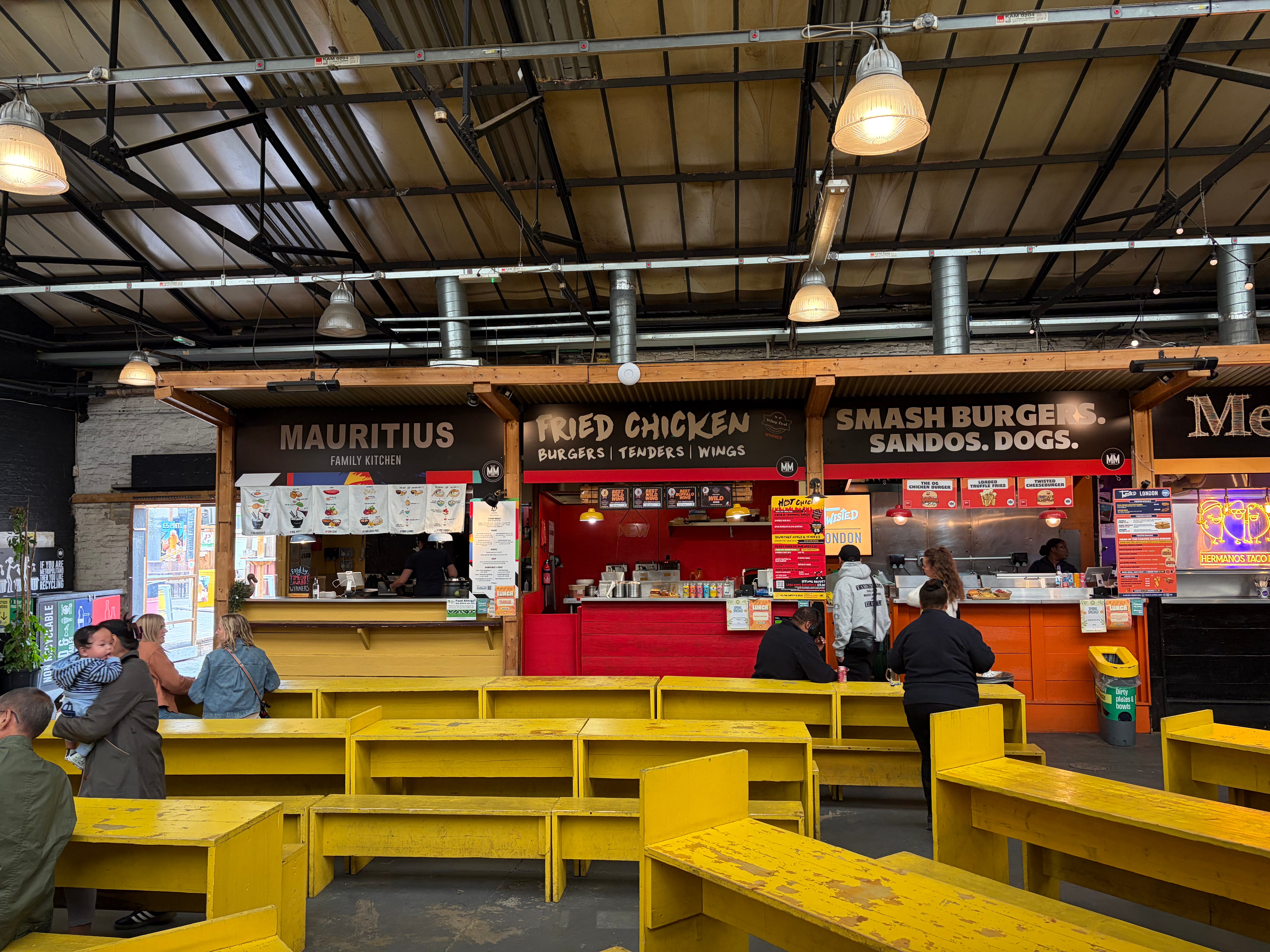
I first heard about Mercato Metropolitano in the summer of 2017, only a few weeks after moving to London. A friend living in Elephant and Castle had mentioned it sold piadina, a flatbread from Romagna in northern Italy that I’d never seen in the UK. When I finally went, I found not the generic ‘Italian’ I’d grown used to in London, but an unprecedented breadth of regional variation. Inside a vast post-industrial hall with long communal tables and an apparently endless line of food stalls, I found pici from Tuscany, risotto al salto from Lombardia and proper Neapolitan pizza, alongside Venezuelan arepas, Caribbean jerk chicken and ramen. It called itself ‘London’s first sustainable community food market’.
Mercato felt like an easy entry point into a city I was just starting to discover – familiar enough to be comforting, but cosmopolitan in a way I’d never experienced before. At the time, it seemed Mercato was an island, completely disconnected from its surrounding neighbourhood – a mere coincidence that it existed in Elephant and Castle and not anywhere else in London. I saw it as a place where I could start figuring out how life in the city might look. During that first summer, Mercato was the place I took my English (now ex-) boyfriend to make him try ‘real’ Italian dishes, and where I went with visiting friends and family to show off London’s diversity.
While my first year in London was beginning to take shape around Mercato, a long-running conflict over space was unfolding just down the road. Traders and activists were organising against the property developer Delancey’s plans to redevelop the Elephant and Castle shopping centre – a project that threatened to close around a hundred businesses. The same area had already seen the demolition of the Heygate Estate, council blocks where around 3,000 people had lived until the last residents were evicted in 2013.
Over the next couple of years, as Mercato became established as a destination, it was increasingly framed as Elephant’s success story – proof that the area was ‘on the up’. But at the same time, businesses inside the Elephant and Castle shopping centre began to close one by one, weakened by falling footfall, rising uncertainty and years of neglect. Despite a traders’ and activists’ campaign against the redevelopment, by 2020, the shopping centre shut its doors for good, leaving traders facing an uncertain future. I didn’t question this contrast at the time, but it was clear that Mercato, having turned Elephant and Castle into a ‘food destination’, also helped shape the narrative of a new, shinier neighbourhood into which the shopping centre no longer fit.
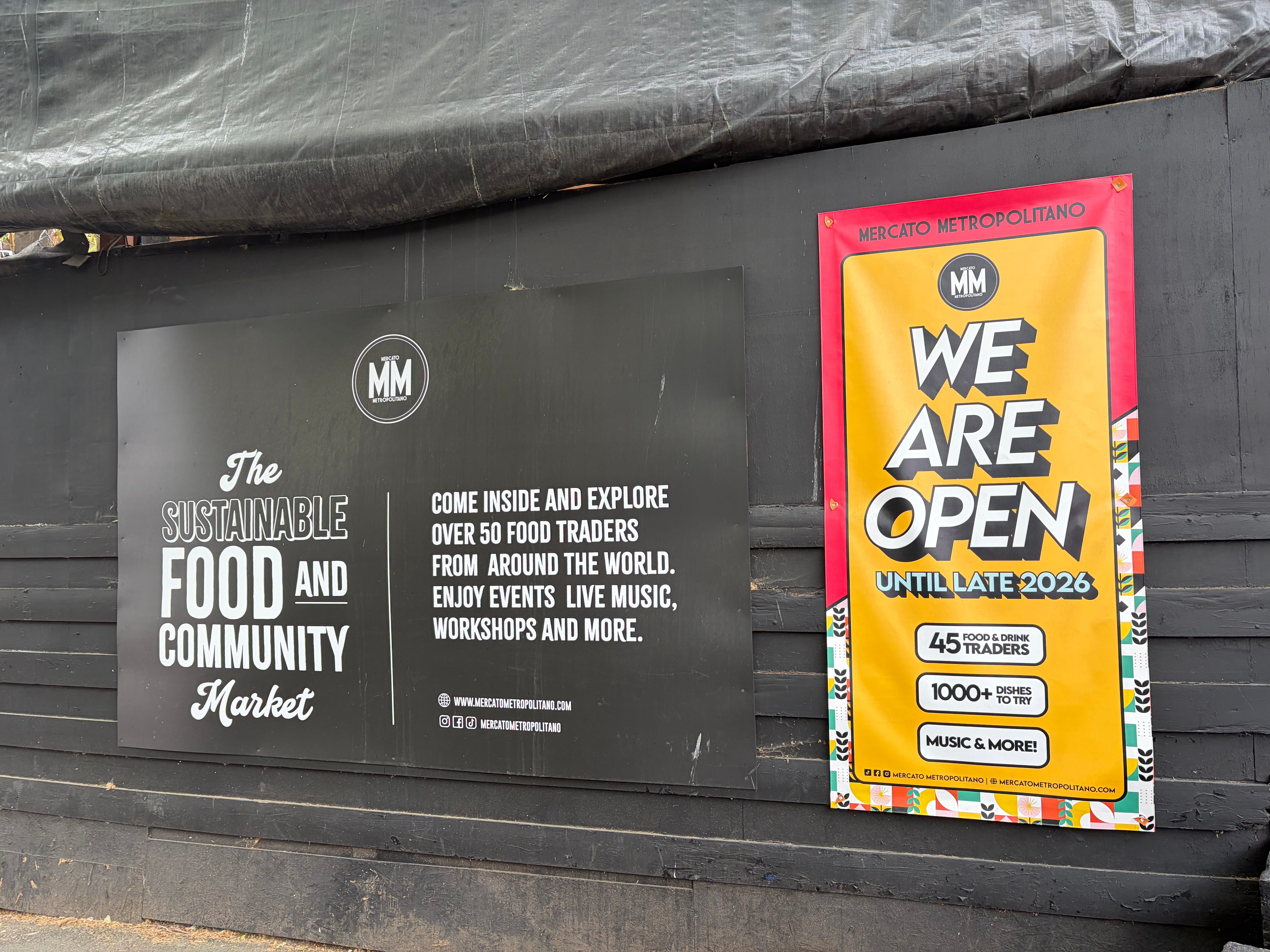
Six years on, the cycle has turned again. In April 2025, Berkeley – the developer that owns the land on which Mercato is based – secured permission to build three residential towers on the site (one of them forty-one storeys high, with flats priced far beyond local incomes). In December, it was confirmed that the market is scheduled to shut its doors in late 2026, leaving more than forty traders facing the same uncertainty as those in the shopping centre before them. When I first heard the news, I was struck by the irony: something that had so recently been celebrated as new and exciting was being threatened by the forces which had initially helped bring it into being. But perhaps I shouldn’t have been surprised: what has happened with Mercato Metropolitano is only the latest incident in the ongoing story of London street food vendors, and their uneasy relationship with those who own and control the land.
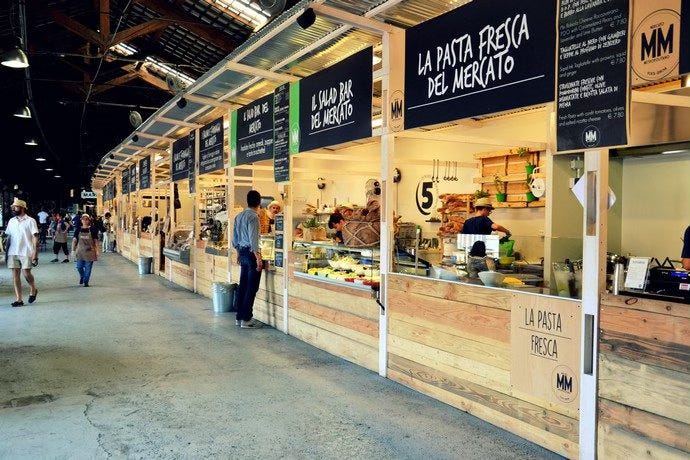
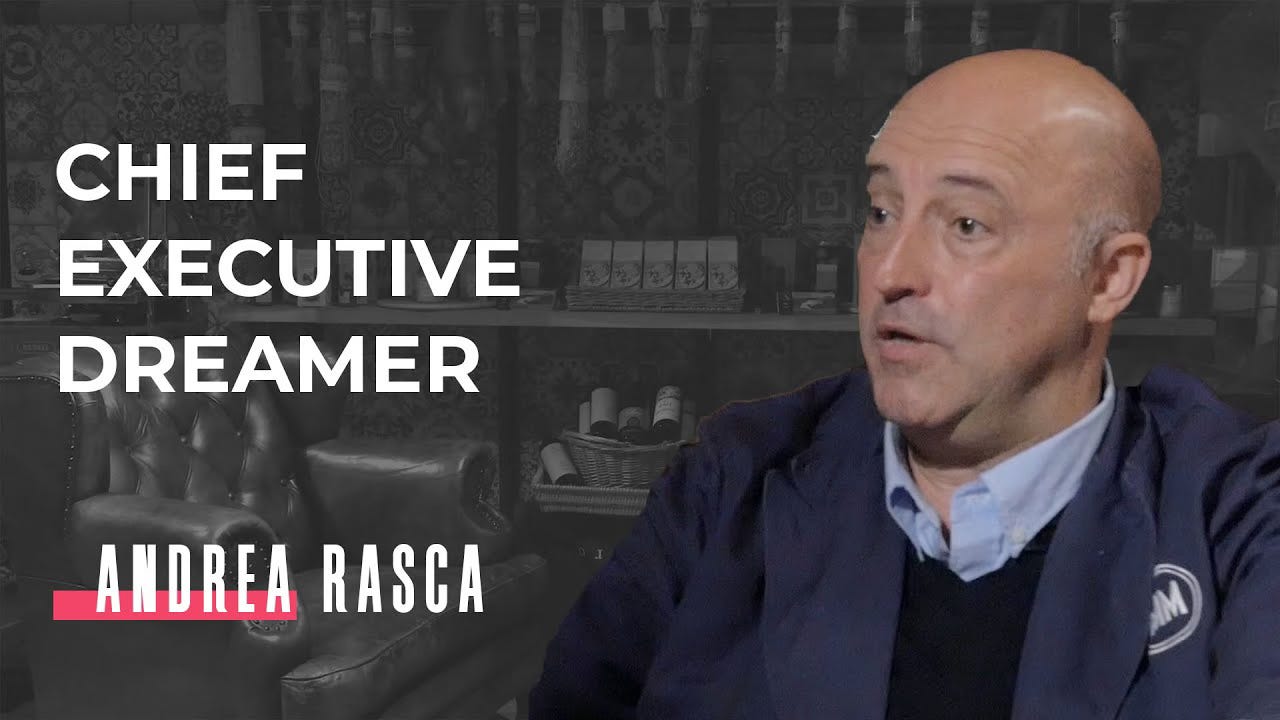
Mercato Metropolitano started in Milan in 2015, when its founder, Andrea Rasca, opened a food market inside a disused warehouse on the Navigli, just as the World’s fair Expo Milano was drawing crowds into the city. The concept was unusual for the time: a market that mixed traditional traders – a baker, a fishmonger, a butcher – with street food vans and community events, all inside a vast, half-derelict industrial space. It was consciously rough around the edges and deliberately anti-corporate, a reaction to the Expo’s heavy sponsorship by brands like Coca-Cola and McDonald’s. Rasca’s simple idea was that a market could run on high-quality food, minimal advertising and a basic level of affordability.
I met Rasca on a Friday afternoon last July, inside an empty Italian restaurant in Mayfair. At the start of our conversation, he was quick to point out that Mercato is not merely a business to him, but rather a project shaped by two key influences: Adriano Olivetti’s vision of socially oriented enterprise and Carlo Petrini’s Slow Food movement. Rasca talks about food as something that should be ‘adequate’ in the Universal Declaration of Human Rights sense – nutritious, culturally grounded and accessible. In practice, this meant every trader in Mercato had to offer at least one low-cost dish (say, a €5 marinara), even as some stalls sold premium items. This framing helped set it apart from Milan’s existing food scene – it felt less like a street food market and more like an experiment in how markets could operate.
When Milan’s city council told Rasca it would only let him stay on the Navigli site until December, he decided to bring the idea to London. By then, the city had begun embracing so-called ‘meanwhile uses’: temporary occupations of land already destined for redevelopment, tolerated precisely because they were not meant to last. A disused paper factory in Elephant and Castle that had long been abandoned became the site of the first London Mercato in 2016. Most people around Rasca thought the location was a mistake, overshadowed by Borough Market to the north and isolated from footfall, but the scale and the roughness appealed to him. The result was a market with the same calling card as the original, with traders given room to build their businesses, minimal branding and an unpolished aesthetic that distinguished Mercato from the more corporate food halls emerging elsewhere in the city.
Rasca recalls that the negotiations with Peabody (the land’s owner before they sold it to Berkeley in 2020) were surprisingly smooth. Peabody had recently submitted a proposal for redeveloping what they named ‘the Borough triangle’, a piece of land including the paper factory, the London School of Musical Theatre and the 100-year-old Institute of Optometry. Confident that the planning application would go through, they granted Rasca a ‘meanwhile use’ for one year; they saw it, in Rasca’s words, as ‘a practical solution to a temporary problem’.
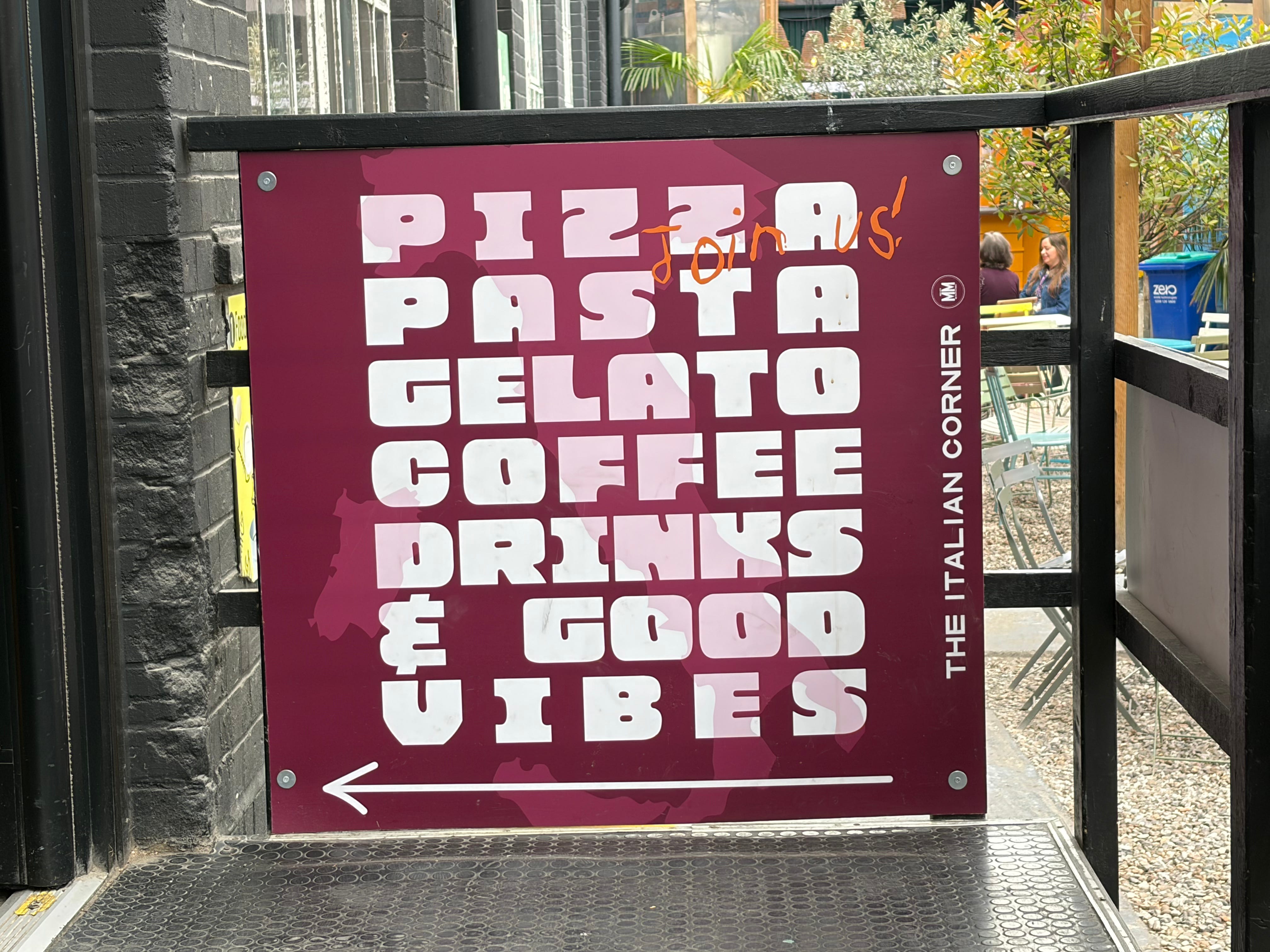
Eva Fino is one of Mercato’s longest-standing traders, running a cocktail caravan she brought to the Elephant and Castle site in 2016. She started her cocktail business in Milan after the wine bar she co-owned lost its regulars when the nearby Prada offices moved away. The newly opened Mercato on the Navigli offered the stability she’d been missing, and when the London Mercato opened, she followed, caravan and all. Like me, she arrived expecting postcard London and found something messier, louder, more familiar. She treated it as an experiment, assuming it would last a year or two at most. Instead, she put down roots. She learned Spanish first, from the Latin American traders around her, then English. Her business grew alongside Mercato; she hired staff, met her partner, and had a child. ‘I always say he’s Mercato’s baby,’ she tells me, laughing.
Fino remembers the early years, when only two caravans – her own, and another selling arancini – sat in the empty hall. The space gradually became a market as more vendors moved in, and Fino recalls Rasca’s attention to detail: there was a central team of around forty staff organising cultural and social programming (like a summer camp for local kids where families who could pay effectively subsidised those who couldn’t) and cooking classes run with Migrateful. Back then, she says, it really did feel like a community: traders helping each other out, management incubating new businesses. The success meant that the brand expanded, too: a Mercato Mayfair opened in 2019, then Canary Wharf in 2021 (plus a short-lived Ilford site in 2024, which closed after just six months).
In 2022, Rasca sold 75% of Mercato to Andrea Iervolino, an Italian film producer currently under investigation in Italy for alleged tax fraud, tax evasion and the use of false invoices linked to another business. From that point, Fino says, the atmosphere shifted. The central staff was cut from forty to four employees, the social programme thinned out and quality controls weakened. Footfall dropped, but rents didn’t. And only three years later, in 2025, Berkeley’s plans to build residential skyscrapers on the site were approved by Southwark council.
Mercato’s new owners have successfully won the bid to manage a temporary market that will be built under the railway arches while construction takes place. The catch is that this new space will host only twelve of Mercato’s forty-plus traders. Because of this, many of the traders I approached didn’t feel able to speak on the record, worried that saying the wrong thing could decrease their chances of being included (although some highlighted that Mercato deals with traders one by one, under different terms, with little transparency and no shared guarantees).
Despite being one of Mercato’s earliest traders, Fino was originally excluded from the project. The reason was technical: the current Mercato owners’ bid will give them exclusive control over beverages, arguing it’s the only way to keep the reduced site financially viable. Fino was offered £12,500 to relocate – nowhere near enough to cover finding a new space and fitting it out, or paying severance to her staff. She was determined to keep her cocktail caravan, but eventually had to accept that she could only claim a space in the temporary market if she changed her business entirely. She won’t be allowed to sell drinks, so she’s developing a fresh pasta menu instead. Though she will now have to reinvent herself as a food trader, what worries her most is the setting: the temporary market will sit inside a construction site for at least five years, and there is no clarity about what comes after. By then, the neighbourhood may have shifted again. Fino wonders whether there will still be space for her business at all.

To put what’s happening at Mercato into proper context, it is essential to go back to the origins of modern London street food. In the late 2000s, Petra Barran – who had been selling chocolate from a truck in the first half of the decade – had grown frustrated with how difficult it was for independent street food vendors to find space in the city. Her solution was simple: band traders together and negotiate collectively. What started as a loose network quickly became London’s first street-food consortium, KERB. By 2012, KERB had become the go-to partner for developers looking to animate underused sites. Barran remembers being invited to set up a market on a newly opened road in King’s Cross – the first new street built in London in ninety years – and realising how the gates had opened. ‘It was intoxicating,’ she told me. ‘Suddenly we were being invited to an empty car park in Peckham, the plaza under the Gherkin, spaces all over the city that we would have never dreamed of claiming as ours. It gave us a real sense of agency, as if street food could help us bend the city in a new shape.’
But these invitations weren’t a transference of power so much as a controlled release. Street food could make a newly opened road, an empty car park or a corporate plaza feel temporarily shared and open, even when the land wasn’t. A 2017 Guardian investigation, led by Jack Shenker, noted that many of these sites are ‘pseudo-public spaces … that appear to be public but are actually owned and controlled by developers and their private backers’. What often gets described as ‘placemaking’ – creating shared public space with the collaboration of the local community – is ultimately a marketing strategy, a way of selling the idea that life is being brought to an area when, in reality, life is already there. What’s being ‘made’ is a version of place that’s easier to manage, market and redevelop.
Nowhere has that paradox played out more clearly than in Elephant and Castle. When Mercato opened, Elephant and Castle’s shopping centre still functioned as a dense ecosystem, where Colombian cafes sat beside Nigerian hair salons, Latin American butchers next to phone-repair stalls and bingo halls. It embodied what the sociologist Richard Sennett calls an ‘open city’: messy, porous, shaped by use rather than design. Yet with nearby housing disappearing and redevelopment plans taking hold – conditions for survival being steadily withdrawn – footfall thinned and anchor shops left. Mercato arrived with a different proposition: a curated, branded version of multi-ethnic food, legible to visitors, investors and developers alike. The two coexisted uneasily and, for a time, it was the older, messier space that was framed as obsolete.
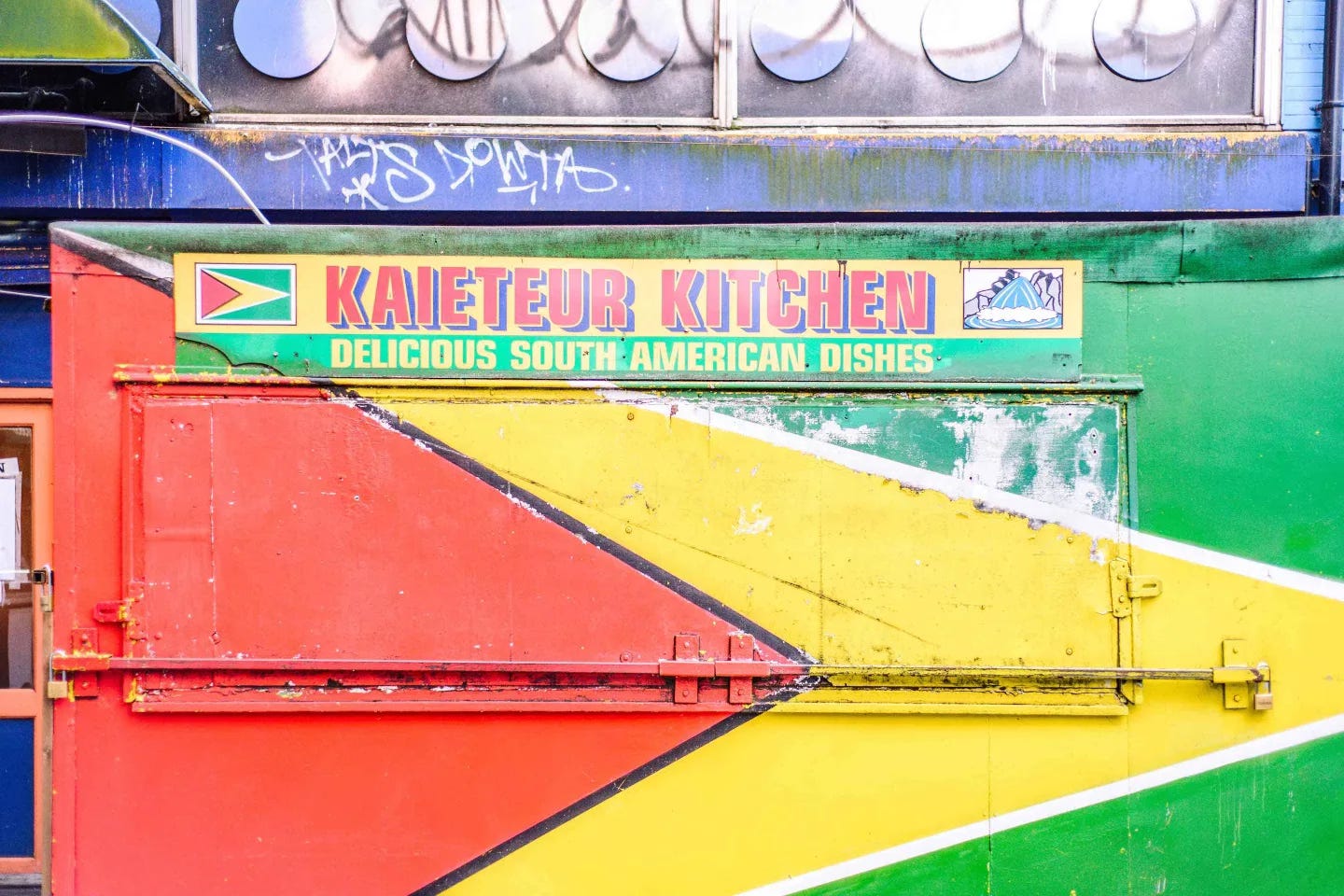
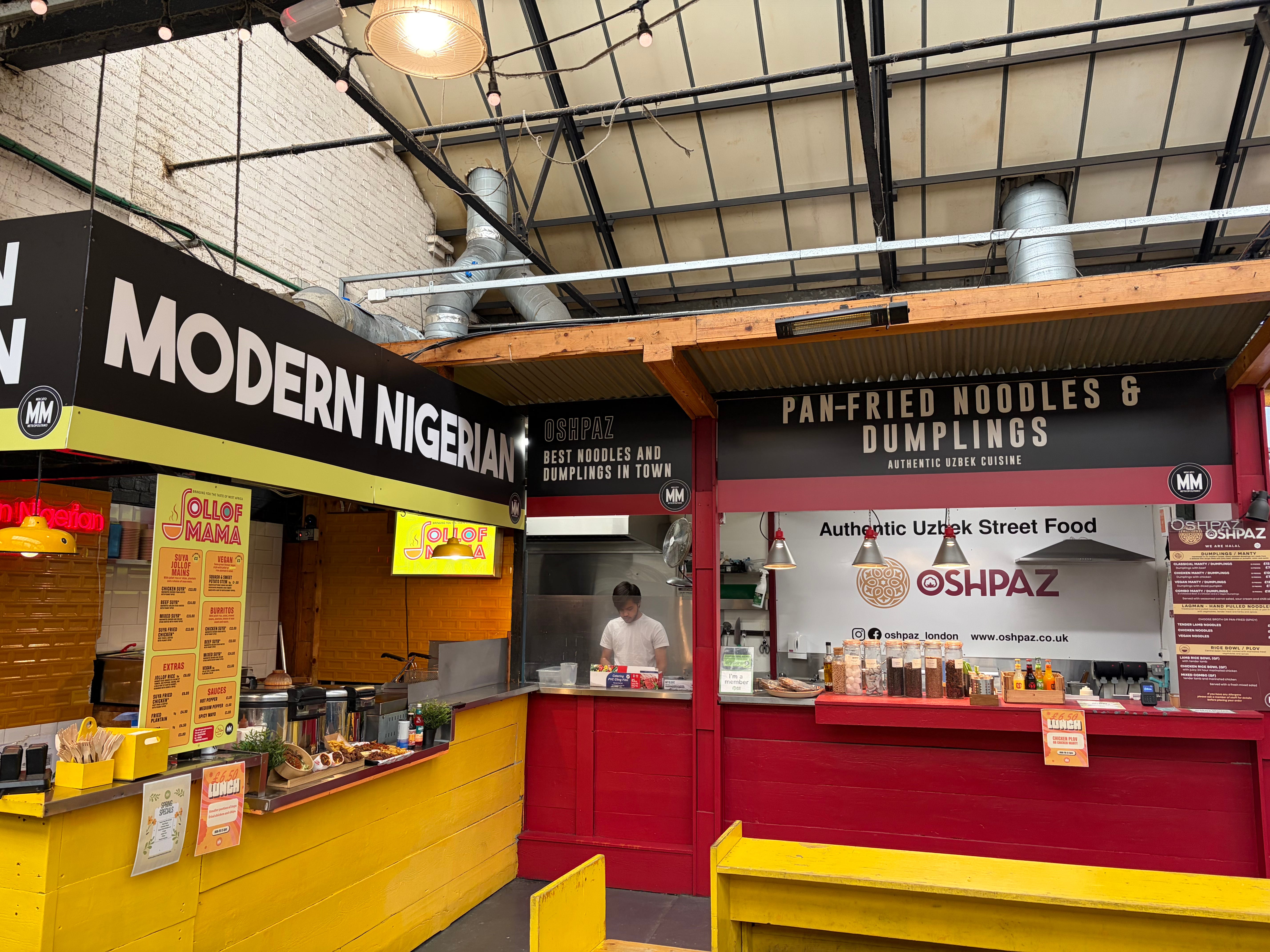
When I spoke to Sophie Wall from the charity Latin Elephant, she explained that the comparison between Mercato and the shopping centre was more nuanced than it appeared. On the surface, the two served very different audiences: Mercato catered to aspirational newcomers, while the shopping centre was used by people who had lived in Elephant and Castle for decades. But from an organising perspective, Wall explains, the differences were largely cosmetic. ‘Once you strip away the branding, the businesses weren’t that different,’ she tells me. ‘They were small, often migrant-run, often women-led, and operating on very thin margins.’ This tallies with my own interviews with Mercato traders: many are refugees or migrants, and their stand is their first business.
The difference for Mercato was that it occupied a different space in the regeneration cycle. In 2016, Mercato was useful to developers: a signal that the area was changing, a way of attracting footfall and attention while the future of Elephant and Castle was still uncertain. By 2025, that work had been done. With endless lines of brand-new buildings, a new shopping centre about to open and foreign investors crowding in, Mercato was no longer needed as a promise of transformation. The land it sat on was now valuable enough to speak for itself.
Jed Holloway, a planning solicitor at Southwark Law Centre, suggests that the shopping centre’s fate mirrors what is now unfolding at Mercato. Given Delancey’s recent redevelopment of the Elephant and Castle shopping centre, Berkeley already had a blueprint for how much they could get away with at Mercato. Initially, just like Delancey, Berkeley offered nothing to Mercato traders; when pressured, they proposed a business relocation strategy that closely mirrored that of the shopping centre. The difference was that, this time, an experienced activist network was already in place. Campaigners had learned how to navigate negotiations with the council and the developer, and they secured what looked like meaningful concessions: a temporary market and a £200,000 relocation fund – more in relative terms than traders at the shopping centre ever received.
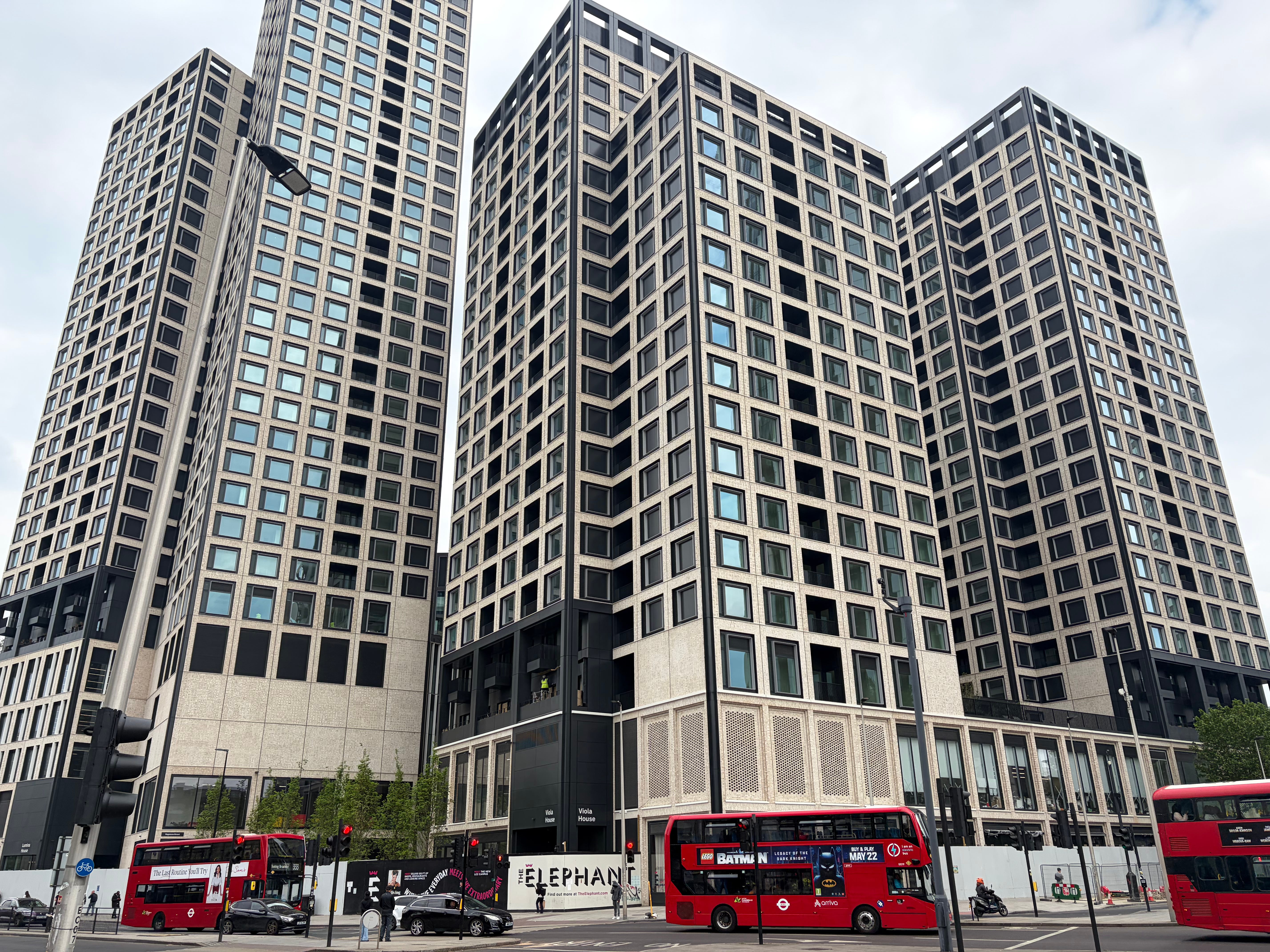
But when you look closer, those wins are marginal. The £200,000 pot is to cover the collective costs of relocation for all affected businesses, in an area where fitting out a new unit can cost hundreds of thousands of pounds alone: Holloway mentions that one Mercato trader is facing costs of up to £800,000 for installing the kitchen, plumbing and electrics needed to operate their business. ‘Most of the businesses are going to struggle,’ Holloway tells me. ‘Most of them won’t be relocated or, if they are, they probably won’t survive.’ The temporary market raises further concerns: reduced footfall, rents comparable to Mercato’s but with fewer customers, and no guaranteed right of return. Again, the shopping centre looms as a warning. After its closure, some of its traders were relocated to Castle Square, a temporary, container-style space whose tenants now face eviction over a backdated electricity bill. Others are holding on to unprofitable units in the hope that staying visible and close by will improve their chances of returning to the new shopping centre. Years on, many still don’t know whether that right will come.
Nina Wessel, an activist and spokesperson for the Save Borough Triangle campaign, is also concerned about the fairness of Berkeley’s plan. She got involved after distractedly picking up a flyer about the redevelopment, and has since become a key link between Mercato and the council. She takes me around the building that will soon be replaced by Berkeley’s vision, telling me the market currently provides 450 jobs. ‘And then Berkeley comes along promising 500 jobs,’ she says, shaking her head. ‘But what kind of jobs? They say it like it’s a gift. But those jobs are imaginary, maybe in the future, probably in chain stores. What we have here, now, are independent businesses, real families relying on them.’ (This would not be the first time that a vision for the development is not followed through in practice – last month, Berkeley put in an application with Southwark council to reduce the ‘affordable housing’ at the development from 35% to 10%.)
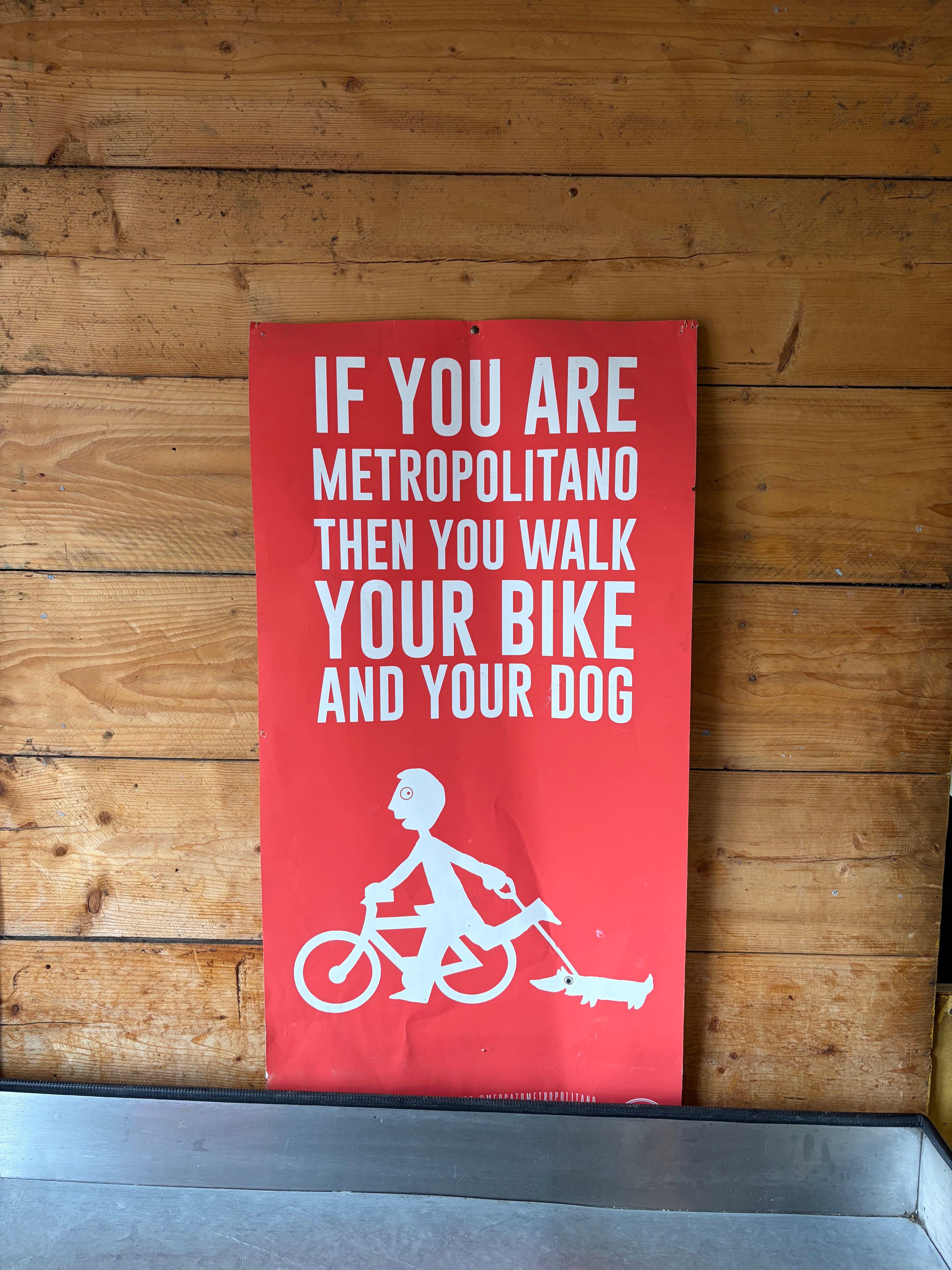
Displacement is not an abstract process or a line in a planning document, but the slow unravelling of lives built around a place: shopping centre traders waiting years for relocations that may not come; Mercato traders forced to gamble on temporary sites with no right to return. Fino, who is one of the lucky ones, arrived in London without expectations, convinced she was only passing through; nearly a decade later, her life is bound up in a place that is now disappearing beneath her feet. As for Rasca, he is no longer involved in the day-to-day management of Mercato’s London sites. He talks about the split obliquely, but it’s clear that his break from Mercato’s current sites was ideological as much as operational. Potential investors, Rasca told me, wanted to talk about returns; he wanted to talk about how people eat. At a certain point, those conversations stopped overlapping. He insists that what matters to him is the ‘movimento’, the idea of a metropolitan market built around decent food, affordability and social life. He’s already looking for the next location, and is writing a book to set out his philosophy. In his telling, Mercato was never meant to be permanent: it was a prototype, something that could be picked up and reassembled elsewhere.
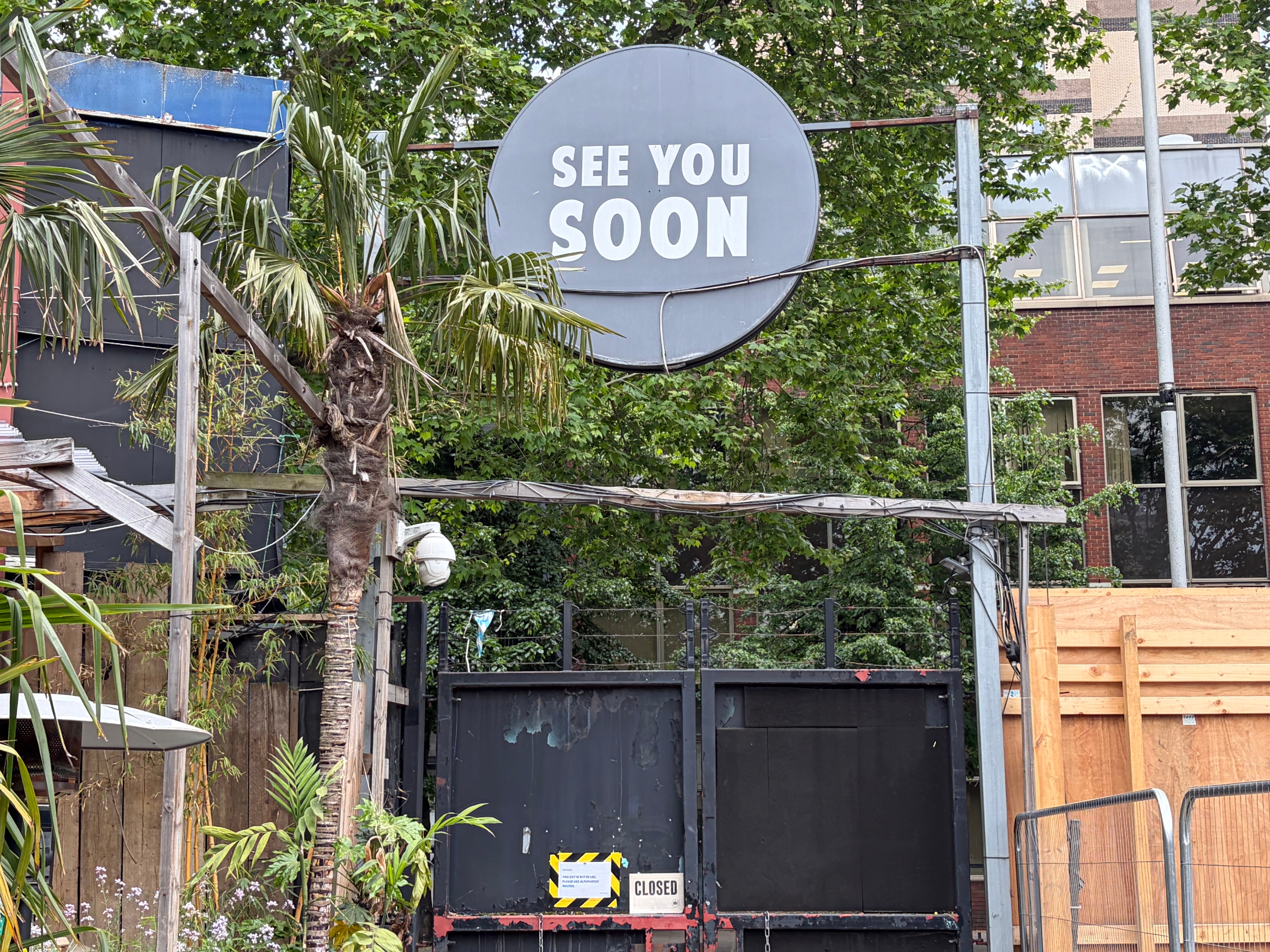
Maybe he’s right, but the story of Elephant and Castle suggests a deeper contradiction. In a city where land is valued first and foremost for the wealth it can generate, markets like Mercato are only tolerated while they animate space and help tip a neighbourhood into its next phase. Once that work is done, their value is quickly reassessed. Mercato’s fate is the clearest proof that an ethical experiment that doesn’t reckon with the space around it cannot remain protected from these forces. However carefully designed, it is still caught in the same regenerative currents it helps to set in motion; eventually, it will get carried away by them too.
Credits
Caterina Urbano is a writer based in East London. Originally from Italy, she is interested in cities, food, and the changing politics of urban life
The full Vittles masthead can be found here.
This is a beautiful necessary reflection. It’s heartbreaking to see a place that fostered such genuine connection being replaced by the very forces it helped to attract.
As an architect, I’ve always been fascinated by how the spaces we inhabit change their skin. We often see neighborhoods evolve, but it’s a tragedy when that metamorphosis serves profit over the origin, stripping away the soul of a community. When we lose anchors of convivialité like this, we don't just lose a market; we lose the right to inhabit the city together. Thank you for this powerful piece.
An interesting piece but the shopping centre closed because it was scheduled to close (to be redeveloped into a new shopping centre) and everyone knew it. You can try to claim that MM was a rather on-the-nose counterpoint to the decline of the shopping centre, but you’re wrong if you think the two are intrinsically linked.
The shopping centre was largely a depressing shitbox, by the way, not the vibrant ethnic market of your imagination. Similarly nobody in their right mind thought MM somehow proved that Elephant had now arrived and was basically Chelsea with better transport links.
MM Elephant was meant to last a year or two. It’s still here, just about. Rather like the shopping centre, its lustre has faded quite a bit over the years. I dare say the people in charge have done well out of it, and the brand has opened other branches in different parts of London over the years.