

How to Live to 100
Helena Aeberli looks back at Luigi Cornaro, the first longevity influencer
Good morning and welcome to Vittles. Today, Helena Aeberli discusses the persistent influence of Luigi Cornaro, whose sixteenth-century discourses on abstention and careful monitoring of food intake have striking resonances with the contemporary obsession with fitness and longevity.
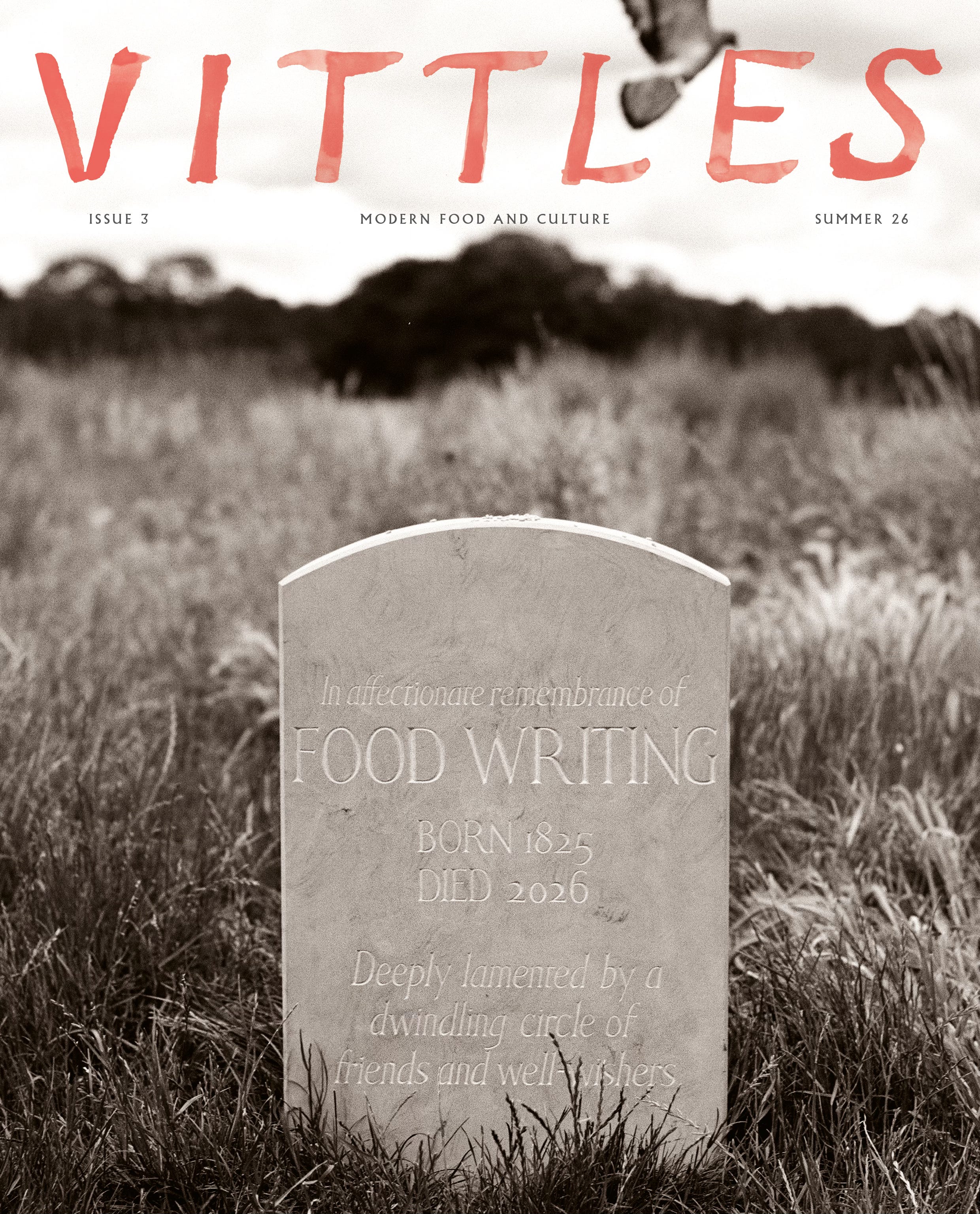
This piece is an online-only article linked to our forthcoming third print issue, ‘The Influencers’ – all about how the internet and short-form video have reshaped food culture, as well as about the broader sociocultural systems and structures that inform how we eat today.
Issue 3 is officially out this week. Today is the last day to pre-order it at a discounted price, with an extra discount for paid subscribers (see the original email for details). Order your copy here!
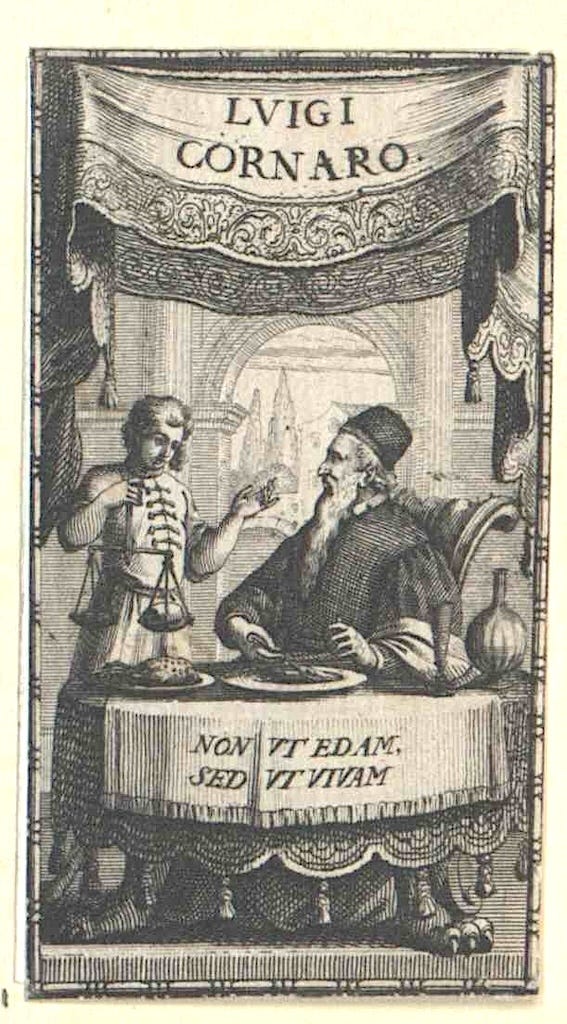
A young man looks down at his plate. There isn’t much on it – a single boiled egg and a mug of bone broth – but that’s the point. Having obtained the latest intake-tracking technology and the hottest new diet manual (written by a popular wellness guru), he is about to embark on a programme of strict abstinence with the aim of transforming his body and soul. When his friends ask him why he’s no longer joining them at the pub or indulging in his favourite food, he tells them that he wants to feel fit and healthy. He wants to look unrecognisable in a few months and to feel as young in his old age as he does now.
This story of dieting, the anxiety-inducing pursuit of health and the tantalising promise of a long life lived well, is a familiar one today. Except in this case the year isn’t 2026 – it’s 1558. The new piece of kit is not a smartwatch or continuous glucose monitor but a weighing scale. And the charismatic lifestyle guru isn’t Bryan Johnson or Andrew Huberman. He’s a Venetian nobleman turned engineer and architect, who at ninety-one years old – or at least, that’s the age he claims to be – says he’s uncovered the secret to granting every man’s deepest desire. Luigi Cornaro says he can help you to live forever.
In Discourses on the Sober Life (Discorsi Della Vita Sobria, sometimes translated as How To Live To 100), Cornaro told the story of a personal miracle. After decades of overeating and chronic illness – including ‘spices of the gout’, a ‘continual slow fever’ and ‘a stomach generally out of order’ – he’d achieved near-mythical health and longevity through extreme restriction, carefully weighing out a slender daily ration of food centuries before the invention of MyFitnessPal. The man who used to ‘eat freely of every thing I liked best’ (including ‘melons’, ‘fish and pork’ and ‘pastry’) became a zealous dieter, endeavouring ‘never to cloy my stomach with eating or drinking; but constantly rise from table with a disposition to eat and drink still more’. With Discourses, Cornaro sought to convince others that they should do the same. Nearly 500 years later, with ‘longevity’ one of the buzzwords of the moment and an army of wellness influencers seeking to sell their personal protocols to the ‘worried well’, the story of the first modern diet manual is more relevant than ever.
*
In an age where nearly everyone knows the calorie content of a chocolate bar, even if they don’t particularly want to, it’s hard to overstate just how radical Cornaro’s thesis was. Premodern dietetics preached moderation in all things and condemned gluttony, but it was also resolutely qualitative. Under the humoral theory (the dominant framework through which Europeans understood their health from classical antiquity until into the eighteenth century), the balance of the four humours (blood, phlegm, black bile and yellow bile) determined the make-up of the body. This balance was affected by what one ate. Foods possessed particular properties that related to their healthfulness, and it was important to ensure the appropriate balance for each individual eater.
‘Cornaro proudly informed his readers of his slender daily ration: twelve ounces of food and fourteen ounces of wine … [he] viewed consuming any more as a near-catastrophic threat to his carefully won health’
The melons beloved by Cornaro were ‘cold’ and ‘wet’, which meant they were thought to lack nutrition and to be prone to corrupting inside the body. Pork was judged more nourishing (disturbingly because its similarity to human flesh rendered it easily digestible), but doctors believed it could be harmful to those of a sedentary lifestyle and weak digestion, such as scholars like Cornaro. While it doesn’t stand up to modern scientific criteria, this was a holistic – and surprisingly poetic – dietary system attuned to the individuality of the human body, acknowledging that different diets were appropriate for different eaters.
Cornaro, by contrast, believed that eaters should follow two dietary ‘rules’ – eating foods with qualities that agreed with them, yes, but also restricting the quantity they consumed. While moderation had long been prized, Cornaro went much further, proudly informing his readers of his slender daily ration: twelve ounces of food and fourteen ounces of wine – likely amounting to no more than 1000 calories. He carefully weighed his food and viewed consuming any more as a near-catastrophic threat to his carefully won health. After worried friends expressed concern about his restricted intake, he begrudgingly added another four ounces, an increase he contended made him dangerously unwell.
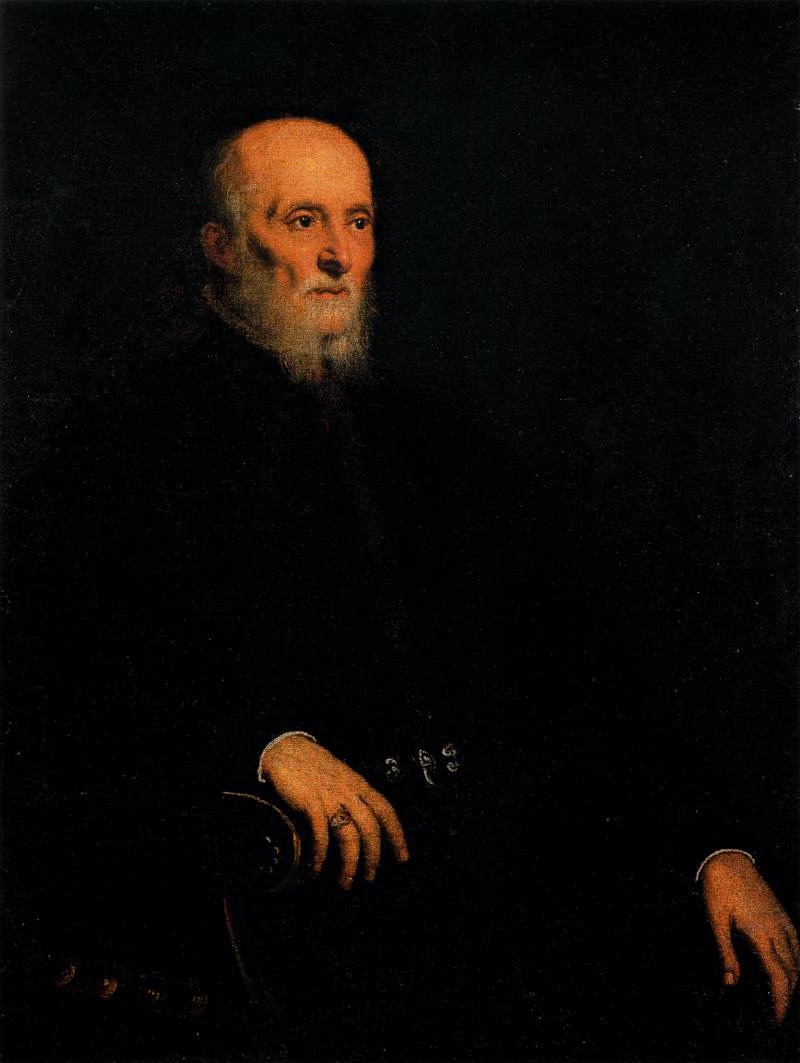
When Cornaro died a centenarian in 1566 (if his own accounts are to be believed; each new edition of the Discourses exaggerated his age a little more, and historians’ estimates of his birth year range between 1464 and 1484), his acolytes spread the word of his revolutionary abstemious diet as a panacea for spiritual and physical ill health. Cornaro’s work was frequently reprinted, and defenders of his method published their own books, prescribing a limited or ‘lowering’ diet to patients (eighteenth-century physician George Cheyne praised ‘diminution’ as the way ‘Cornaro lengthned out his Days, and preserved his Senses, in a great measure, intire to a hundred Years’). By the late nineteenth century, according to none other than Friedrich Nietzsche, ‘thousands of copies’ of Discourses were still being sold each year in England alone. It continued to be cited well into the twentieth century; the most recent scientific praise I’ve found is in a gerontology article from 2018.
Cornaro himself is little known today, but his influence on contemporary food culture is difficult to overstate. While he lived in a society with little stigma around fatness, his focus on quantity presaged the introduction of standardised calorific intake and BMI charts, the multi-billion-pound weight-loss and wellness industries – and the deep vein of anxiety that continues to run through food culture today. The idea that one’s food intake can be measured, weighed and proportioned to the nth degree was his innovation. Cornaro urged his readers to find their own perfect quantity of food to ingest, promoting a data-driven attitude to the body and an emphasis on tracking and monitoring that has become ingrained in contemporary life. With him, the scale entered the kitchen for the very first time.
‘If food is mere fuel, carefully portioned according to macros or calories, it is no longer a source of pleasure, joy, community or cultural meaning’
But as anyone who’s used a calorie tracker knows, knowledge of the body can easily slide into an obsessive desire to control it. Doctors and the media now talk about longevity fixation syndrome, an obsession with monitoring one’s biomarkers with the aim of extending life, while orthorexia, a disordered preoccupation with the healthfulness and purity of food, is on the rise and has been linked to the manipulative tactics of health and clean-eating content creators. (Epidemiological data for orthorexia are limited due to the novelty of the condition.) Cornaro and his disciples were not immune to similar accusations of making people sick: I recently stumbled across a battered doctor’s casebook from the early seventeenth century in the British Library, and was startled to find the apparent symptoms of orthorexia staring back at me – a ‘strict accurate diet by the scale’ was linked with making people ‘fearful … [that] an ounce of meat or drinke more than ordinarie, makes their pulse strike higher: they estrange themselves from civil societie; and must eate alone’.
Cornaro’s central focuses – extreme abstention and the aim of elongating life and wellbeing – are experiencing a contemporary resurgence, the former via the rise of ‘thinfluencers’ and the boom in GLP-1s, the latter via self-optimisation and longevity grifters. Each of these movements shares a vision of the body as a ‘project’, something that can be constantly improved. This perfectionist bent means that the goalposts of what constitutes wellbeing are constantly moving and have become increasingly unattainable for ordinary people. Wellness becomes competitive (Peter Attia’s bestselling longevity guide is titled Outlive), extreme (Bryan Johnson claims to take over 100 supplements a day) and expensive (the industry as a whole is currently valued at $6 trillion). It also promotes a kind of tunnel vision. If food is mere fuel, carefully portioned according to macros or calories, it is no longer a source of pleasure, joy, community or cultural meaning. Podcaster Steven Bartlett, who recently opined, Cornaro-style, that ‘a couple of glasses of wine … ruined three days of my life’, a ‘domino effect’ he tracked through his Whoop smartwatch, is a case in point. Such an obsessive fixation on diet, as one early modern doctor bewailed nearly half a millennium ago, makes ‘a man jealous of his owne fingers, daring to eat nothing with chearfulness’.
‘Like us, Cornaro was living in a time of major turmoil, with plague and the Reformations producing deep social, religious and political strife … it’s tempting to see his obsession with food regulation as a response to the turbulent age he lived in’
*
For Cornaro, dieting was a spiritual pursuit which would enable him to make a good death, finally free of the sin of gluttony. We may not explicitly believe that dieting leads to spiritual enlightenment, but contemporary wellness and diet culture often still seek to sell salvation. Today’s wellness evangelicals routinely adopt the language of religion – promising transformative rituals and cleanses, and a strict ideology of self-discipline. Bryan Johnson’s latest programme is even called ‘Immortals’ (at a cost of $1 million a year, it is just one of many such expensive and experimental treatments available only to an extremely select few, at a time when predicted lifespans between the rich and poor continue to diverge).
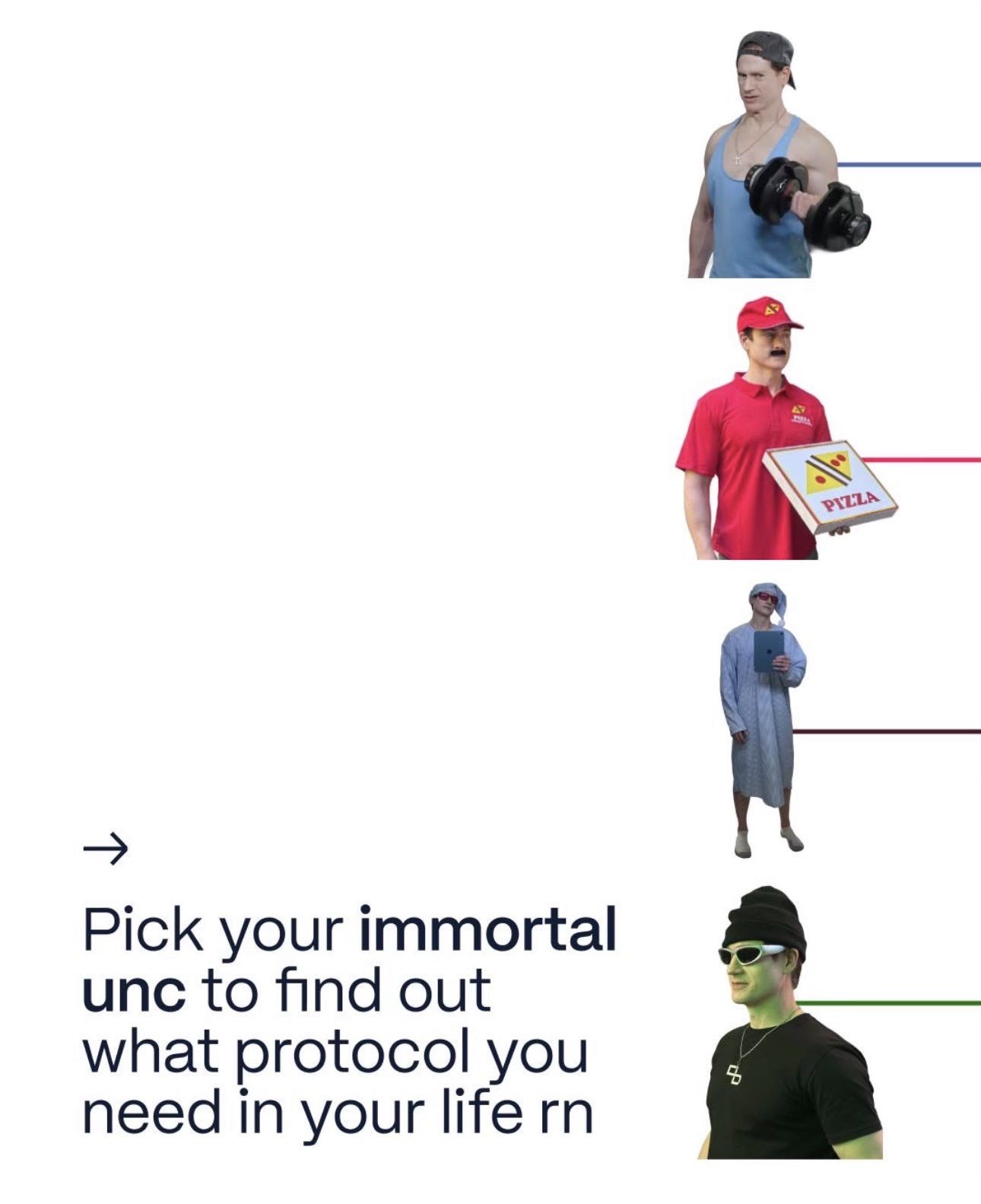
Scholars such as Hannah Bacon and Michelle Mary Lelwica have persuasively argued that diet culture operates as a kind of secular religion in the West, offering a ‘salvation myth of physical perfection’. The bringing of one’s mortal body closer to that ideal is taken as a sign of superiority and self-control, and while unregulated supplements, peptide stack injections, extreme diets and self-tracking devices all draw on the language of science to sell their denial of death, they are often premised on a fantastical or delusional belief in effectiveness, despite the absence of any supporting evidence.
This delusion is understandable in an increasingly deranged and confusing world: body projects offer a modicum of control. The consolatory, quasi-spiritual function of self-control will be familiar to anyone who has suffered from an eating disorder. Strict structures provide meaning, promise certainty. Like us, Cornaro was living in a time of major turmoil, with plague and the Reformations producing deep social, religious and political strife. He likened order in the body to order in society, and it’s tempting to see his obsession with food regulation as a response to the turbulent age he lived in. The past may be a foreign country, but some impulses transcend time.
*
Although Discourses on the Sober Life remains in print, Cornaro is rarely cited as a dietary authority today. And while it’s easy to overlook his story as a historical curio, I see his ghostly influence everywhere in the online world of wellness, as well as in my own perpetual desire to eat right and the lifelong anxieties this has caused me.
Today, it’s almost impossible to open social media without encountering an outpouring of emotive content about health, wellbeing and eating (or the restriction thereof). Most of this is created by amateurs whose self-professed expertise comes from a personal journey rather than any medical training (even supposedly legitimate scientists like Andrew Huberman and David Sinclair, respectively Stanford and Harvard professors, are frequently accused of peddling pseudoscience and misinformation on their popular YouTube channels and podcasts). The narrative these wellness and longevity influencers gurus is selling is broadly similar to Cornaro’s: the tale of a fellow sufferer, a former loose-liver turned disciplined, self-trained dieter who no longer needs the input of medical professionals. Ultimately, Cornaro was a clever salesman who understood the fears and desires of his fellow men. His legacy shows that diet culture is, and always has been, about telling – and selling – a good story.
Credits
Helena C Aeberli is a writer and historian based between London and Oxford, where she is currently researching early modern eating disorders.
The full Vittles masthead can be found here.