

How Hurricane Melissa Affected Food and Farming in Jamaica
Dora Taylor talks to farmers, chefs and educators on the island to find out more. Photographs by Ailsa Jones.

Good morning and welcome to Vittles. Today we have a longread by Dora Taylor, who reports from Jamaica on how food systems and farmers are faring in the wake of the devastation caused by Hurricane Melissa.
A quick reminder that we are partnering with the British Library Food Awards again this year on the Food Stories Fellowship Award. The winner of this fellowship will receive £1500 to support them to use the British Library’s food collections to produce a piece of new writing on some aspect of contemporary food or drink culture, which will be published in Vittles. The deadline for applications is 27 April. More details are available here.
Finally, we have sold the bulk of our print run for Issue 2, themed around ‘Bad Food’. You can buy a copy here.
How Hurricane Melissa Affected Food and Farming in Jamaica
Report by Dora Taylor. Photographs by Ailsa Jones.
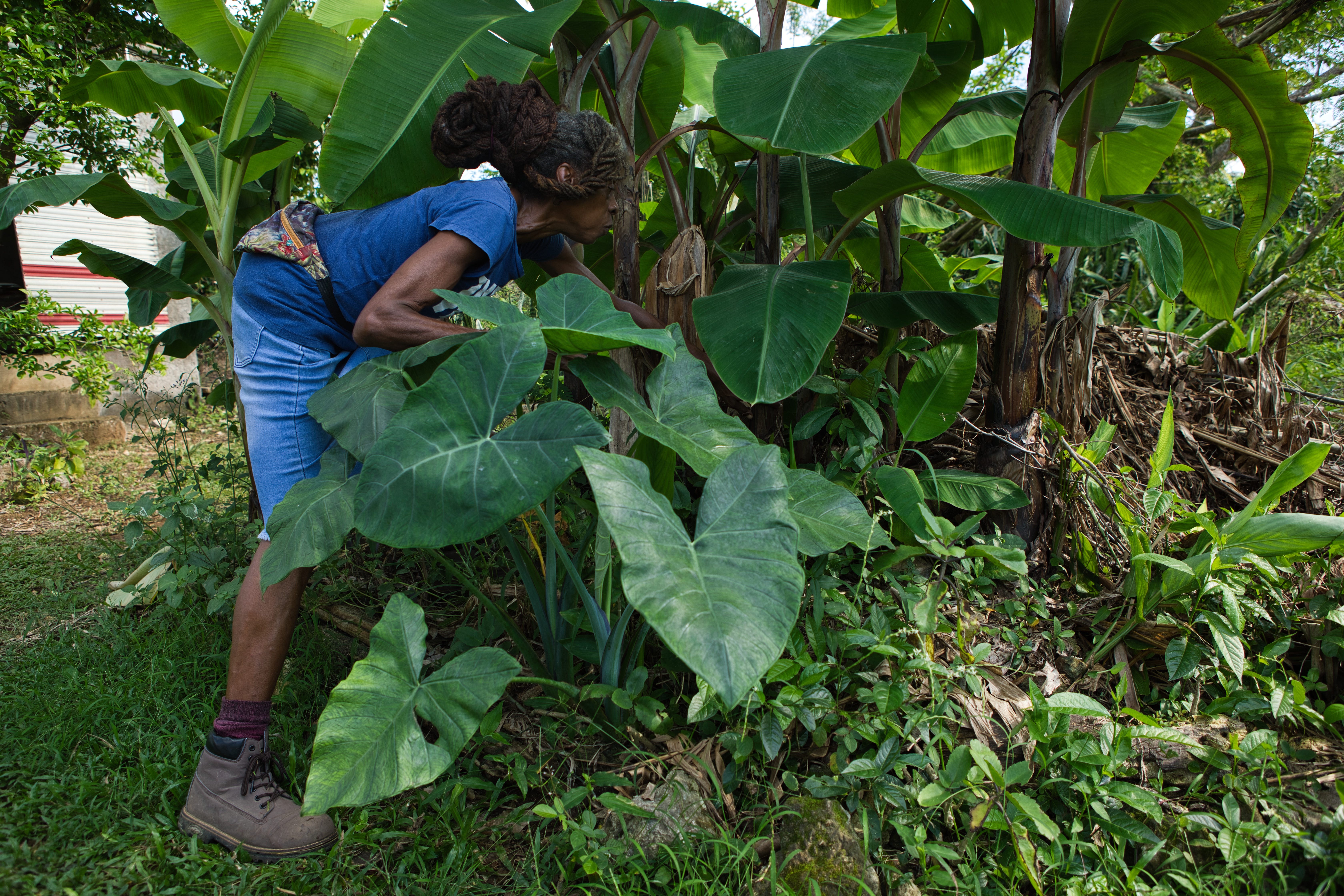
It’s the week before Christmas in Hopewell, a small coastal town in the parish of Hanover in northwest Jamaica. The town is bustling, cars stacked impossibly across side streets, people yelling greetings across the road. In front of me, a man leans out the window of his battered pick-up truck, signalling to someone walking past. ‘How ya family?’ he shouts. ‘Nobody dead!’, the friend replies, beaming.
It’s two months since Hurricane Melissa, the strongest to ever hit the island, made landfall in Jamaica on 28 October 2025. In Hopewell, most businesses have only just reopened, though shelves are sparsely stocked, several stores have no power, and shops are only taking cash (with no functioning cash machines nearby). Nevertheless, life bubbles defiantly on. I smell frying chicken and the pungent ocean tang of fish tea from the nearby street-food vendors who have returned to business, but I cannot find ackee, plantain or soursop, which would be plentiful right now if the storm hadn’t stripped them from the trees. Most of all, I have been craving the fragrant burn of country pepper. So, when I spot a man selling the small, wrinkled bulbs in yellow and green, I am elated. I ask about the price: four thousand Jamaican dollars (~£19) per pound.
I am joined by other shoppers when I exclaim in protest at this fourfold increase, but the seller remains firm. Beside me, Bernadine, who’s selling cabbage, carrot and scallion, is watching. ‘That will all get wasted because they’re selling it for too high a price,’ she tells me, ‘and people hungry right now. It don’t make no sense.’ Since the hurricane, food scarcity has caused prices to jump: cucumbers and yams have doubled in price; carrots, cabbage and scallion have all tripled; sweet peppers have gone from $100 to $1000 dollars per pound (~50p to £5). Because Bernadine has had to increase her prices, her offering is small; she doesn’t see the point in stocking crops like country pepper that people can’t afford.


The proportion of foreign produce in the market has also increased. Although Jamaica has long been heavily dependent on imported produce, around 60% of this has historically gone to hotels, restaurants and institutions; local markets usually stock a majority of of domestic crops, often sold by the farmers who’ve grown them. But since the hurricane, Bernadine tells me that ‘Our own onion mash up, our own potato mash up’ – she gestures round the market – ‘all the onions you see here are from Canada.’ None of Bernadine’s produce is imported, but another vendor shows me her fist-sized American tomatoes, which sit alongside the smaller Jamaican ones. She also has Canadian cabbages, which are light green and smooth, compared to the Jamaican ones, which are darker with wrinklier leaves.
Hurricanes are common in Jamaica, but the intensity of Melissa was unique – a direct effect of record-high sea temperatures. An estimated 279,000 people were displaced, and around 70% of people lost electricity, some of which was still out last month. The western part of the island was affected most severely, including the parish of St Elizabeth, which, known as the ‘Breadbasket of Jamaica’, produces more food than any other parish. The Category 5 hurricane’s 185 mph winds and heavy rains flooded fields and also toppled or destroyed trees. Over 1.25 million livestock died and staple foods were wiped out, with 90% of banana and plantain crops and 70% of yams across the island gone. In the immediate aftermath, communities relied on stockpiled goods and emergency aid and, as farmers rushed to replant or simply waited for floodwater to recede, shops remained closed for weeks.
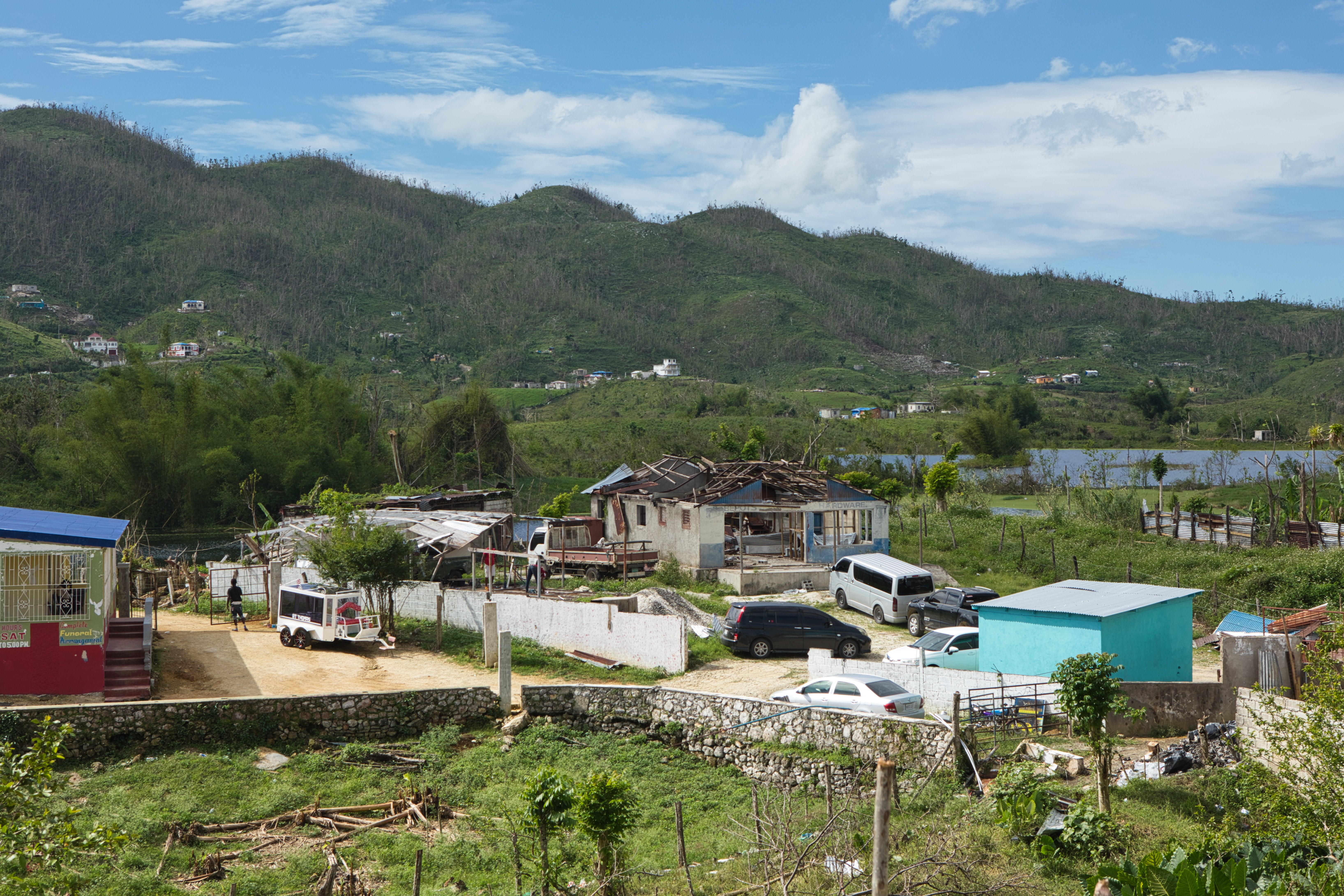
My trips from London to Jamaica are normally characterised by my seeking out of favourite foods. But as I packed for my trip in late November, I knew that this would not be a normal visit. When I first heard from my brother-in-law after the hurricane, he said there were ‘no vegetables anywhere’; my sister asked me to bring ‘easy-to-cook foods’ in my suitcase. Requests from family for solar panels, water filters and clothing were added to pleas for seeds, which I stashed throughout my luggage: beetroot, pumpkin, cucumber, courgette, lettuce and chilli. I boarded the plane, deciding to find out more about what people were eating, and how farmers were coping, in the wake of the hurricane.
‘It was a crazy experience’
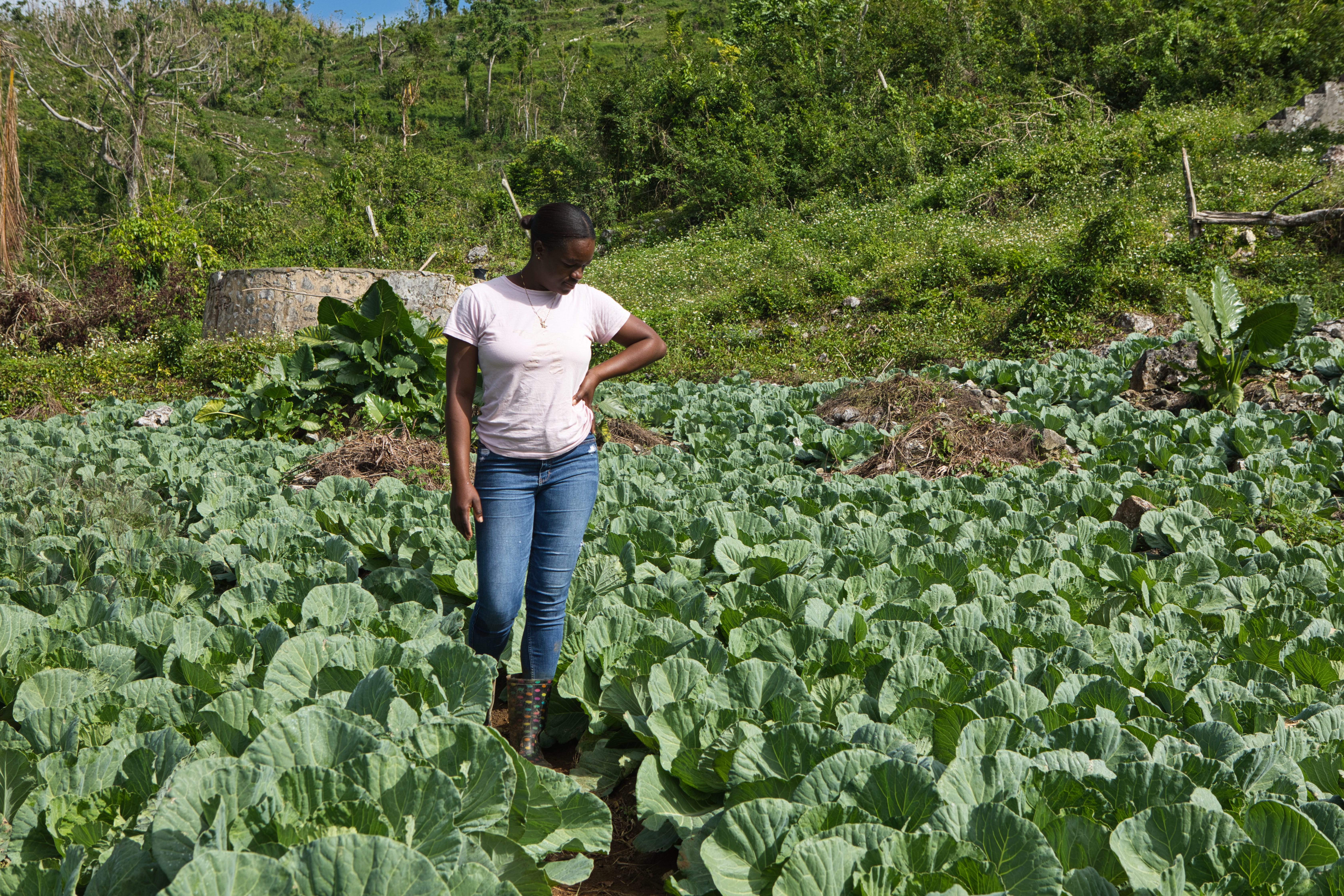
To eat Jamaica’s food is to learn the island’s history. In kitchens and restaurants, you will taste the movement of people, crops, animals and recipes that have been incorporated into the rich batter of Jamaican cuisine. Jamaica’s national dish, ackee and saltfish, pairs the fruit of the ackee tree – brought to Jamaica from West Africa – with salted cod, a food brought from the North Atlantic by colonisers to feed enslaved people. Jamaican curries are seasoned with scallions and country pepper, a chilli brought from Central America to Jamaica by the country’s indigenous Taíno people (who also originated jerk cooking, and who were almost wiped out by Spanish colonisers). Jamaica has continuously composted its histories of erasure and subjugation into vibrant and delightful dishes. The country’s motto – ‘Out of many, one people’ – could equally be ‘Out of many, one plate’.
However, long before Melissa’s disruption, the food system in Jamaica harboured many dysfunctions. Food is disproportionately expensive and import-heavy: in 2019, eating a balanced diet would cost someone on minimum wage 44% of their income, even when buying the cheapest available foods. The island also imports over 60% of its food. In an article in national newspaper The Gleaner, Carolyn Cooper writes, ‘Wi love foreign food too much. Coconut oil an powder did bad enough. From all bout: Trinidad an Tobago, Thailand, Philippines, Malaysia an Sri Lanka. Now dem a import coconut water? From Guyana? Wa mek?’
This reliance on imports has always struck me as strange, but it is a feature of a colonial methodology that has its roots in the plantation slavery of the seventeenth and eighteenth centuries, when Jamaican land was captured for the violent extraction and international distribution of sugar, while goats, chickens and preserved fish were brought from the Global North to feed those growing cash crops. While enslaved people and indigenous communities kept non-extractive food cultures alive in their homes, growing heirloom crops and sharing meals in their communities, the partial severance of people from the land restricted their agency and self-sufficiency. Layered onto this are unfavourable international trade agreements and an increasingly intensified global food system, all of which have caused food imports to increase steadily (while in 1950, food imports to Jamaica were a little over a third of the value of exports, in 2022, imports outweighed exports by four times). This means that Jamaica is heavily reliant on external markets, even more so in the face of disaster.
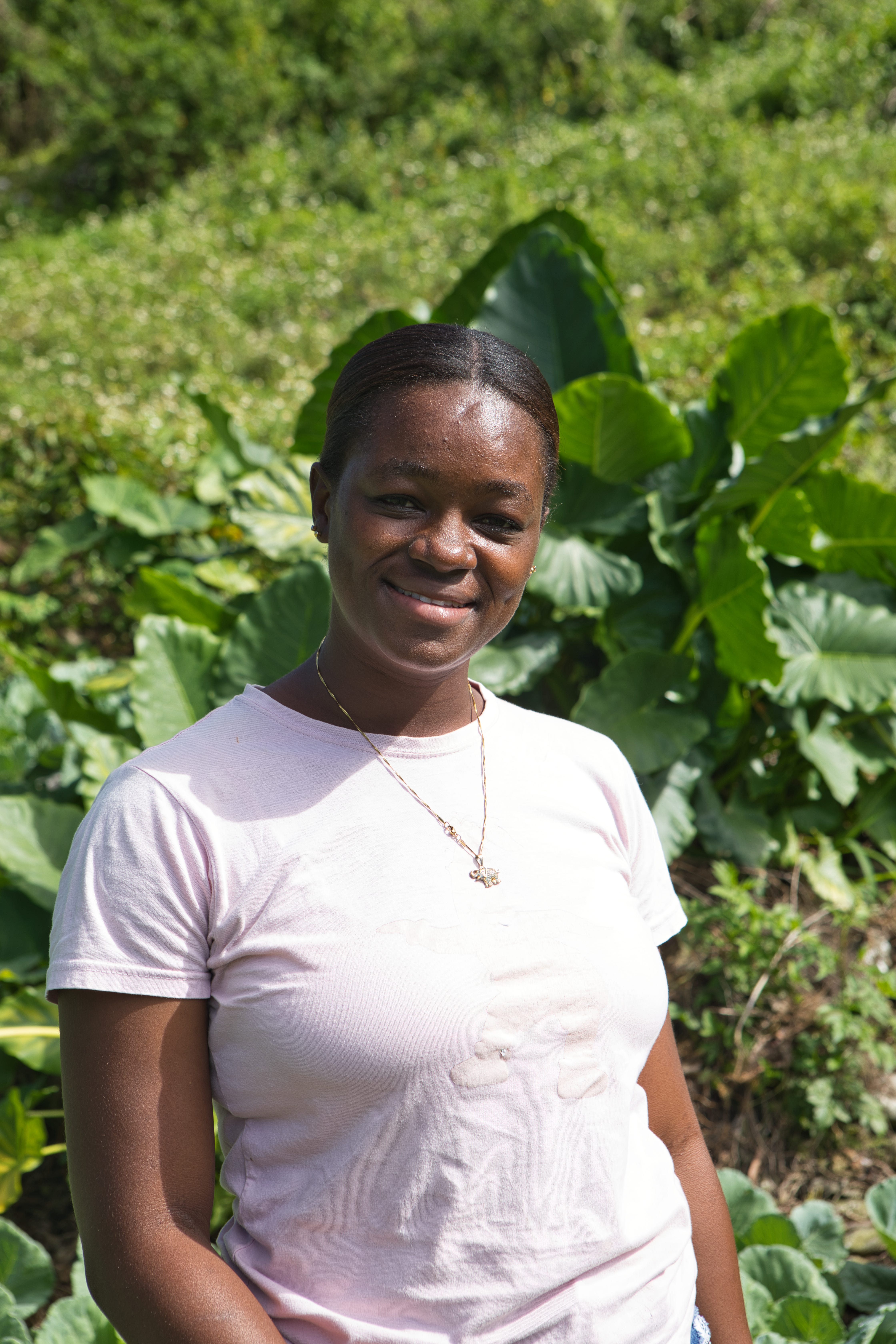
At the heart of this fragile system are farmers. A few days after I visit Bernadine’s stall, I drive to the parish of St Elizabeth – a thirty-mile journey from Hopewell that takes three hours on winding hilltop roads – to speak to Jessie, a cabbage farmer, about how she’s been recovering from the hurricane. She meets us on the roadside wearing wellington boots and a wide smile. The level of destruction is much more extreme here than in Hanover; most people’s roofs have blown off and been replaced by sheets of tarpaulin. Churches and schools are piles of rubble. Houses lie collapsed like stacks of cards, and flooding makes many roads impassable.
‘It was a crazy experience,’ Jessie tells me about the day that Melissa landed. ‘We had to evacuate the building through the window … and then when I go to the farm, I realise that I don’t even have a farm anymore.’ Before the hurricane, Jessie (who goes by ‘Farmer Girl Jessie’, but is Sherka Braham when she’s not in the fields) employed ten people and sold her produce wholesale in the local town of New Market. ‘It brings me peace to see my field just green and beautiful … Cabbage is a part of me,’ she says. Her field had 40,000 cabbages in it before it was flooded; all were lost. Following the hurricane, she replanted seedlings salvaged from the rubble of her greenhouse. On the day we visit, I comment that they are looking healthy, but Jessie corrects me. ‘There is some sort of residue left in the soil [from] the hurricane water,’ she says. Parts of St Elizabeth received a metre of rainfall, and the parish capital of Black River experienced storm surges of up to sixteen feet. Soils across the parish were polluted by floodwaters containing saltwater, sewage, chemicals and debris. ‘[It’s] burning the roots of the plant,’ Jessie adds.
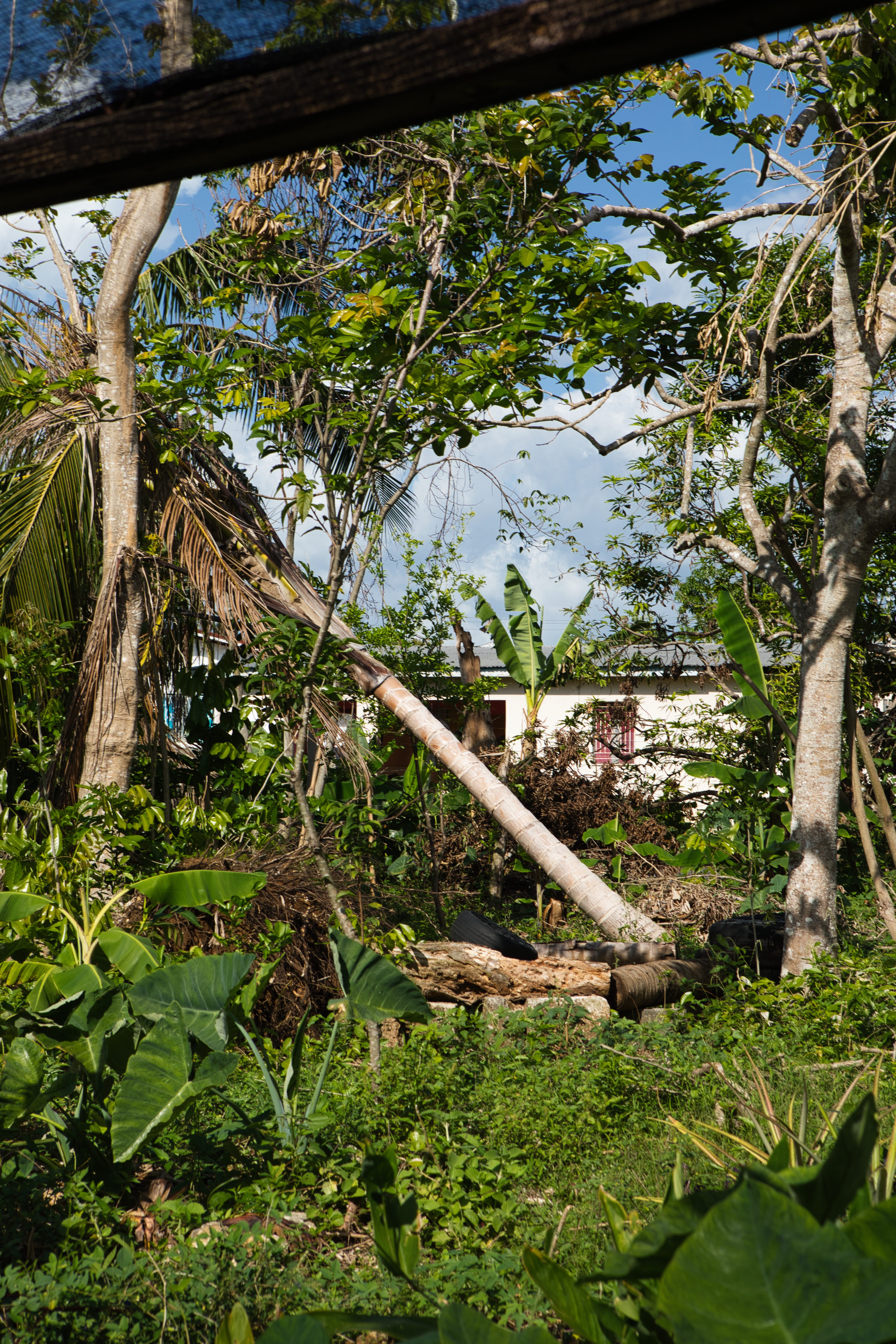
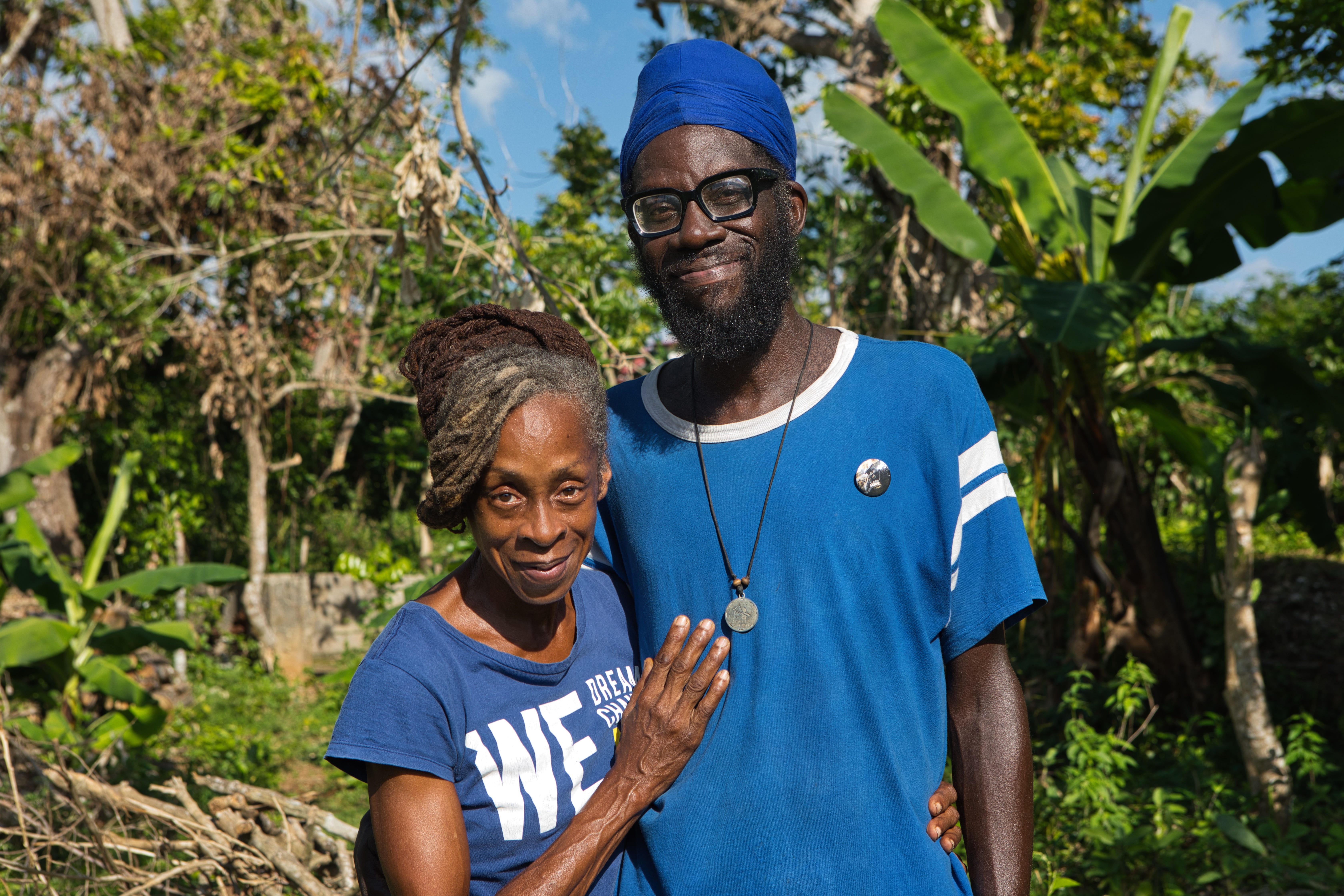
An hour away, in Santa Cruz, Dean and Michelle’s plot has also flooded. They are permacultural homesteaders, cultivating crops to feed themselves and selling herbal remedies. ‘This whole area, it looked like a lake … [it] ran into the house, up to the knees,’ Michelle tells me. As we walk around, they list the trees that they’ve lost: annatto, mango, ackee, banana, breadfruit, coconut. ‘Our first thing was needing a chainsaw … because everywhere, the trees were down.’
Insufficient Government Assistance
The 70,000 farmers across the country affected by the hurricane have been provided insufficient help by the Jamaican Government. The Minister for Agriculture, Fisheries and Mining promised in November to ‘start the distribution of $40 million worth of seeds through our Rural Agricultural Development Authority (RADA)’; however, by December, this has not had a tangible impact. Jessie says she ‘received a few packs’ of seeds from RADA (‘It’s not much, but I’m grateful’), but she didn’t get to choose the crop. When I speak to Valderine Biggs, a farmer near Gutters in St Elizabeth, she tells me that ‘RADA don’t really give [her] anything’. Valderine lost three-quarters of her chickens after Hurricane Beryl in 2024, but this ‘didn’t warrant assistance’, RADA told her. 40% of the country’s egg-producing chickens were lost in Hurricane Melissa and 41,000 hectares of farmland damaged, but government intervention for farmers has fallen well short of what is needed. In its absence, NGOs like the Jamaica Organic Agriculture Movement (JOAM) have provided short-term assistance, lending machinery to help with clear-ups.
Government food provision was also inadequate. Valderine tells me that army vehicles delivering food missed out her community: ‘They just drive straight through.’ Instead, communities self-organised and charities, again, stepped in. People spent Sundays travelling from as far as Kingston to communities in St Elizabeth and neighbouring Westmoreland in order to help with rebuilding, purchasing water, rice and saltfish along the way. Jessie tells me her community ‘received help from many different organisations bring[ing] food items’.
Chefs have also played a key role – not just in feeding people, but in keeping morale high. International charity World Central Kitchen coordinated the delivery of a staggering 40,000 hot meals every day from the start of November (they would deliver over 6 million meals by the end of January). Menus were designed and cooked by local chefs, who were paid by the charity. Local cooks everywhere stepped up too. My friend Barry owns a cook-shop near Lucea, beloved for its traditional puddings and fried chicken. The cook-shop’s roof was lost in the hurricane, but with help from his neighbours, Barry was soon back to cooking, making just one pudding a day instead of his usual three. By offering smaller slices for a lower price, at times even trading his meals for other goods, he ensured that everyone could eat.
‘I can’t afford to lose my crop to pests due to going organic’
One hefty intervention that the government has made is a chemical one. After Melissa, agrichemical company Newport-Fersan gave $25 million of chemical fertiliser to the country, with the agricultural minister praising them as ‘one of … our most loyal partners in the agricultural sector’. Government policy promotes the most potent pesticides as a response to storms: ‘Once you are anticipating … increased rainfall, from your hurricane[s] or storms, you want to make the switch over to systemic pesticides,’ reads a 2024 statement from RADA.
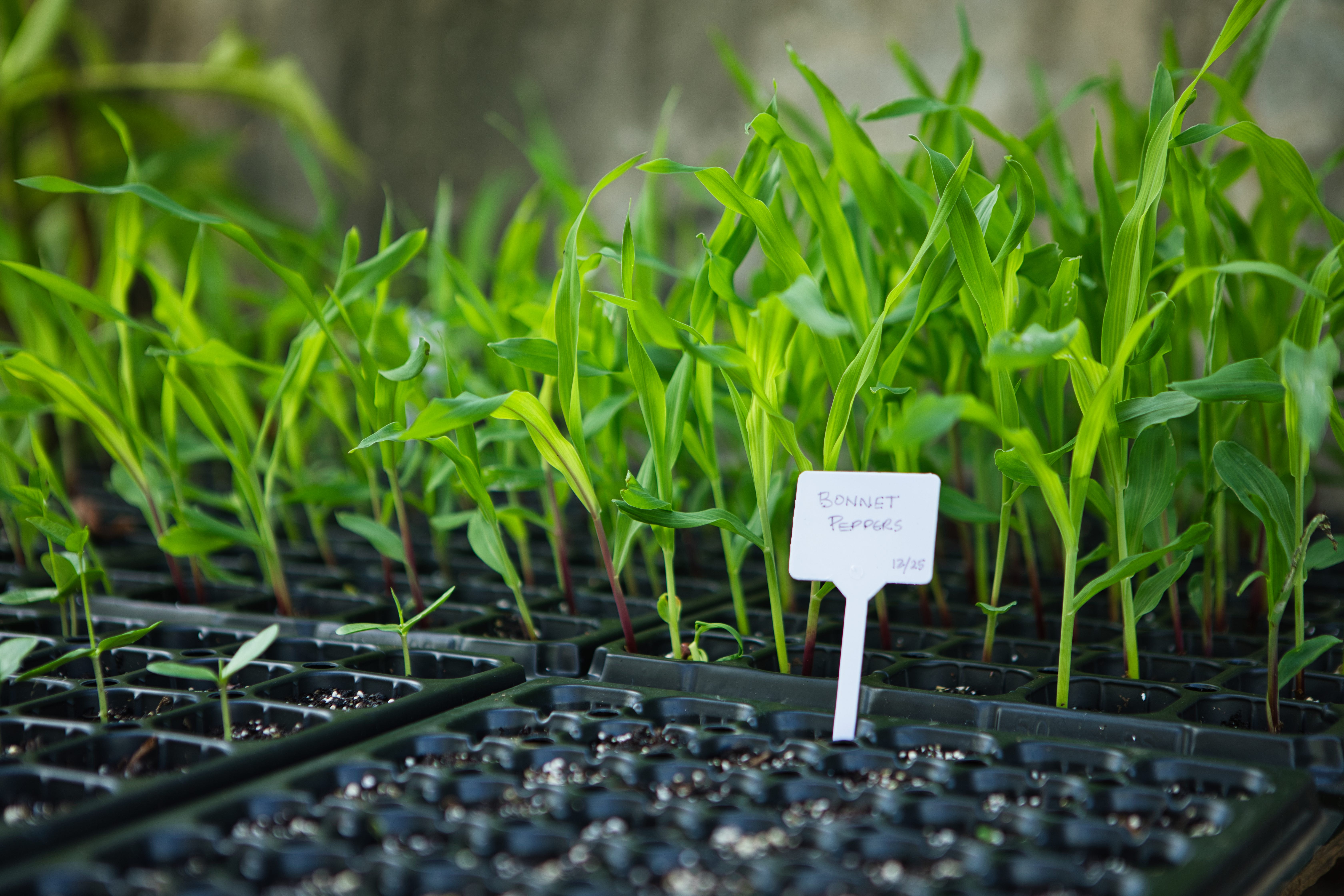
When I ask Michelle about this, she tells me Jamaican food is ‘pretty, but it dutty. We don’t grow clean.’ Jamaica has long depended on agrichemicals manufactured and distributed by multinationals such as Syngenta and BASF. A 2019 report by the Caribbean Poison Information Network (CARPIN) and the International Pollutants Elimination Network (IPEN) notes there have been ‘detected pesticide residues in soil and water since the 1990s’, including lethal levels of highly hazardous pesticides such as diazinon. ‘You go to the farm store. You get seeds that are treated, and chemicals. But if you ask for anything natural, them nah have it,’ says Michelle. Valderine echoes this: ‘Lots of farmers would want to go organic’ but ‘there is not enough organic products in the farm store’. So, she uses Caratrax and Sevin, broad-spectrum pesticides that harm life indiscriminately (Sevin contains some of the sixty-six pesticide ingredients used in Jamaica that are banned in other countries).
Pesticide manufacturers make profits at all levels of the food system: Jamaican company GraceKennedy – one of the country’s leading distributors of pesticides – is also an international food conglomerate whose products (ranging from beans to sodas) populate shelves all over the world. The agrichemical lobby puts overwhelming pressure on farmers to reach for chemicals to protect against disasters, despite their high price tag: Valderine tells me that ‘a small bottle of chemicals’ costs $5000 (~£25), just under a third of the weekly minimum wage.
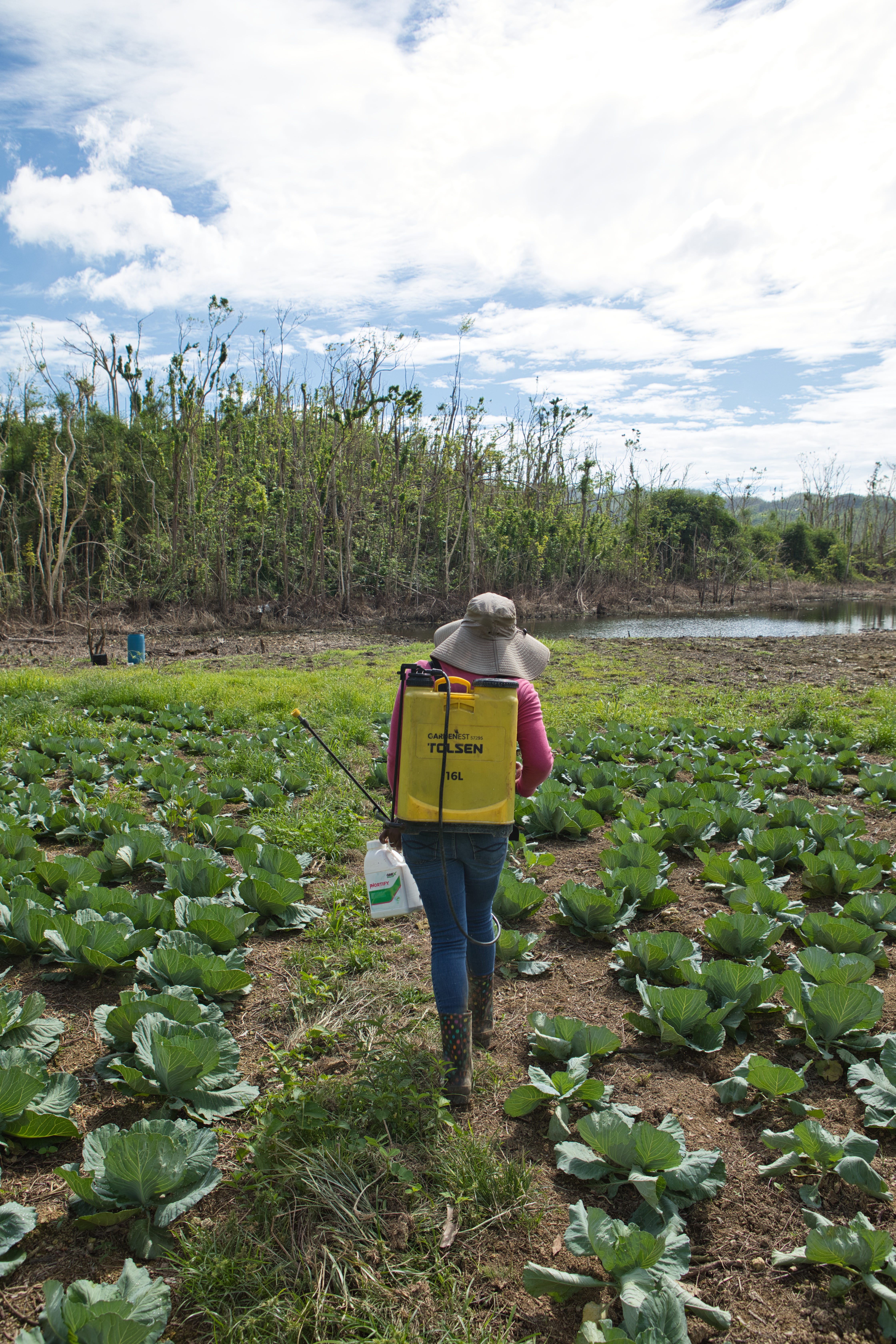
Neither do the chemicals always work. ‘Sometimes we don’t get what we pay for. Sometimes our farms are infested totally by pests,’ Jessie says. Despite this, when I drive around St Elizabeth in December, many people are wearing knapsack sprayers, and Jessie tells me that she’s used additional pesticides in the wake of the storm. ‘I can’t afford to lose my crop to pests due to going organic,’ she says.
‘These are important skills’: Relying on Indigenous and Community Knowledge
When I’m back in wintry London in January , I phone Valderine. She is planning to plant melons ‘which the price is going to be good for soon’, but it is the dry season in Jamaica, so she is fixing her irrigation system, which will take ‘some weeks’. As she speaks, I am hoping that her price predictions pay off. As if reading my mind, she tells me there is a glut of cucumbers, tomatoes and cabbages, after a flurry of planting in November. ‘People are hungry, but vegetables are rotting in the ground,’ she says. ‘The government should be taking the extra and giving it to schools. They should be tinning up the tomatoes, but there is nowhere to process them.’


Though Jamaicans are at the mercy of dysfunctional systems, they possess a deep well of ecological knowledge, passed down from African and indigenous Caribbean cultures. ‘What the older farmers used to do, which would have been considered organic … [was] just using what was on the land, using ashes and different means to fertilise [their] plants,’ Latoya Panton, a farmer in Eastern Jamaica, tells me. In the aftermath of Hurricane Melissa, Latoya started ‘Seeds of Hope’, sending free seeds to farmers around the country. This was well received; in the second phase of the project, she is focusing on heirloom seeds and ‘teaching [farmers] to save the seeds, then pass them on … each one, teach one.’ These skills are important, she says: ‘should there ever come a time where we just don’t have access to the seeds or the fertilisers coming in, then what’s going to happen?’ At Source Farm in St Thomas, Nicola Shirley-Phillips teaches permaculture design, rooted in indigenous practices from Africa and Central America. Her focus this year is on supporting farmers across the island in rebuilding their farms to be storm resilient. ‘We found that farms using organic and permaculture principles fare better [after storms],’ she says.
Many still use these methods in their home gardens, even if they depend on chemicals for their farms. When I gifted Jessie some heirloom seeds that I brought from the UK, she said she would ‘plant these in my home garden’, which is ‘more organic’. Valderine, meanwhile, intends to build permanent beds, as she knows they are more resilient against floodwater. She is already making organic applications and saving seed from her callaloo plants. Despite the industrial and chemical-dependent practices being pushed by government institutions, heritage crops and techniques remain a cherished cultural value.
Jamaica is celebrated globally for its food, and its diaspora keeps versions of the cuisine alive. Yet food producers in Jamaica are barely surviving, and its inhabitants struggle to access food that is healthy, local and ecologically grown. These problems are entrenched within the global food systems that implicate us all. Like many countries in the Global South, Jamaica continues to be pushed towards the kind of development that the Global North has modelled, while neoliberal Western capitalism is already eating its own tail. In the midst of increasing wealth inequality and exacerbated climate change, vibrant food cultures – and the producers and ecosystems that sustain them – are slowly being asphyxiated.
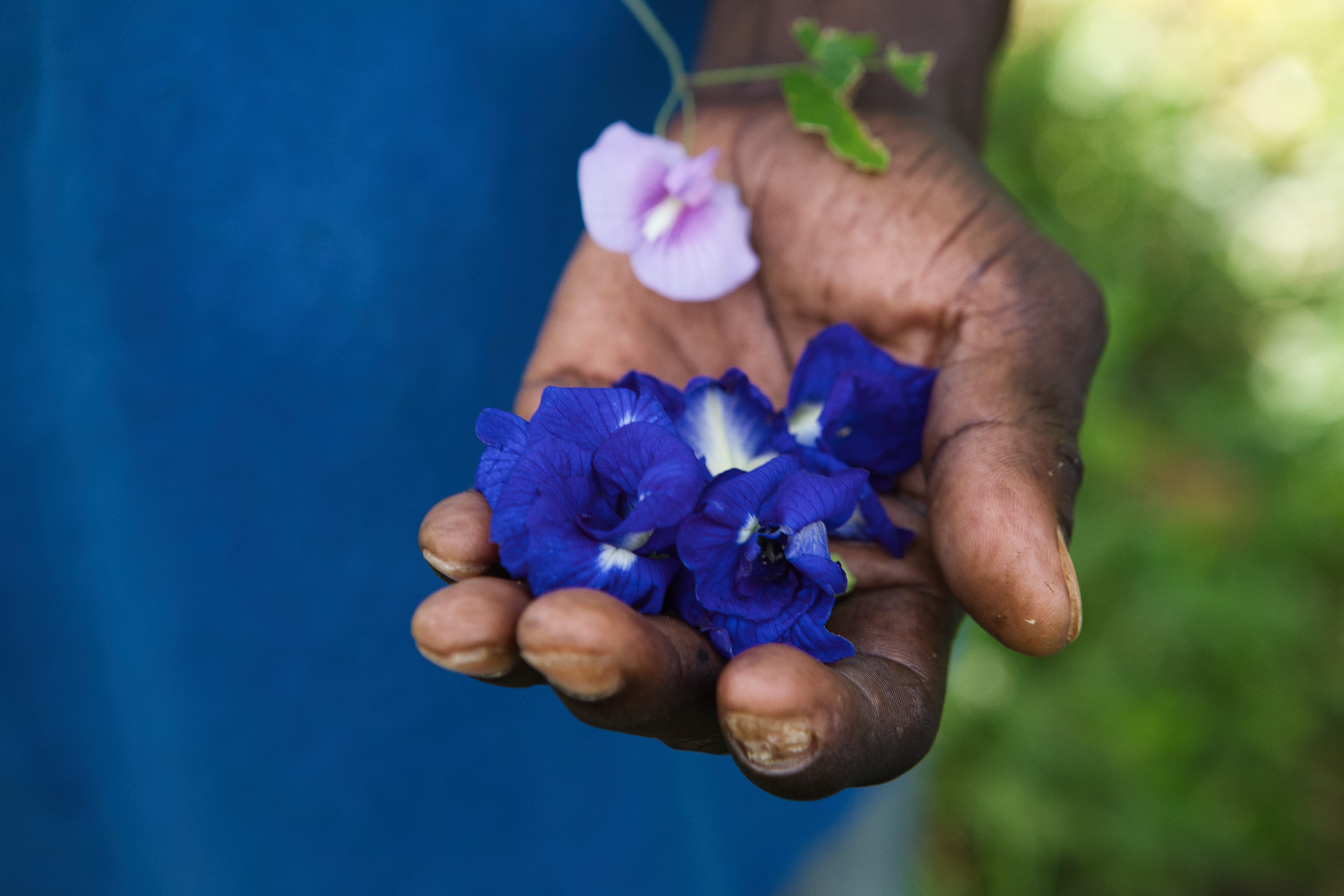
At the start of 2026, communities are practising getting on without government support. Wealthier people are buying generators and becoming refrigeration hubs for neighbours. Those who have chickens left are gifting bowls of eggs. These acts of generosity and collaboration are crucial for survival, and provide hope in times of crisis. Farmers and communities clearly have the capacity to adapt to challenging times, but the food system cannot rely only on their resilience.
When reflecting on the hurricane back in December, Jessie said, ‘I’m grateful I have life and I can pick up the pieces. You have to keep moving, one foot and the next.’ But when she posts a video online a few months later, I sense her optimism is wearing thin: ‘There is always an issue,’ she says. Farming is a hugely risky livelihood in Jamaica. With the prospect of increased weather instability in the future, farmers require better infrastructure, more autonomy and long-term solutions that decentre corporations. ‘Being a farmer is a gamble not everyone can win,’ Valderine tells me. ‘But a bird doesn’t cry when he loses a feather, because the feather can grow back.’
Support Jamaican Farmers
Jessie’s Go Fund Me can be found here; her Instagram is @FarmerGirlJessie.
You can find Michelle at @mitchelledawn on Instagram and Michelle and Dean’s farmstead and regenerative forest garden at @omowalefarmsteadjamaica.
You can find and support Seeds of Hope on Instagram.
Source Farm is on Instagram; you can also donate to them.
Related Reading
‘Bittersweet Waters’: How British dam engineering policies created food scarcity in Pakistan by Zubair Ahmed Pirzada
‘Sowing Solidarity: How Lebanon’s Wineries Remain Rooted’ by Farrah Berrou
This is our Indigenous Food’ by Makepeace Sitlhou
Credits
Dora Taylor is a freelance writer and chef, and an activist working around social justice and sovereignty in food systems. She writes journalism and poetry, and makes podcasts as part of the Farmerama Radio team. She is based between Hanover, Jamaica and London, UK.
Ailsa Jones is a freelance photographer based in Negril, Jamaica. Her Instagram is @ailsajonesphoto.
The full Vittles masthead can be found here.
Fantastic piece, thank you for writing Dora
Really grateful to have read this and proud of my people, thank you! Both my grandmas were from St Bess and some family will be visiting JA later this year. Looking forward to seeing how things have progressed and will donate 🙏🏾