

‘Once Queensway Market is gone, there won’t be anything like it left.’
Redevelopment threatens another of London’s best food markets. Words by Zoe Suen. Photographs by Zaineb Abelque.

Good afternoon, and welcome back to Vittles. First of all, thank you so much to everyone who came out to the Food in Print Fair at the weekend to support independent food magazines. We hope you found a new favourite publication, or were inspired, perhaps, to start your own. A huge thanks too to FatBoy Zine and Pit who put it on with us. We’re already thinking about next year…
The fair means we have officially sold out of Issue 1 of our print magazine, but we do have some copies of Issue 2 left. If you haven’t got it yet, then make sure you don’t miss out.
Unfortunately, today’s newsletter is about a subject that is becoming a running theme in London: evictions of small food businesses. Frankly, in the last ten years of writing about food in the city, we have never known it to be so bad. In October last year, we reported on the evictions at Castle Square, which included one of London’s best restaurants – Kaieteur Kitchen. Last month, it was Brixton Plaza. Last week, we reported from the protests at the Ridley Road Indoor Market.
Today’s newsletter by Zoe Suen reports on perhaps the biggest story of all: the proposed evictions at Queensway Market, which houses some of central London’s best restaurants, including many we have recommended over the past decade. What these evictions show is that, despite acclaim from food publications or hidden-gem reels, the survival of some of London’s most accomplished restaurants is dependent on precarious, short-term contracts and the whims of landlords and developers. There is a petition to sign here and at the end of this email, but do please support these businesses in person: both with your continued custom, and, when the times comes, by showing up for them.
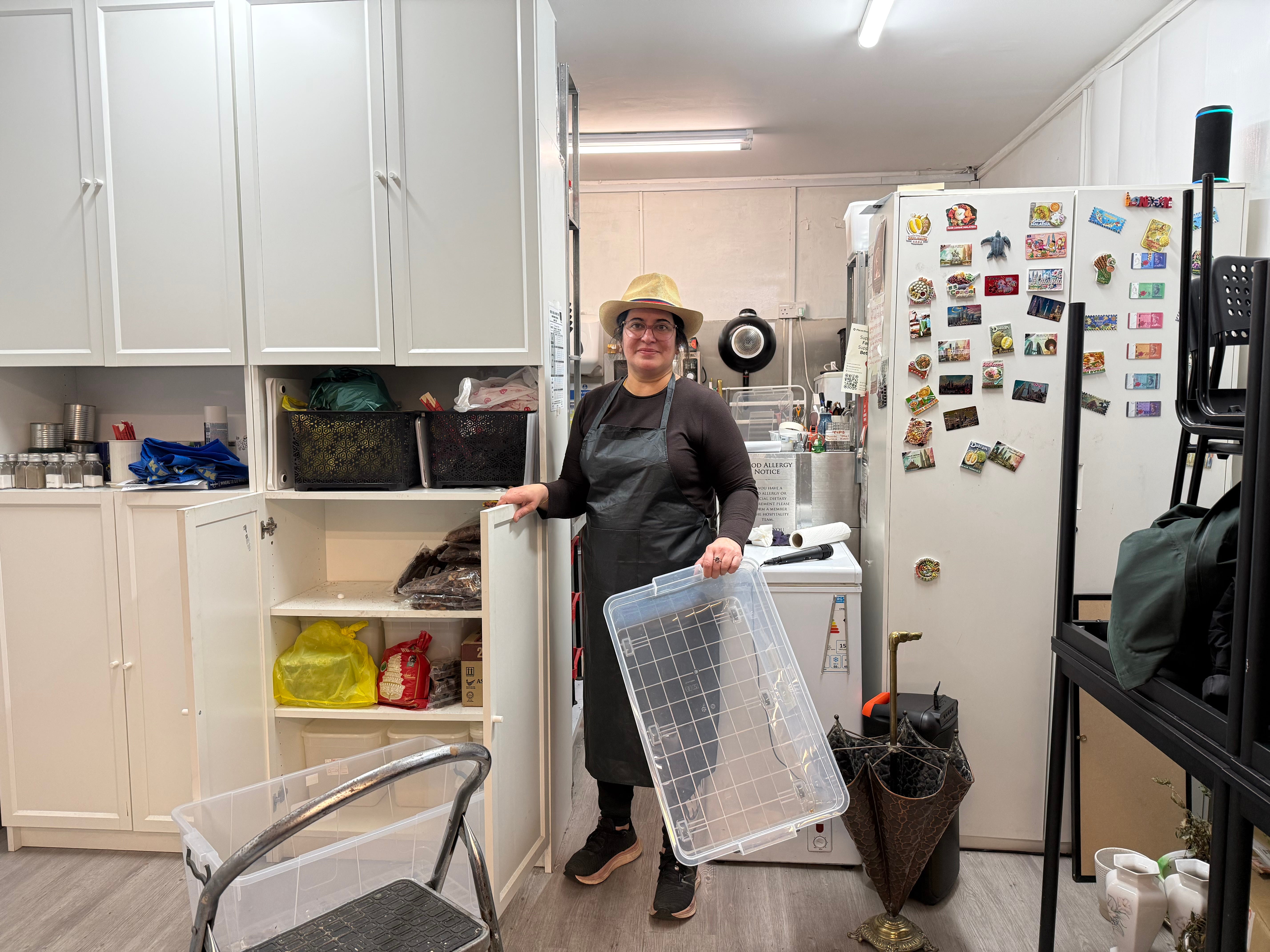
In 2024, Rafidah ‘Fidah’ Aslam left the West Midlands to set up Kampong Bites, a casual Malaysian food stall in London’s Queensway Market that serves nasi lemak, char kuey teow, and teh tarik. Ten years earlier, Fidah, a single mother, had quit her engineering job to sell Malaysian curry puffs from home, enabling her to spend more quality time with her sons. After selling her pastries in Aldridge and Nottingham, she wanted to try her luck in the capital.
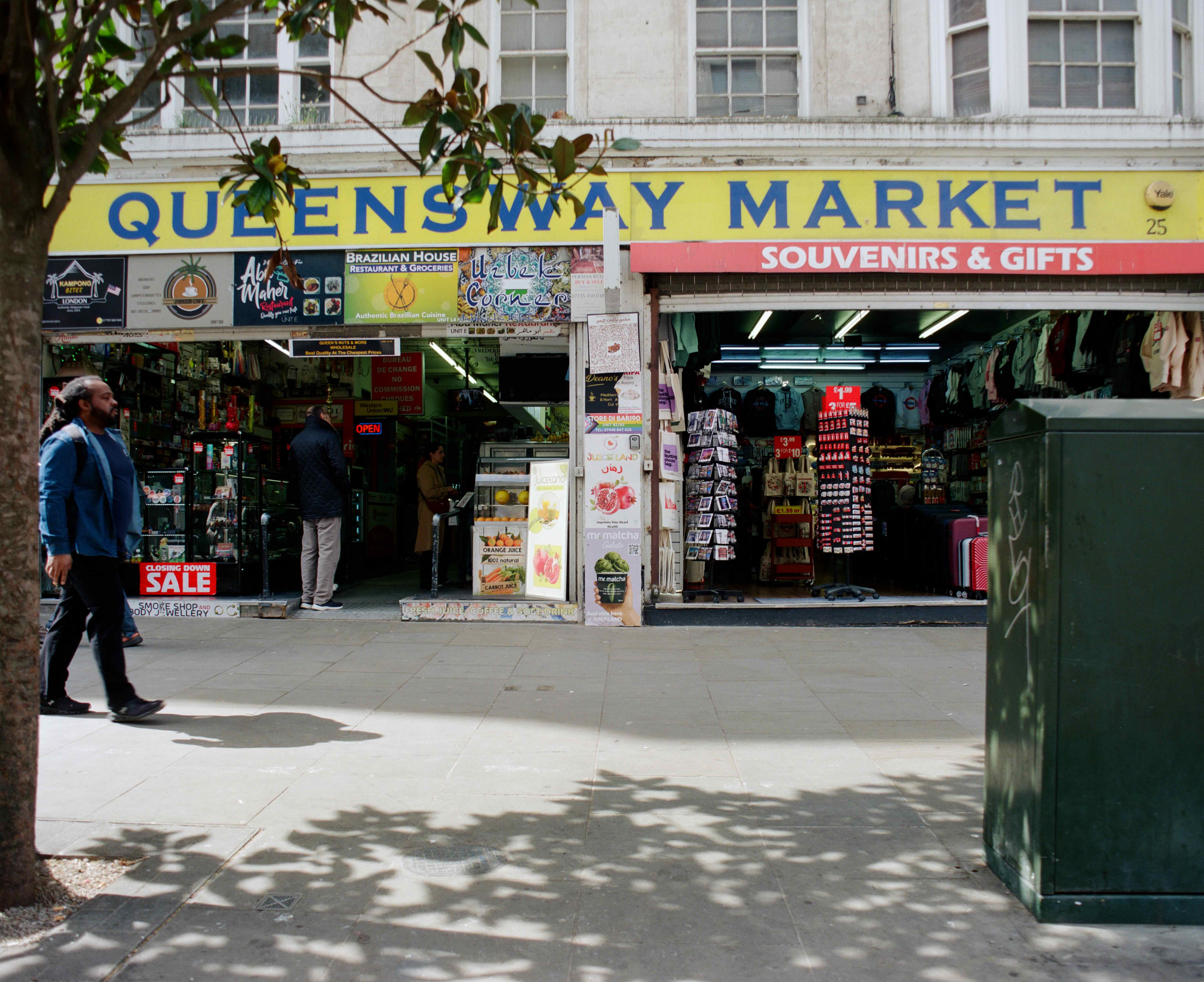
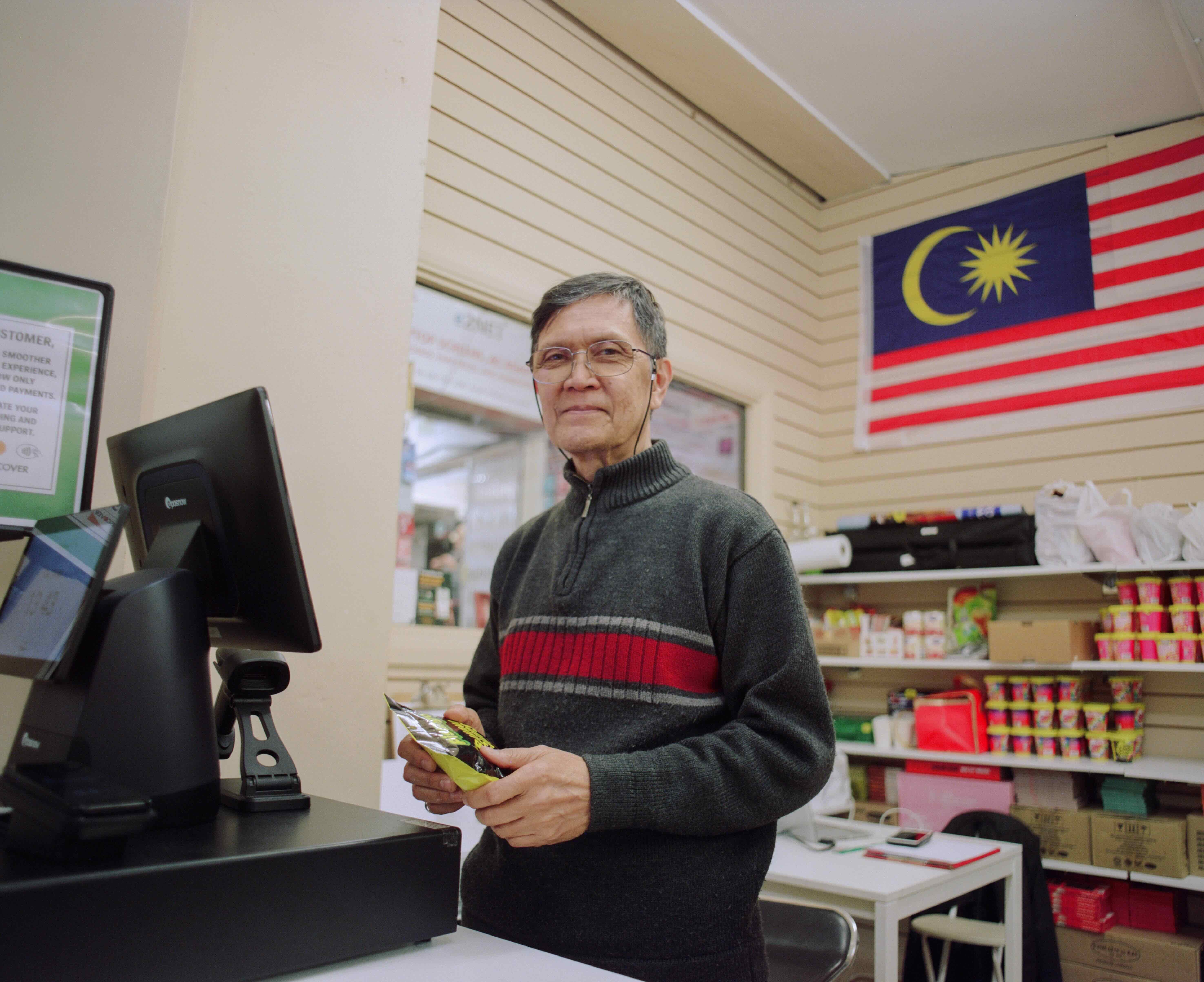
She was drawn to the indoor market, which is at the heart of Queensway’s ‘Malaysian village’, partly because of its diversity (Queensway is also home to Greek, Russian, Brazilian and Arab communities) and partly by the low costs, which made it a hub for accessibly priced and acclaimed food. Inside its dense maze of ‘anything-goes’ vendors selling iPhone repairs and bargain haircuts, you can find beloved restaurants like Uzbek Corner, Brazilian House and Syrian spot Abu Maher. By opening in the market, Fidah was joining a winning Malaysian contingent headed by Cham Kampung Boy and, of course, Normah’s, which for years has been touted as one of London’s best restaurants.
Soon after Kampong Bites opened, Fidah began to hear rumours that the market might be in danger of closing. This was nothing new: the market has, for decades, yo-yoed between closure and a charmingly chaotic brand of business as usual. There were often investors sniffing around and contractors taking measurements, but nothing ever came of this interest, longtime tenants assured Fidah.
But in early March, the management team warned her in person that ‘the place 100% would close’. A fortnight later, on 20 March, traders were served break notices stating that their leases would be terminated on 23 April by solicitors acting for their landlord, Happybadge Limited (a company founded by Bourne Capital, which counts Ronnie Scotts among its property portfolio). Since the notices were served, a one-month extension has been granted, meaning that the market is now scheduled to close for good on 23 May. Most of the tenants are speaking to a solicitor, although management is offering to relocate those who do not do so to a stretch of stores around the back for four-to-six months.
When I spoke with Fidah last week, she was packing. ‘I found this place and put my heart into it,’ she tells me, scrolling through photos of the renovations she paid for with £30,000 in life savings. ‘It’s heartbreaking.’ Despite the substantial personal investment she made in the site, as a recent tenant, Fidah says that she isn’t entitled to much compensation.
The traders have learned since being served notice that at least a chunk of the market is destined to become a Whole Foods (the Amazon-owned retailer is on an opening spree, with another new outpost planned a ten-minute walk away in Notting Hill Gate; there’s already a branch within walking distance on Kensington High Street). A rumour is circulating that the remainder of the site will become a gym. The fate of Normah’s, Cham Kampung Boy, Riz Garden and Uzbek Corner – which have been written about extensively in this publication or elsewhere as being among the best food stalls in the capital – remains uncertain.
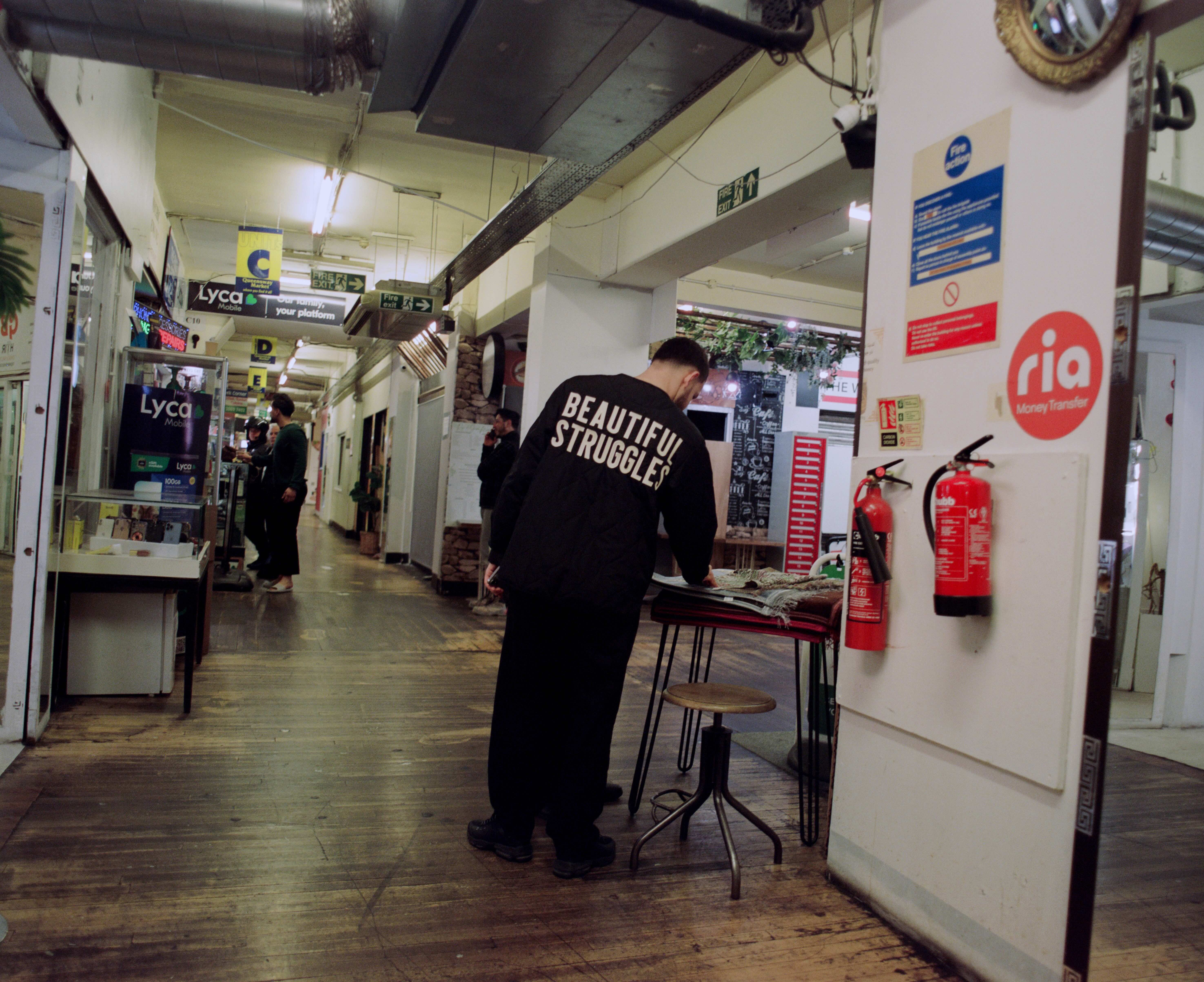
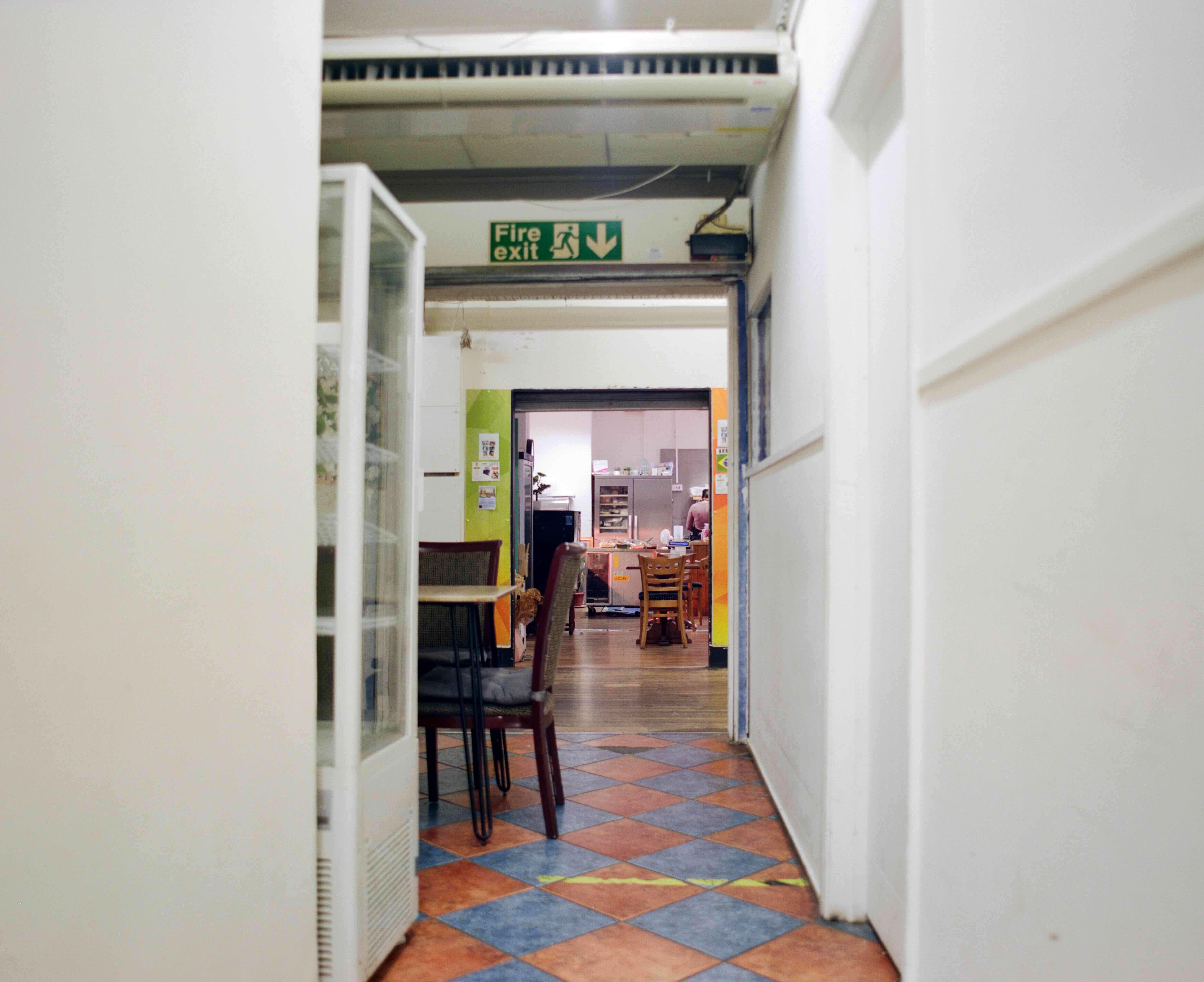
Queensway Market is the latest, and most high-profile, potential casualty in a wave of redevelopments targeting London’s most diverse and affordable indoor markets – from Brixton Plaza to Ridley Road. Located amid some of London’s most expensive real estate, the market is a curious anomaly – a ramshackle, suburban mall right in the centre of the city. It was originally part of the Queens Ice Club, the 1930s predecessor to Queens Skate Dine Bowl (which is now located next door), and was converted to retail use in the late nineties. For nearly two decades, it operated on a series of temporary planning permissions, which effectively placed it in a state of perennial limbo.
Consistent lease renewals helped Queensway Market to survive despite opposition at times from Westminster Council and some locals, while its temporary standing kept it affordable for independent traders. However, this lack of long-term security also left the site vulnerable when a wave of gentrification hit the area in the 2010s – a few years after the market was acquired by Happybadge in 2007.
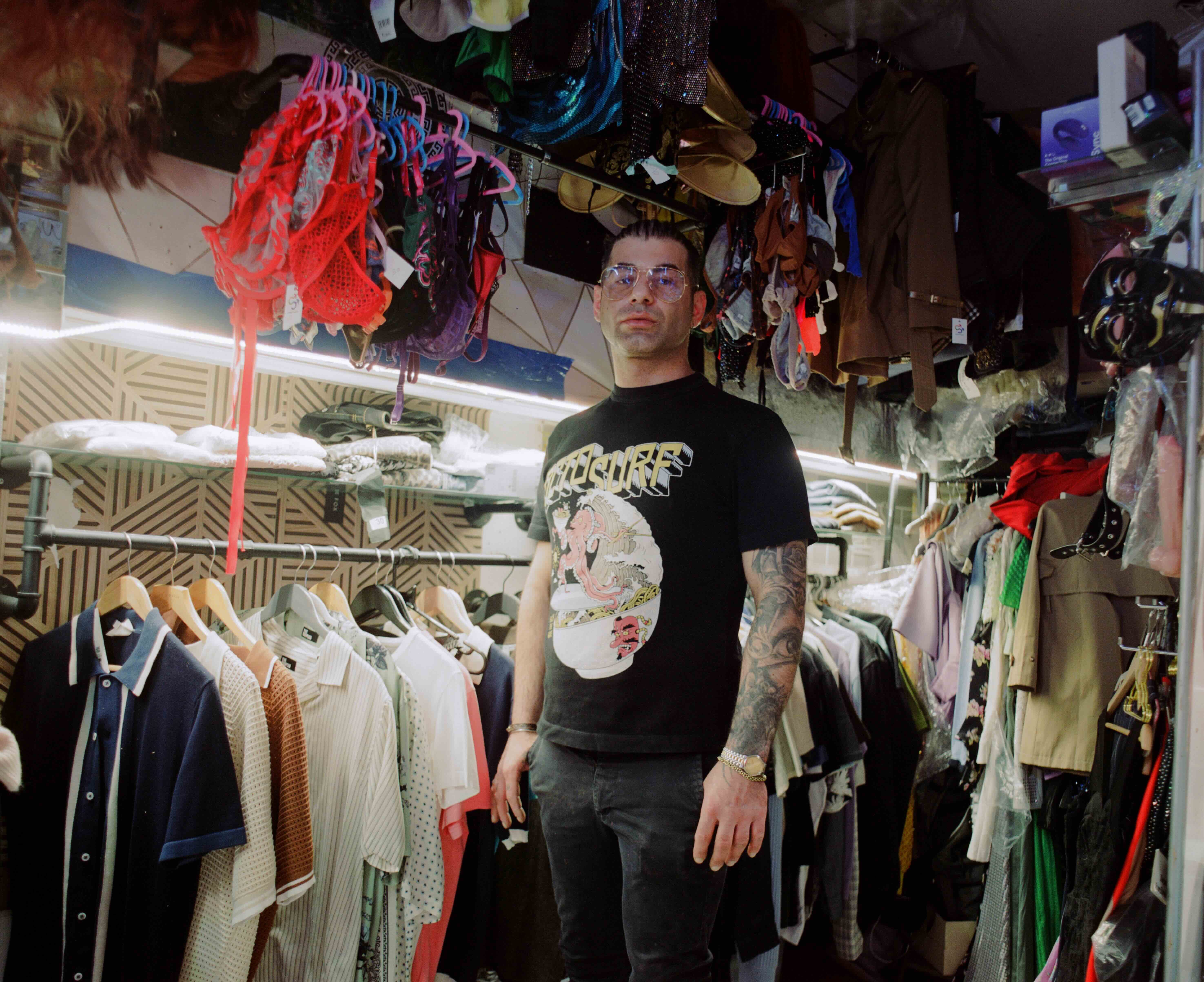
In 2013, a consortium led by Meyer Bergman (now known as MARK Capital Management) and the Brunei-backed fund SIAHAF consolidated much of Queensway’s real estate, including the landmark £115 million Whiteleys shopping centre (now rebranded as The Whiteley). By the end of the year, the consortium controlled around 75% of Queensway’s properties, paving the way for large-scale redevelopment.
Now, opposite Queensway Station sits Park Modern, a £500 million apartment block, on the ground floor of which resides Jeremy King’s restaurant The Park. Although some hoardings are still up at The Whiteley, open businesses include a Third Space gym (somewhat ironically named), a gallery, a Guillam coffee branch, an Everyman Cinema and a branch of the five-star Six Senses hotel. The price of the luxury apartments in the upper floors of the former shopping centre – with one-bed flats going for £1.85 million a five-bed penthouse on the market for almost £40 million – gives a sense of the target customers for gentrified Queensway businesses.
‘We actually like the grit and grunginess of Queensway,’ Neil Jacobs, the former CEO of Six Senses Hotel Group, said in an interview with Spear’s last January. ‘Although the gentrification of the area will be well received, we don’t want it to change too much.’
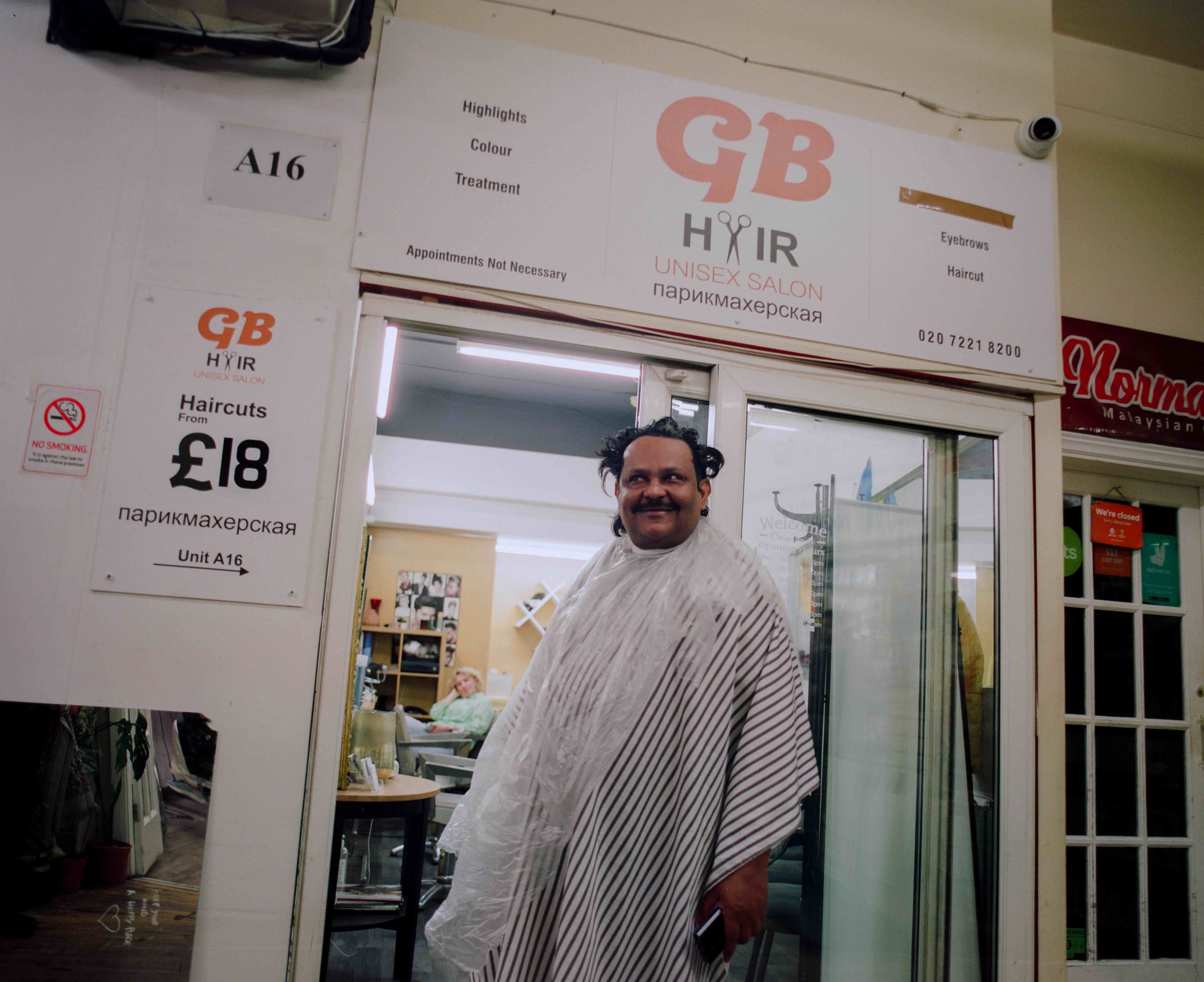
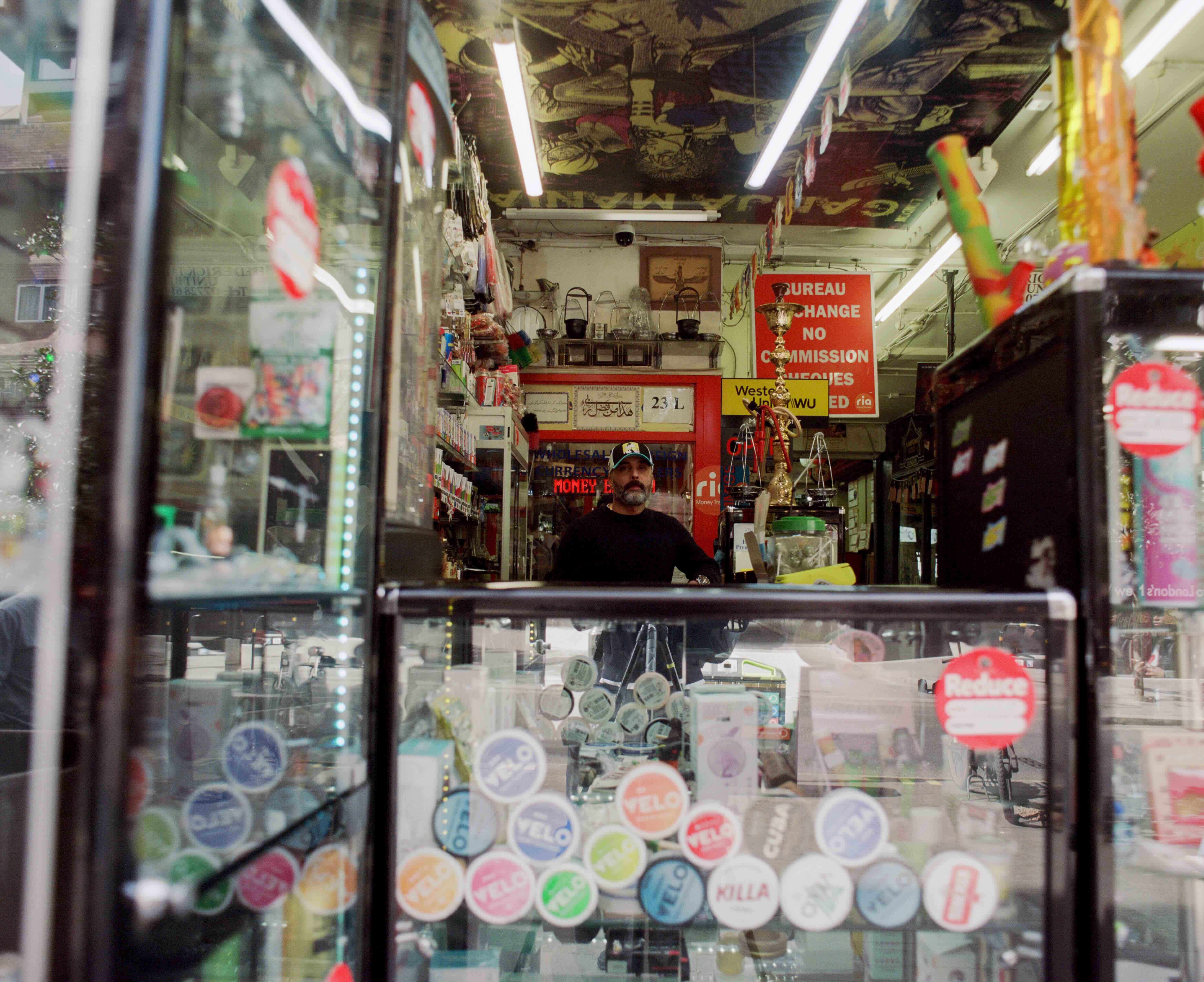
The effects of redevelopment are also visible elsewhere. Along Queensway, other sites are in limbo; opposite The Whiteley, storefronts are boarded up, destined for demolition. Having lived in the area for years and eaten at its restaurants more times than I can count, I can’t help but see Queensway Market’s fate as a harbinger of the future for other independent restaurants in the vicinity, establishments that are increasingly anomalous in central London as VCs and developers mould more and more neighbourhoods into a whitewashed, palatable urban pockets infused with cherrypicked Euro-aesthetics for good measure (case in point: the Queensway Steering Group, which includes Bourne Capital, has laid out plans for pavement dining en terrasse).
The irony is obvious, but staggering: the virality and acclaim of places like Normah’s is proof that the very things developers are working to ape – culture, community, character – are most concentrated in the very sites they’re gutting. As Mohammed Ali Salha put it, Queensway Market is ‘a place that’s doing what The Whiteley or other developments and food halls hope to accomplish (and rarely do), which is to incubate unique, imaginative food talent’.
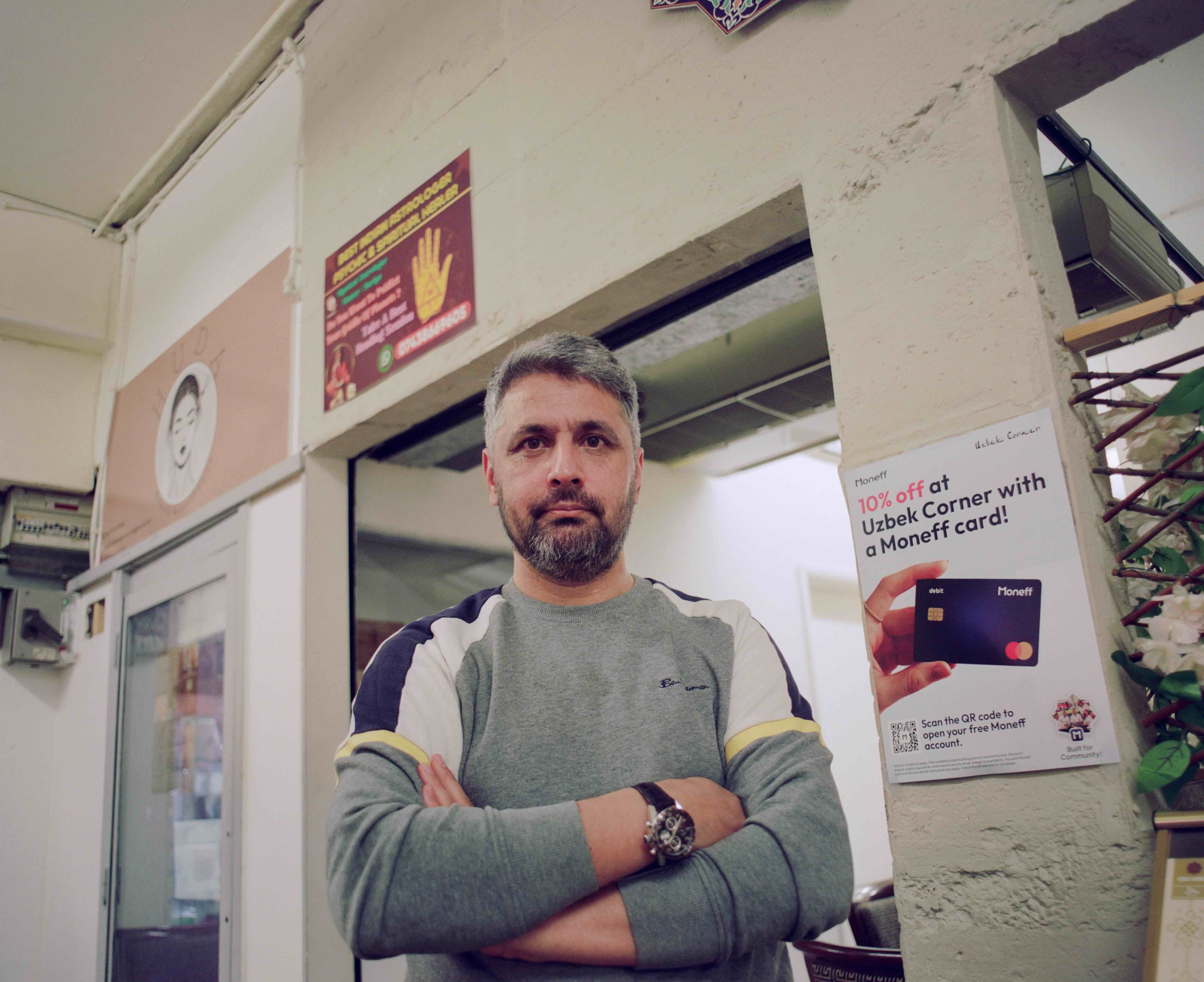
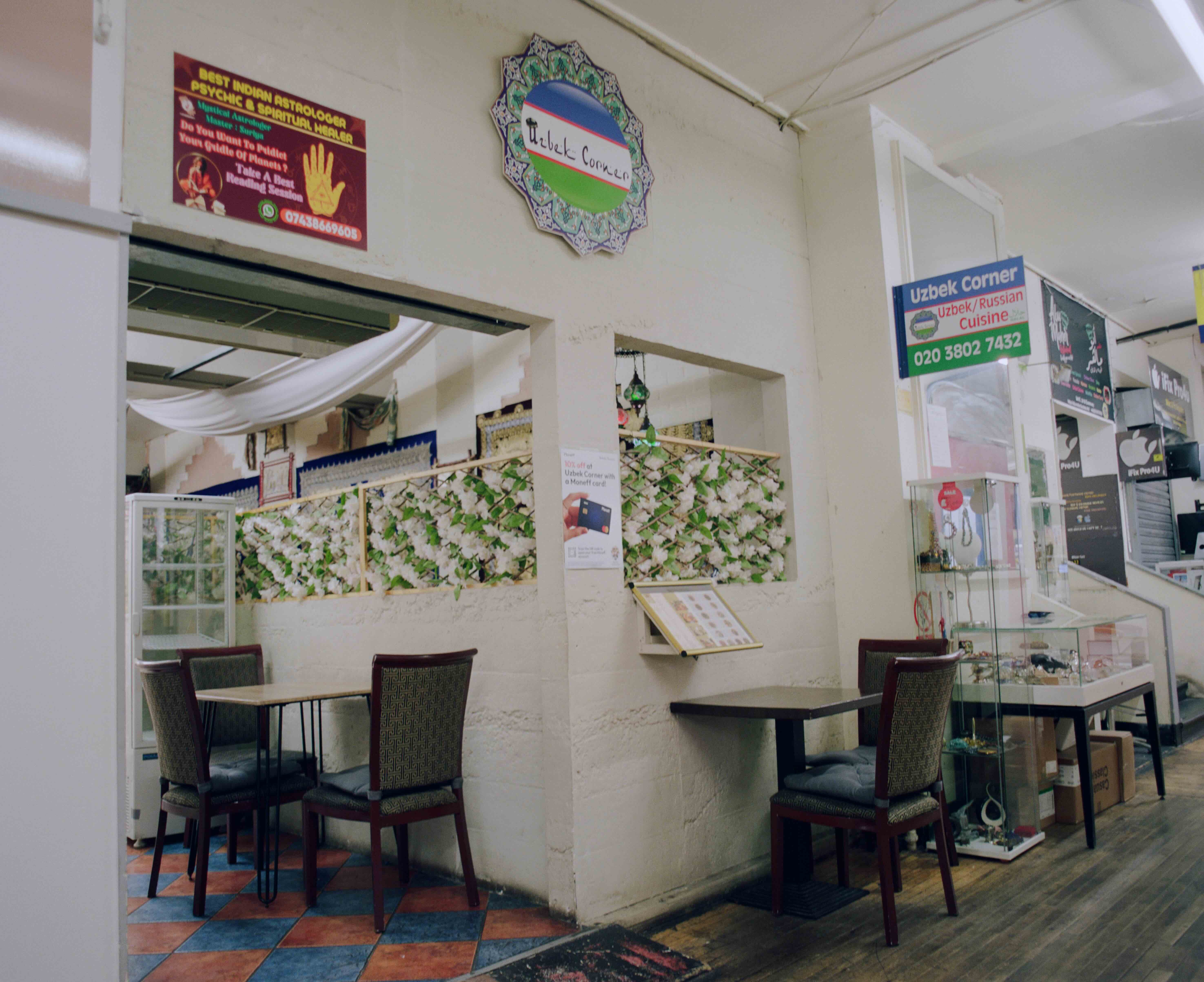
And though the market’s history of temporary planning permissions discouraged landlords from investing in the site, its vendors have done the opposite. Like Kampong Bites’s Fidah, Zafarjon Odinaev, who opened Queensway Market’s Uzbek Corner with his brother, invested heavily in his unit. He estimates that he’s poured over £100,000 into the kitchen and interiors. Zafarjon, like almost all the other vendors I spoke to, lives locally. ‘We built a community over ten years, and now we have to tell them we are closing. It is not enough time; it is not acceptable,’ he says. ‘As tenants, we should know what’s going on, but it seems we are the ones running after them.’
As I speak to vendors, I glimpse the market’s ecosystem at work, as well as its place in the wider organism that is Queensway. Fidah takes me to chat with Muna Noor, who for eight years has helped run the Sudanese spot Zanoor Café, the go-to for coffee, karak tea and basbousa for those leaving the market’s community mosque. Riz Garden’s Michelle – whose Cantonese desserts, such as red bean soup and black sesame soup, have sustained my cravings since she opened in mid-2025 – gets her screens fixed by fellow traders. Luai Gabani, who’s leased a spot for computer repairs since 2002, takes his family to Normah’s, Uzbek Corner and Zanoor Café. Mohamad, who has run the market’s juice stall since 2009, tells me his customers live near Joe & the Juices but buy his drinks instead.
‘You might be able to get better coffee elsewhere, but here, you aren’t a stranger,’ Khaled Heidar, a longtime customer at Zanoor Café, says. ‘You’re treated with care and love. It’s like walking into your own house.’
Though they have loyal friends and clients on their sides, Mohammad Zaiaznoorrul Shah, who serves Malaysian classics like nasi lemak at Cham Kampung Boy, echoes a common sentiment: the vendors aren’t equipped to fight the evictions. ‘I’m upset, but what can I do? I’m just a small potato. I have to look for somewhere else,’ he tells me.
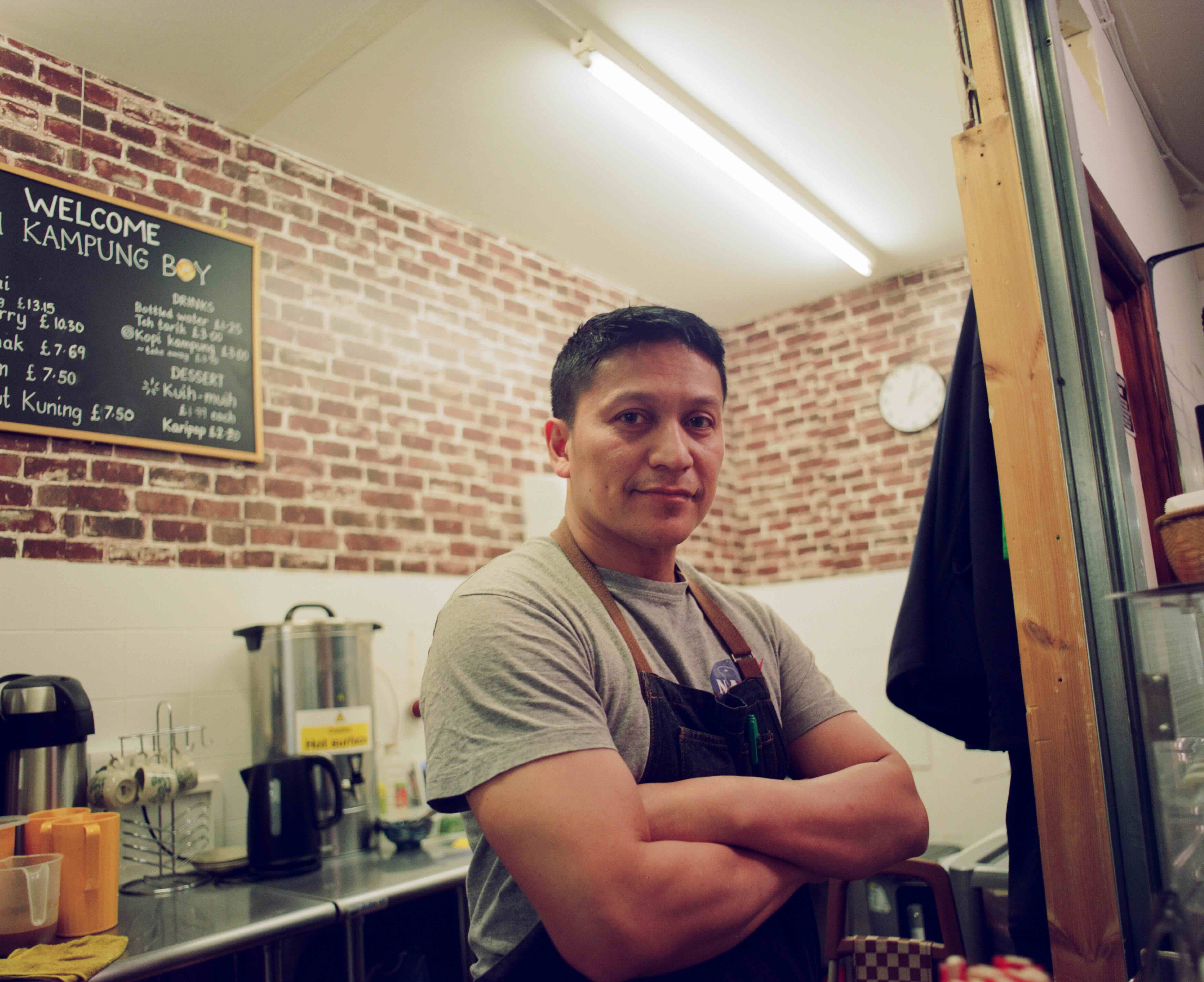
Like Fidah, Michelle and Zafarjon, Mohammad has built a community of customers through word of mouth and social media. But also like the others, he’s struggling to hatch a plan that doesn’t entail high rents. Fidah paid £450 a week, electricity included, in her first year at the market, and £472 in her second – a fraction of what it costs to rent a commercial space in most of Central.
Amid the ongoing spate of evictions across London, Queensway was proof (perhaps most of all) that uncurated food spaces could exist in the heart of the capital and thrive, not in spite of their unglamorous locations but because of them. But as the other markets hang in the balance, some of the best restaurants in the city face the very real possibility of having nowhere to go.
‘There is no point if I have to sell a dish for more than £20 – people won’t come anymore,’ Mohammad says. For him, the market was always meant to be a stepping stone to a permanent space, but if he can’t find a reasonably priced alternative, his plan is to go fully online. It’s an option Michelle – who is looking for spaces in Queensway and Paddington, as she doesn’t want to lose her local clientele – is also weighing.
‘Some vendors say they’ll put money together and share a space, someone suggested renting a big space to all move to,’ she says. ‘But it’s all talk so far, all up in the air.’
A petition to stop Amazon from turning the market into a Whole Foods currently has amassed over 1,000 signatures. But as things currently stand, London is set to lose one of its most vital food and community hubs – one that is so its own suspended time and place that it couldn’t exist anywhere else. Once Queensway Market is gone, there won’t be anything like it left.
Credits
Zoe Suen is a Hong Kong-born, London-based writer covering topics including fashion, beauty and food. You can find more of her writing on her newsletter Floss.
Zaineb Abelque is a photographer and artist whose work explores belonging, spirituality, ritual, cultural memory and identity. Through documentary photography, Abelque creates a visual record of people and place. Capturing moments from everyday life, she tells individual and collective stories, as personal observations meet shared experience.
The Vittles masthead can be viewed here.
This is the best, most comprehensive article yet on the distressing announcement of evictions from Queensway Market. However nobody has quoted Westminster Council — the local ward councillors and the head of the council are aware of this issue and should be pressed for comment on whether there’s any plan or support for traders.
Thank you for writing about this. There are some less than great parts of Queensway but I grew up there and what is happening is not surprising but still shocking and it won't stop there. My parents had a business for many years on Bayswater Road and I am so tired of the same high streets. I've not long come back from Paris which is so different: lovely little shops run by families that care.